

Fine Motor Skills By Age
Alanis Highley, COTA

Fine motor skills involve the small muscles of the hands and fingers that allow children to complete everyday tasks such as feeding themselves, getting dressed, coloring, writing, and manipulating toys. These skills develop gradually throughout childhood and play a significant role in a child's independence, confidence, and success at school. In therapy, I often remind parents that children don't build hand strength by completing handwriting worksheets alone. They build it through play—climbing, digging in sensory bins, building with blocks, and manipulating toys. Those playful experiences lay the foundation for later handwriting and self-care skills.
While every child develops at their own pace, understanding typical fine motor milestones can help parents recognize areas of strength and identify when additional support may be beneficial.
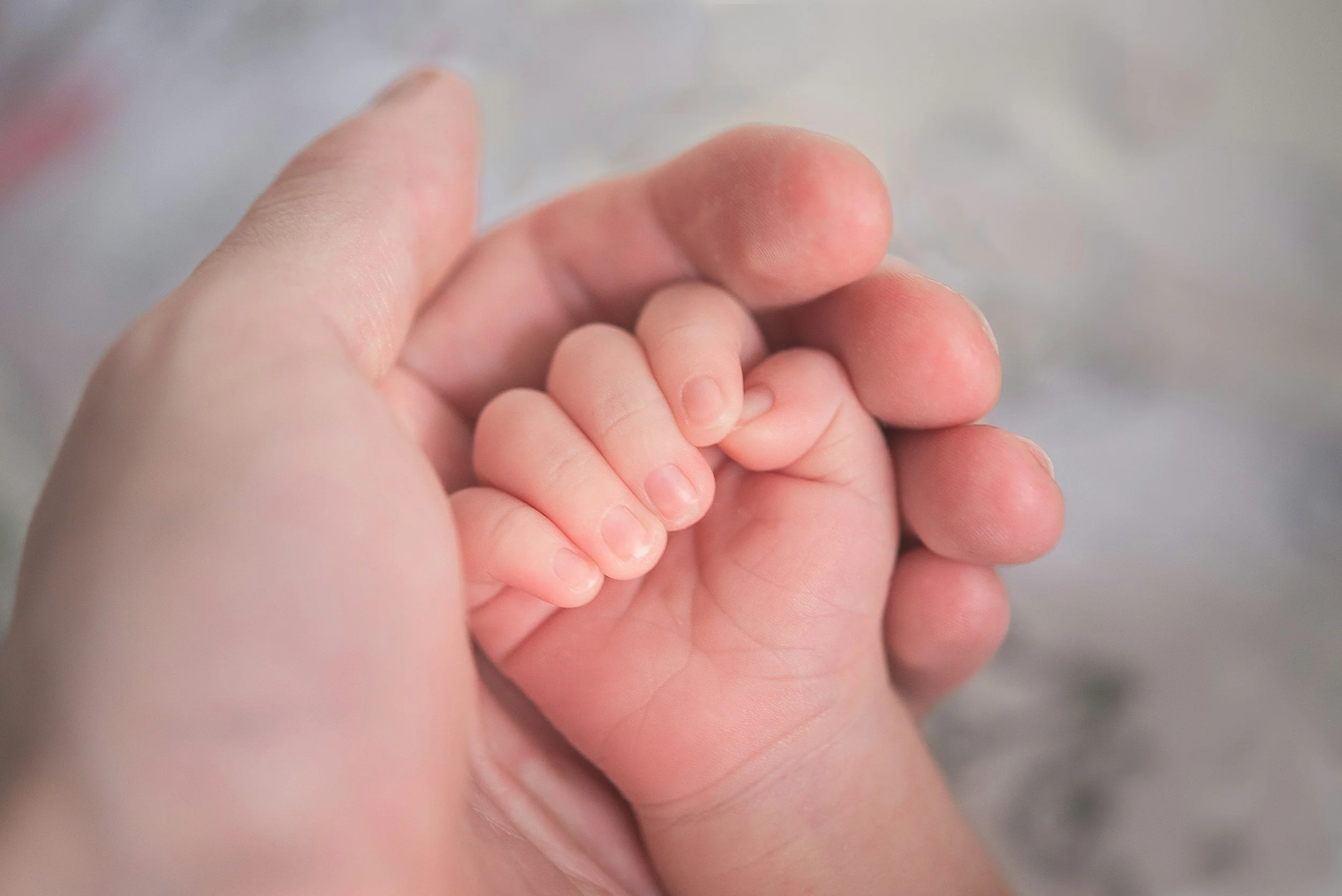
Birth to 12 Months
During the first year of life, babies begin learning how to reach for, grasp, and explore objects.
Typical skills include:
Bringing hands to mouth
Reaching for toys
Holding and shaking rattles
Transferring objects from one hand to the other
Using a pincer grasp (thumb and index finger) to pick up small items
Fun activities:
Tummy time
Grasping toys
Sensory exploration
Finger foods (when developmentally appropriate)
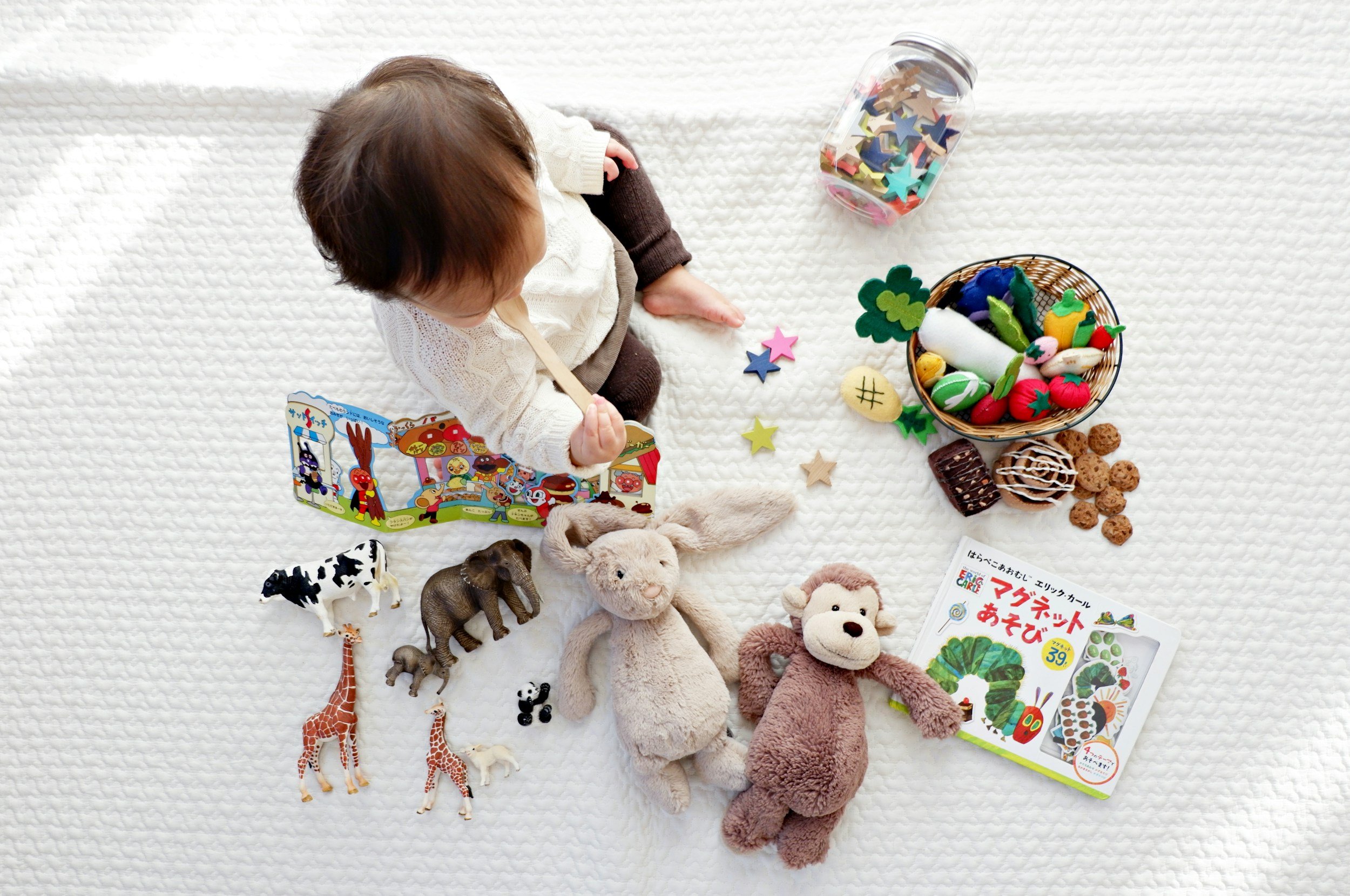
1-2 Years
Toddlers become increasingly independent and curious about their environment.
Typical skills include:
Stacking 2-6 blocks
Scribbling with crayons
Turning pages in a board book
Using a spoon with assistance
Placing shapes into sorters
Beginning to remove simple clothing items
Fun activities:
Large crayons
Building blocks
Shape sorters
Simple puzzles
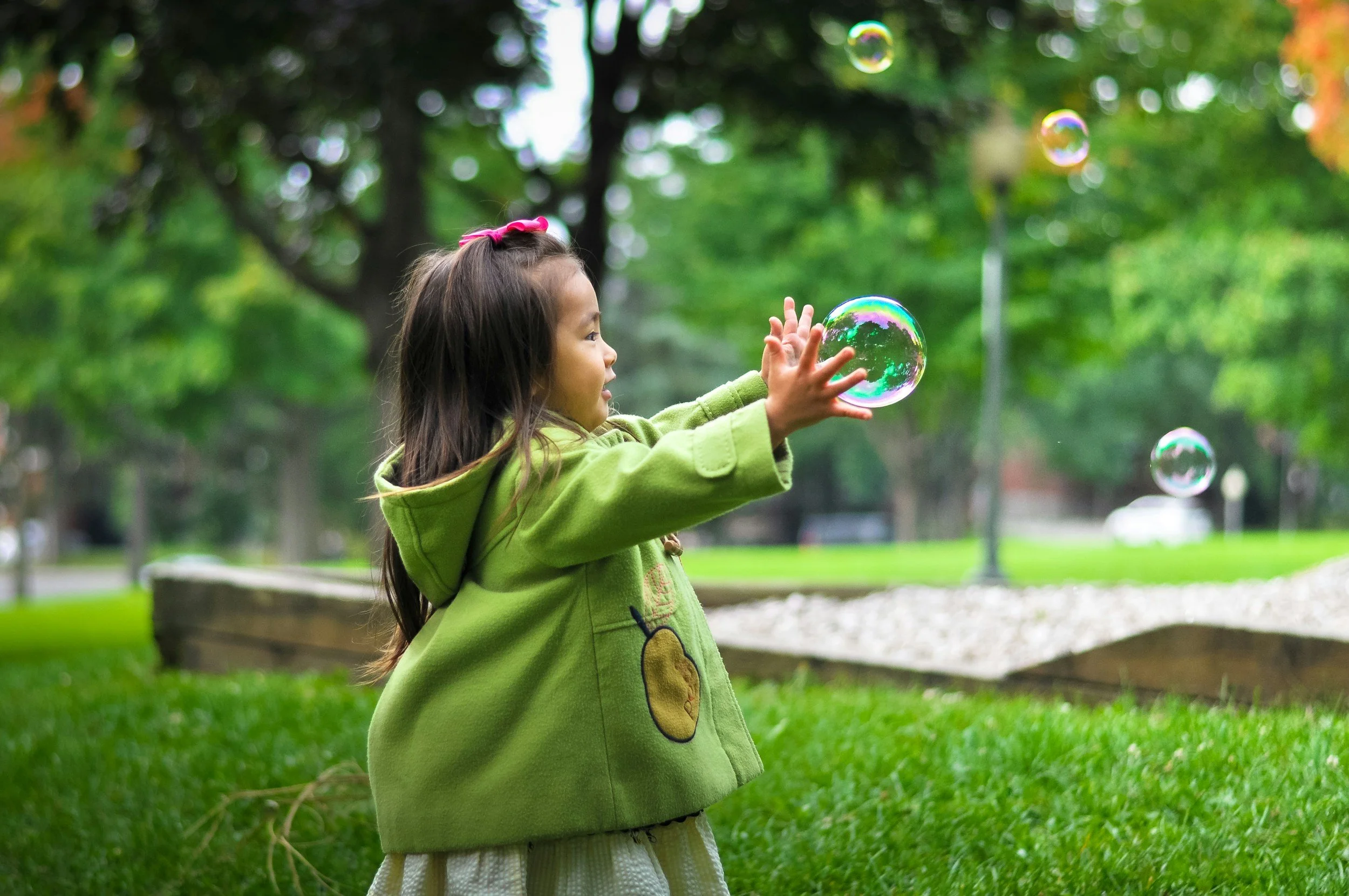
2-3 Years
Fine motor control continues to improve as children gain greater precision.
Typical skills include:
Turning pages one at a time
Stringing large beads
Snipping paper with child-safe scissors
Drawing vertical and horizontal lines
Opening containers
Using utensils with greater independence
Fun activities:
Play-Doh
Bead stringing
Sticker activities
Tongs and scooping games

3-4 Years
Children begin refining hand strength and coordination.
Typical skills include:
Drawing circles
Copying simple shapes
Using scissors with increased control
Building more complex block structures
Manipulating buttons and zippers with assistance
Holding a crayon with a more mature grasp
Fun activities:
Cutting crafts
Lacing cards
Pegboards
Building with small blocks

4-5 Years
Preschoolers develop the skills needed for kindergarten readiness.
Typical skills include:
Drawing squares and simple people
Cutting along lines
Writing some letters
Coloring within boundaries
Managing simple fasteners independently
Fun activities:
Mazes
Tracing
Coloring
Construction toys
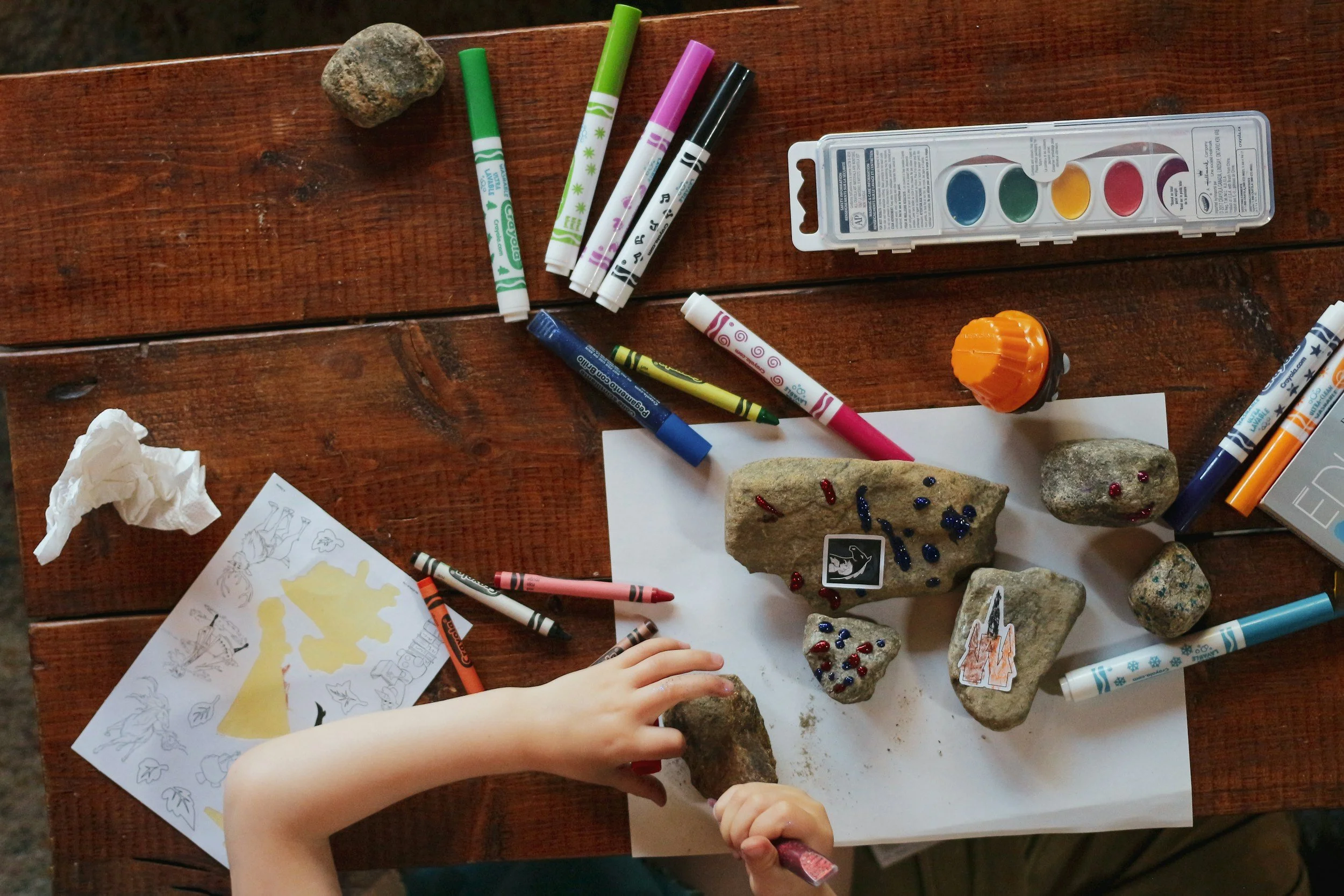
5-6 Years
Children continue building the precision required for school tasks.
Typical skills include:
Writing their first name
Copying basic shapes and letters
Cutting out simple shapes
Tying beginning knots
Using classroom tools effectively
Completing self-care tasks with greater independence
Fun activities:
Crafts
Lego building
Beginner origami

6–7 Years
As children enter elementary school, they continue refining precision, coordination, and endurance for classroom tasks. Fine motor skills become more automatic, allowing children to focus less on how they are doing a task and more on what they are learning.
Typical skills include:
Writing upper- and lowercase letters with improved size and spacing
Writing simple sentences legibly
Coloring neatly within the lines
Cutting out more detailed shapes with accuracy
Tying shoes independently
Completing buttons, snaps, and zippers independently
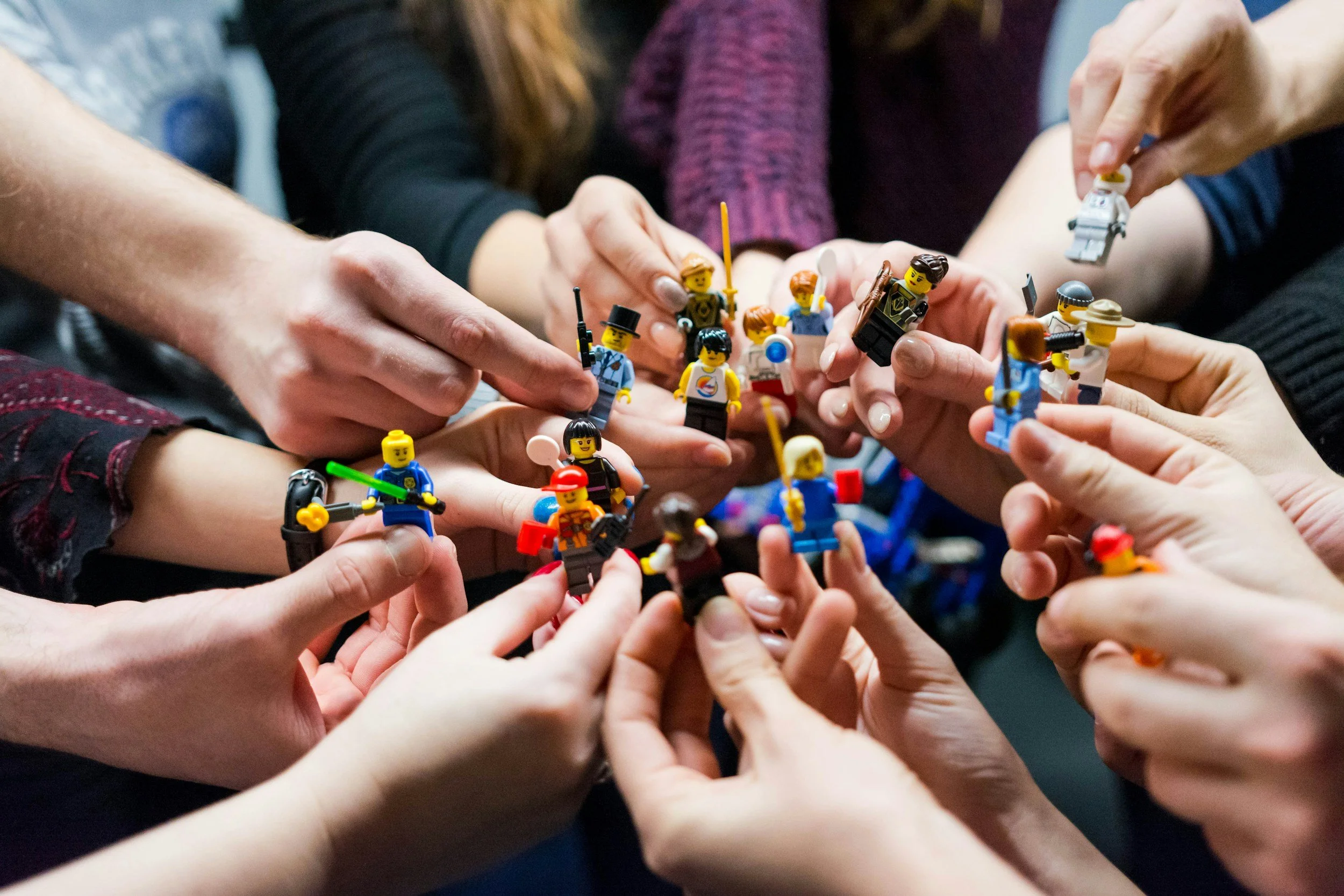
Beginning to manipulate small construction toys (e.g., LEGO® sets) with ease
Fun activities:
LEGO® building challenges
Dot-to-dot puzzles
Origami
Playing card games that involve shuffling and dealing
7–8 Years
By this age, children are expected to demonstrate increased hand strength, dexterity, and coordination for more complex academic and daily living tasks. They also begin developing speed and endurance for longer periods of writing.
Typical skills include:
Writing multiple sentences with consistent letter formation and spacing
Copying paragraphs from a board or book accurately
Using scissors to cut complex shapes and simple patterns
Tying shoes quickly and independently
Managing all clothing fasteners without assistance
Using a keyboard and computer mouse with increasing efficiency
Drawing pictures with greater detail and control
Completing crafts and projects requiring multiple fine motor steps
Fun activities:
Friendship bracelet making
Model building kits
Advanced coloring or drawing projects
Puzzle assembly
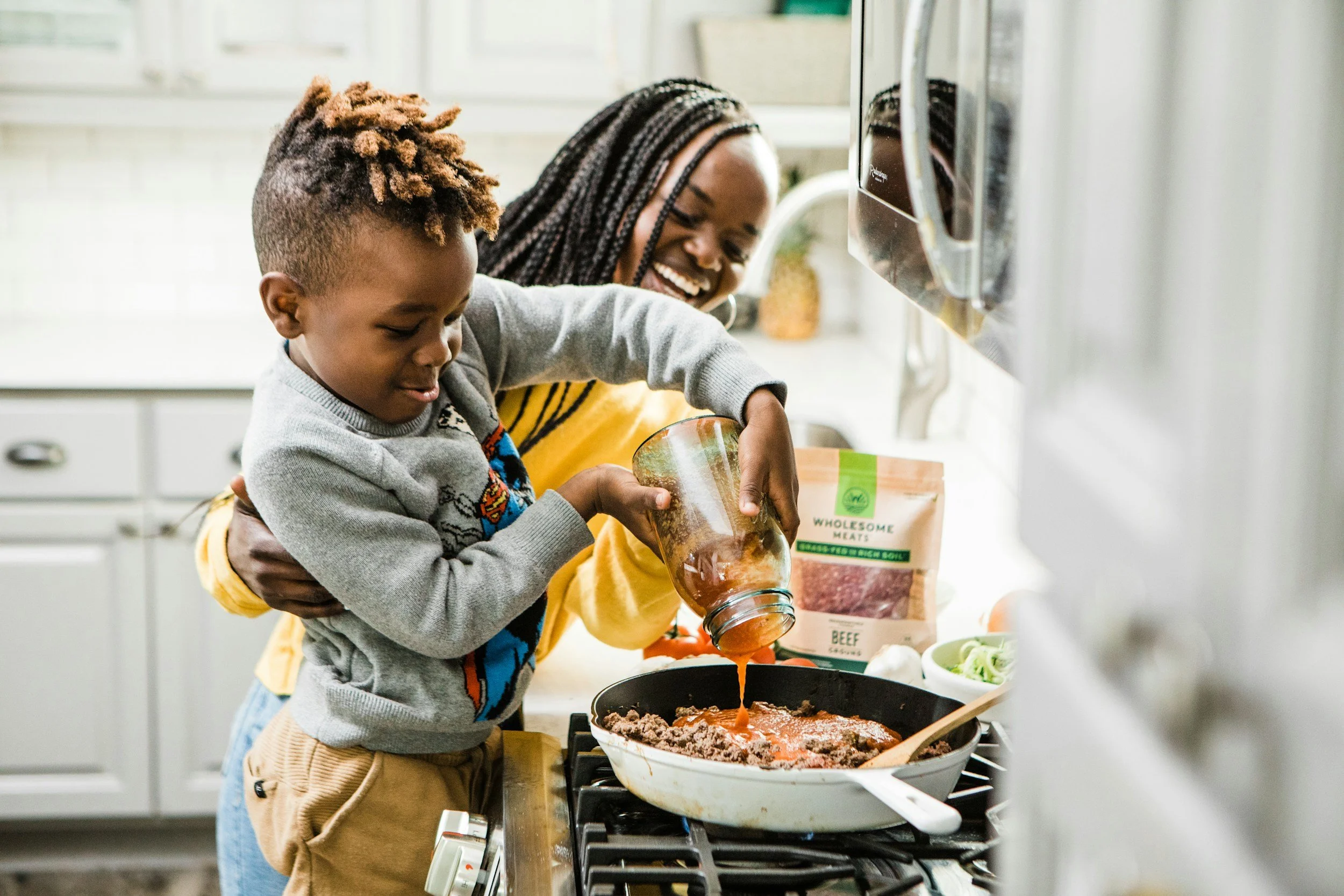
Cooking tasks such as measuring, stirring, and peeling soft fruits or vegetables with supervision
A quick reminder: Every child develops at their own pace. These milestones are intended to serve as general guidelines, not rigid expectations. If your child is consistently struggling with everyday tasks involving hand skills, an occupational therapy evaluation can help determine whether additional support would be beneficial.