
Ability Innovations
Articles and Blogs
Free Resources
Our team of highly trained professionals has crafted many articles and blog posts that cover topics related to pediatric speech, occupational, feeding, physical therapies, and other interesting topics for families. These articles and blogs offer activities, information, and ideas on how you can best help your kiddo overcome their challenges and take flight.
Find The Right Information For You
Recent Blogs

Primitive reflexes are automatic, involuntary movement patterns that originate in the brainstem and develop during pregnancy. They are present at birth (and some emerge before birth) to help babies survive, develop, and interact with their environment. These reflexes are essential building blocks for neurological development and lay the foundation for movement, learning, emotional regulation, and sensory processing.

Caregivers are the heroes with ARFID. They never stop thinking about or worrying about feeding their children. They celebrate when they eat. Cry when they don’t. Never stop worrying that this didn’t have to be so hard. They worry about what if a safe food disappears or if a favorite brand changes. They worry about the future of their kiddos. Of their health, independence and quality of life.

There is a lot of anxiety around food with someone with ARFID but sometimes it isn’t the result of just anxiety. It can be the result of Fear, Anxiety, Sensory Distress, Disgust, Uncertainty and Avoidance.

As parents, we all want our children to grow, learn, and participate confidently in the activities that make up their day. When challenges arise, it can be difficult to know whether your child needs therapy or if they will simply "grow out of it."
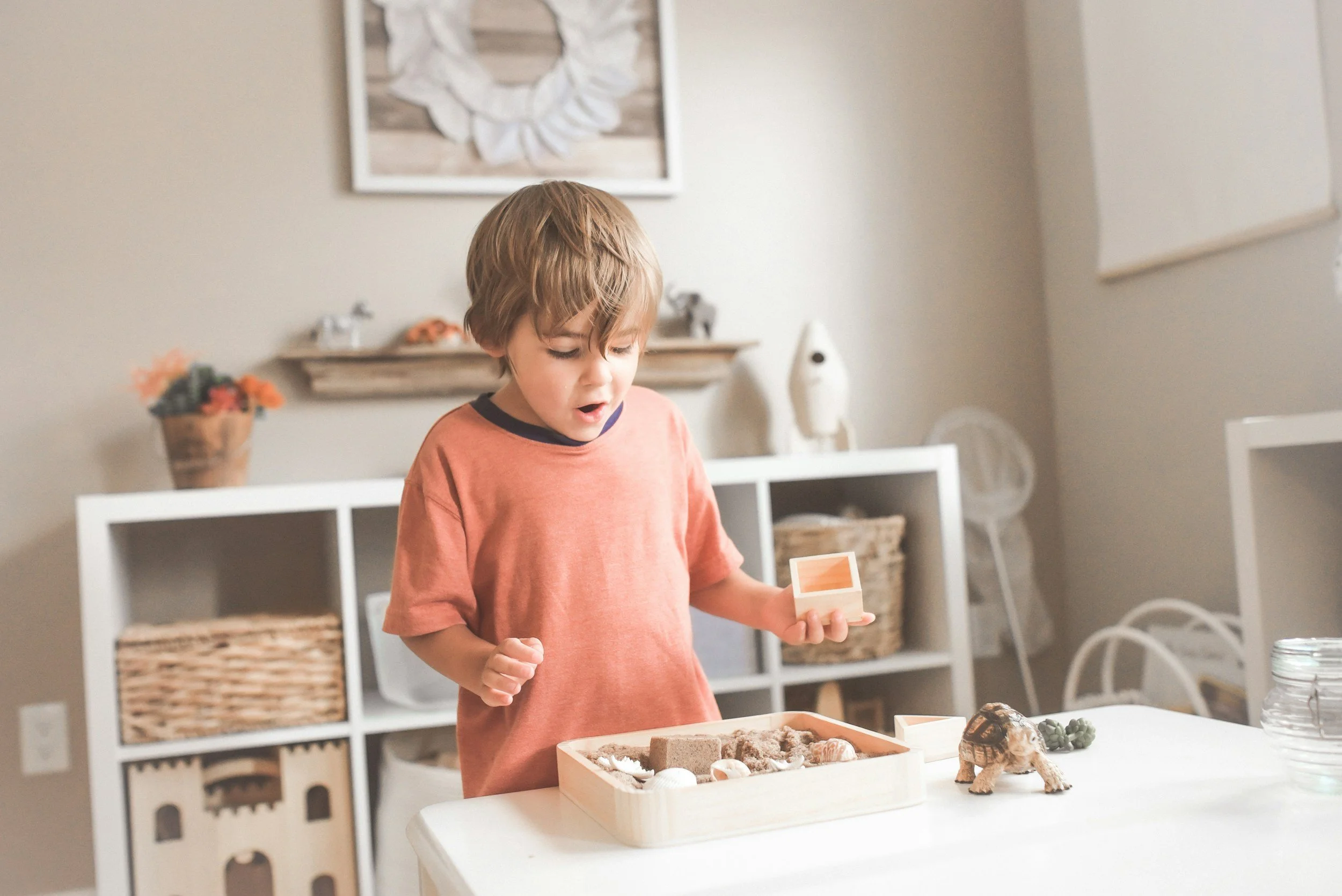
Every child is different and develops at their own pace, but here are some important language milestones to look out for. From babbling to your child putting together short sentences, each stage serves a role in your child’s language skills and development.

As occupational therapists, we understand that sleep is not simply a period of rest—it is an essential occupation that supports a child’s development, learning, emotional regulation, sensory processing, and participation in daily life. When children do not get enough sleep, the effects are often felt throughout the entire family. A poor night of sleep can impact attention, behavior, mood, and overall functioning for both children and caregivers.
When children are running low on sleep, they may appear hyperactive, irritable, anxious, inattentive, or emotionally dysregulated. Improving sleep can often lead to improvements in many areas of daily functioning.
Many sleep difficulties can be improved through consistent sleep hygiene practices. Sleep hygiene refers to habits, routines, and environmental factors that support healthy, restorative sleep. Below are evidence-informed strategies that parents can use to help their children develop healthier sleep patterns.
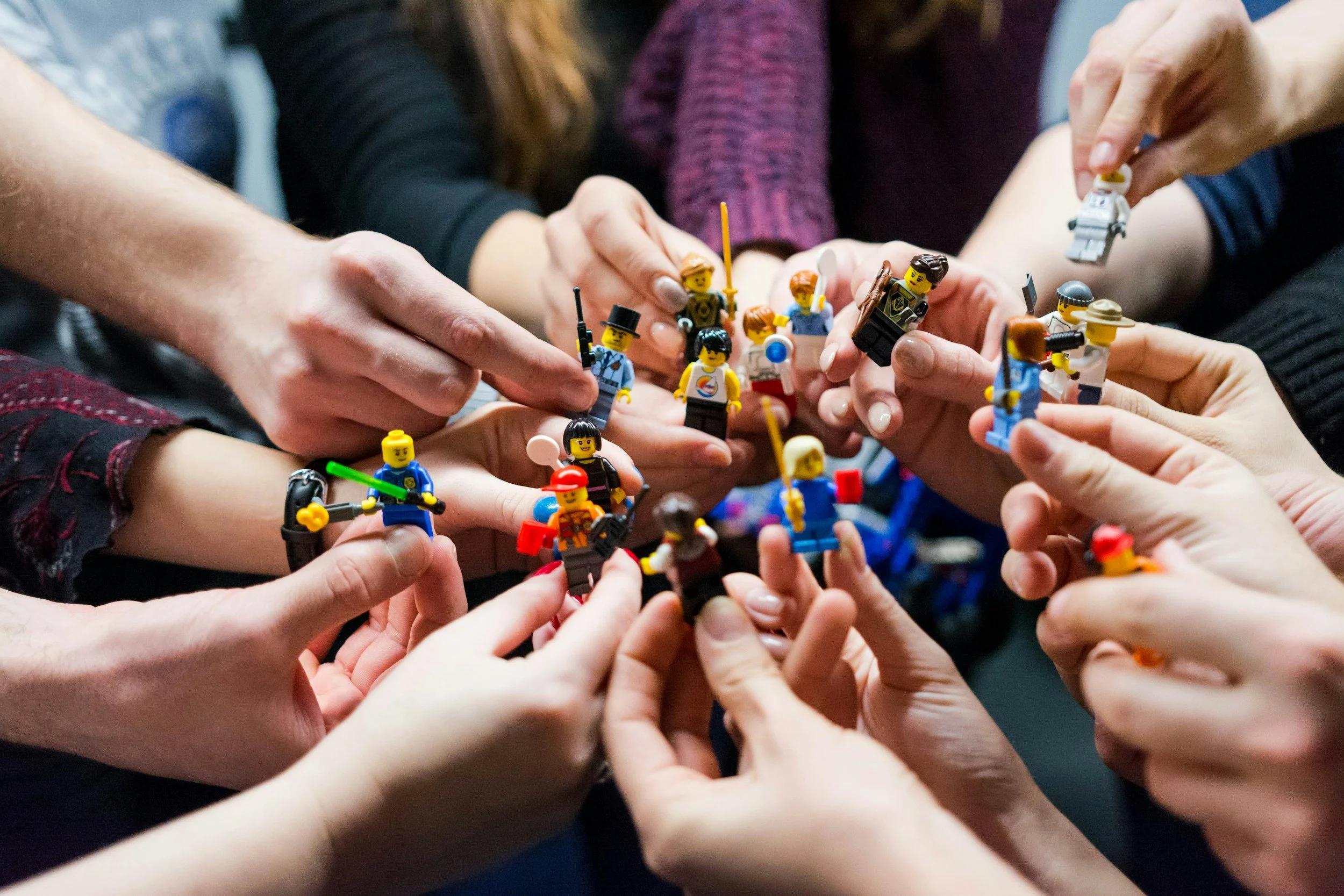
Fine motor skills involve the small muscles of the hands and fingers that allow children to complete everyday tasks such as feeding themselves, getting dressed, coloring, writing, and manipulating toys. These skills develop gradually throughout childhood and play a significant role in a child's independence, confidence, and success at school. In therapy, I often remind parents that children don't build hand strength by completing handwriting worksheets alone. They build it through play—climbing, digging in sensory bins, building with blocks, and manipulating toys. Those playful experiences lay the foundation for later handwriting and self-care skills.
As a speech-language pathologist (SLP), one of the many areas we assess and treat is language development. Language is made up of two important parts: receptive language and expressive language.
Receptive language is a child's ability to understand the words and language they hear. This includes understanding vocabulary, following directions, answering questions, and making sense of stories and conversations.
If you've ever taken away your child's tablet only to be met with tears, yelling, or a full-blown meltdown, you're definitely not alone. One of the most common concerns I hear from parents is, "Why is it so hard to transition away from playing with their tablet?"
While screens have become a normal part of everyday life, research continues to show that excessive screen time can affect a child's behavior, emotional regulation, attention, sleep, and overall development. The goal isn't to make parents feel guilty or say that screens are "bad." Technology has many benefits when used intentionally. Instead, it's about understanding how screens affect a developing brain and finding a healthy balance.
When most people think about speech therapy, they picture children practicing sounds, repeating words, and working to improve their speech production. While these activities are certainly important, an often-overlooked part of speech sound intervention involves something much simpler: listening.
Children learn speech sounds by hearing them. Long before they can accurately produce a sound, they must first develop an understanding of what that sound is supposed to sound like. For many children with speech sound disorders, this process requires more exposure and more focused listening opportunities than it does for their peers. One evidence-based technique that supports this learning process is auditory bombardment.
If your child has difficulty navigating community environments, such as their school, playground, the grocery store, or any other, first things first, you are not alone. According to the World Health Organization, nearly 2.5 billion people worldwide use assistive technologies to help participate in day-to-day activities and approximately 240 million are children. As Physical Therapists, our goal is to help make mobility as independent as possible with the right tools for that specific child. This may include the addition of an item that is commonly referred to as adaptive equipment. Adaptive equipment help assist with independent mobility. The adaptive equipment that Physical Therapists see the most are with standers, gait trainers, posterior walkers, wheelchairs, and adaptive bikes. Listed below are more details about these specific devices and whether your child will benefit from them.
Sensory bins are one of the most effective—and fun—tools you can use at home to support your child’s development. As an occupational therapist, I often recommend sensory bins because they provide meaningful opportunities for children to explore, learn, and regulate their bodies through play. Whether your child is a toddler or early elementary age, sensory bins can be easily adapted to meet their individual needs while supporting skills that carry over into everyday routines.
Sippy cups are often marketed as the norm to transition from bottle drinking. They can be convenient and offer a quick transition; however, they are not beneficial for overall development and maturation of oral motor skills. Although sippy cup use is not going to be detrimental to a child’s development, feeding therapists and oral motor specialists recommend straw or open cups as the most beneficial options to support a child’s long-term growth.
Is It a "Phase" or a "Fight"? Decoding Your Child’s Mealtime Battles
Is your child just being a typical toddler, or is their body actually telling them that food is "dangerous"?
Understanding the difference between picky eating and a feeding aversion (what we call "problem feeding") is the first step. It shifts the narrative from "Why won't they just listen?" to "How can I help their body feel safe?"
Many children struggle with learning new motor skills, but for some, these challenges go beyond typical developmental differences. Developmental Coordination Disorder (DCD) is a neurodevelopmental condition that affects a child's ability to plan, coordinate, and execute motor movements. These difficulties can impact participation in everyday activities at home, school, and in the community.
Fortunately, pediatric physical therapy can play a significant role in helping children with DCD improve coordination, build confidence, and develop the skills needed for successful participation in daily life.
If you’ve ever sat in the waiting room of a pediatric therapy clinic, looking through the window as a therapist
rolls around on a crash pad or builds a tower of blocks with your child, a voice in the back of your head might
have asked:
“Are they actually working on goals right now... or are they just playing?”
It’s a question pediatric therapists hear all the time. When therapy looks exactly like a standard playdate, it can
be hard to see the deeper, clinical value.
On the latest episode of the Therapy Unmasked podcast, host Nick Sidwell, owner of Ability Innovations,
demystified their core philosophy: Progress Through Play. Here is a breakdown of the fascinating science
behind why authentic, child-led play is the absolute fastest way to unlock your child's developmental
milestones.