

Auditory Bombardment: Why Listening Is One of the Most Powerful Tools in Speech Therapy
Jessica Franz, CCC-SLP
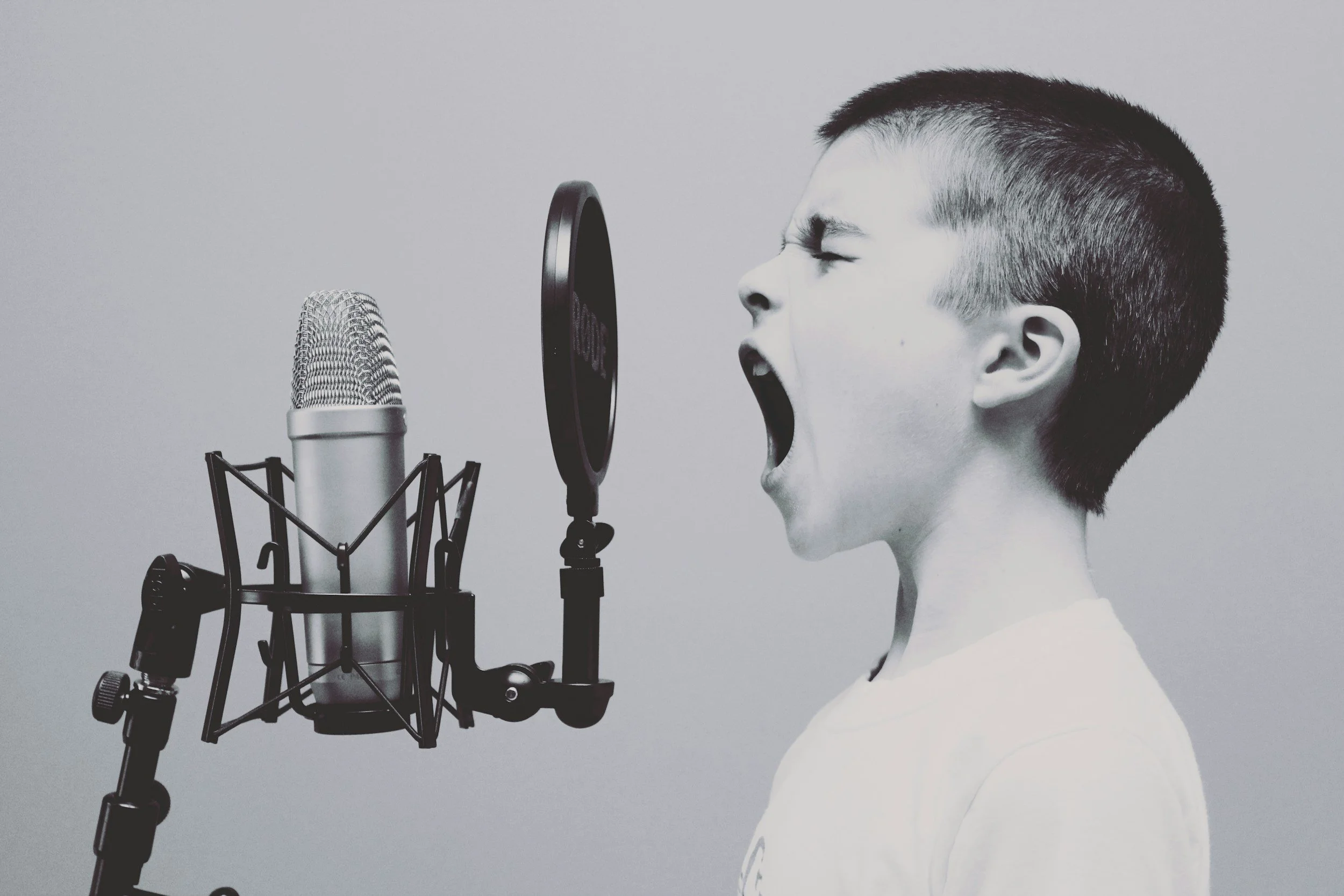
When most people think about speech therapy, they picture children practicing sounds, repeating words, and working to improve their speech production. While these activities are certainly important, an often-overlooked part of speech sound intervention involves something much simpler: listening.
Children learn speech sounds by hearing them. Long before they can accurately produce a sound, they must first develop an understanding of what that sound is supposed to sound like. For many children with speech sound disorders, this process requires more exposure and more focused listening opportunities than it does for their peers. One evidence-based technique that supports this learning process is auditory bombardment.
Auditory bombardment is a common component of speech sound therapy and is used to increase a child's awareness of a target sound by providing repeated exposure to accurate productions. Although it may seem simple, this listening-based activity can play an important role in helping children develop clearer, more accurate speech.
What Is Auditory Bombardment?
Auditory bombardment is a listening activity in which a child hears many examples of a target speech sound in a short period of time. For example, if a child is working on the /s/ sound, they might listen to words such as: "sun, sock, sandwich, soap, silly, seal, sister, soup..."
The focus is not necessarily on having the child repeat the words. Instead, the goal is to provide repeated opportunities to hear the target sound produced accurately.
Think about how children learn songs. Most children can sing parts of a favorite song after hearing it many times, even if no one specifically taught them the lyrics. Repeated exposure helps the brain recognize patterns, and speech sounds are no different.Before children can consistently produce a sound correctly, they need a clear and stable representation of that sound in their minds.

Why Listening Comes Before Talking
Speech sound development involves much more than moving the lips and tongue correctly. Children must also learn to recognize and differentiate speech sounds as they hear them. For children with speech sound disorders, this process can be challenging. They may have difficulty noticing the difference between correct and incorrect productions, identifying sound patterns within words, or recognizing when a sound has changed the meaning of a word.
Auditory bombardment helps strengthen a child's awareness of the target sound by increasing the number of times they hear it produced correctly. The more frequently a child hears a sound, the more familiar it becomes. Over time, that familiarity can support improved recognition, self-monitoring, and ultimately more accurate speech production.
What Does Auditory Bombardment Look Like in Therapy?
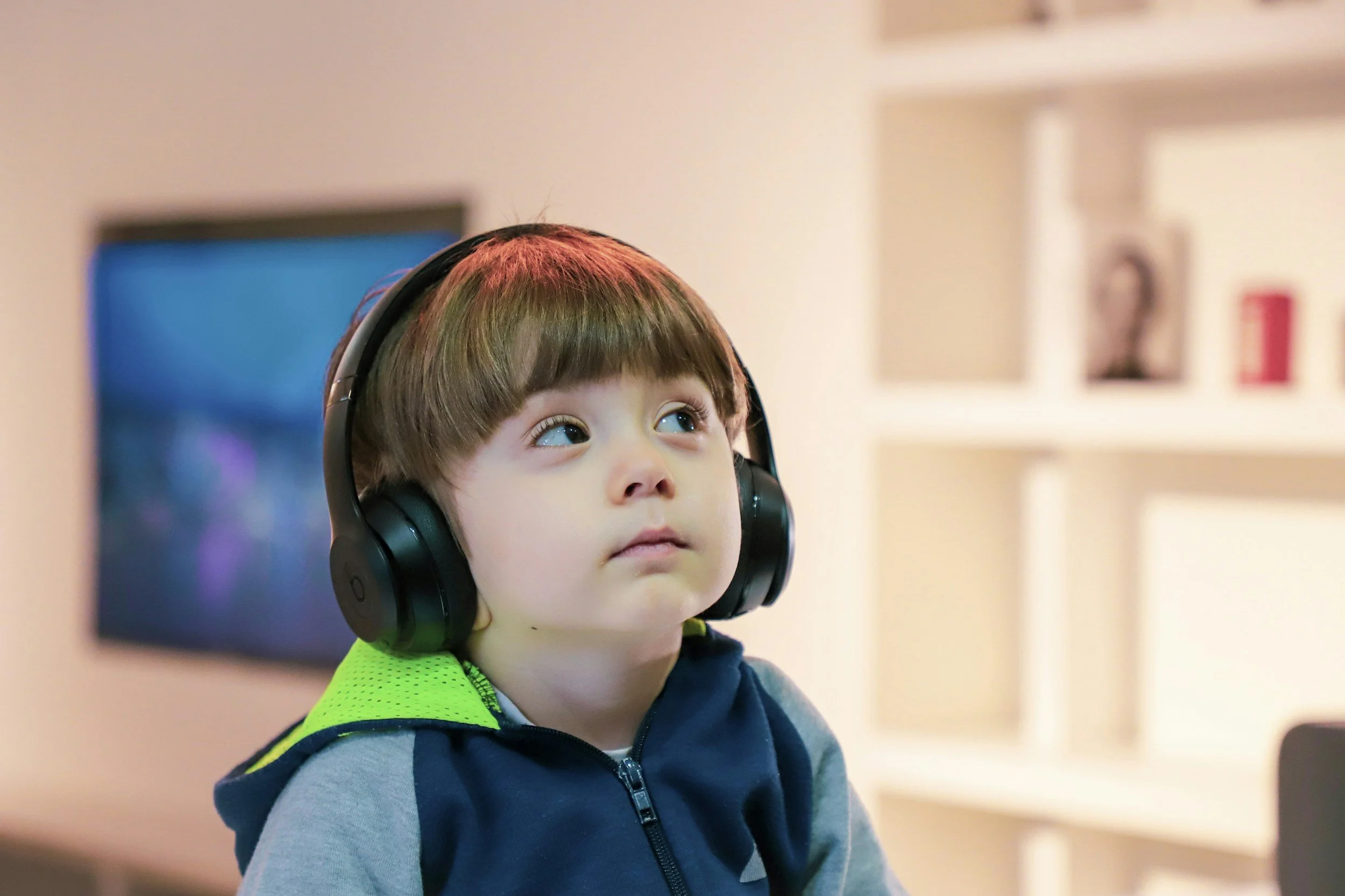
During auditory bombardment, a speech-language pathologist may read a list of carefully selected words that contain the target sound. The child may listen while looking at pictures, coloring, playing, or participating in another low-demand activity. The activity itself is intentionally simple. The goal is not to test the child or place demands on their speech. Instead, the focus is on providing concentrated exposure to the target sound in a way that is clear, consistent, and meaningful.
Many speech therapy approaches incorporate auditory bombardment both before and after active speech practice. Listening to accurate models can help prepare children for speech production tasks and reinforce learning after practice has occurred.

Why Some Children Benefit From Auditory Bombardment
Not all speech sound disorders look the same. Some children have difficulty producing individual sounds, while others have trouble organizing and using sound patterns correctly across words. Regardless of the type of speech sound disorder, children often benefit from increased opportunities to hear accurate speech models. Auditory bombardment supports this process by highlighting the target sound and making it more noticeable within spoken language. As children become more aware of the sound, they are often better able to recognize it, monitor their own productions, and apply new speech skills outside of therapy sessions.

How Parents Can Support Auditory Bombardment at Home
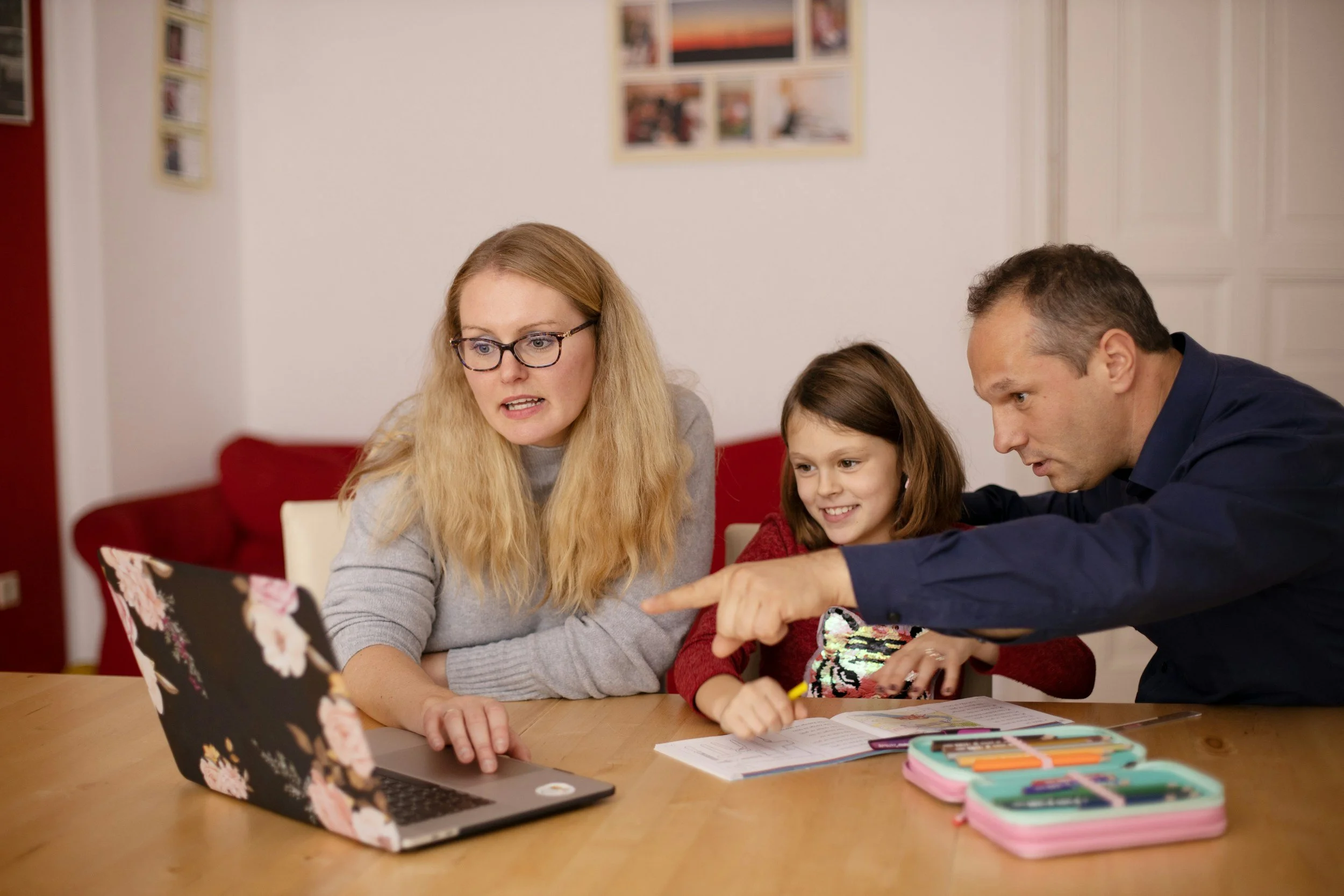
One of the greatest strengths of auditory bombardment is that it can be incorporated naturally into everyday routines. Parents do not need specialized materials or lengthy practice sessions. Simply emphasizing target words during daily activities can provide valuable listening opportunities. For a child working on the /k/ sound, a parent might naturally model words such as: "cookie, cracker, cup, carrot, kitchen." For a child working on the /s/ sound, target words might come up during book reading, playtime, or conversations about daily activities. The focus should remain on providing clear models rather than requiring constant repetition from the child. Reducing performance pressure often allows children to focus more effectively on listening and learning.
Learning Is Happening Even When It Isn’t Visible!
One reason auditory bombardment can be misunderstood is that progress is not always immediately observable. Unlike speech practice activities, there may be no spoken response from the child. However, listening is an active part of the learning process. Children often need repeated exposure to a target sound before they are ready to use it consistently in their own speech. Just as language development begins with listening long before children say their first words, speech sound learning often begins with hearing sounds accurately and repeatedly.
These listening experiences help create the foundation upon which speech production skills are built.

The Takeaway
Speech sound therapy involves more than practicing sounds aloud. Effective intervention also includes helping children develop a strong awareness of the sounds they are learning. Auditory bombardment is a simple but powerful technique that provides repeated exposure to accurate speech models, helping children build familiarity with target sounds and strengthen the skills needed for successful speech production.
Although it may appear passive on the surface, focused listening is an important part of the learning process. By hearing target sounds consistently and accurately, children gain the foundation they need to recognize, produce, and eventually use those sounds with greater confidence in everyday communication.