

Is Too Much Screen Time Affecting Your Child's Behavior?
Emily Hartney, MOT, OTR/L
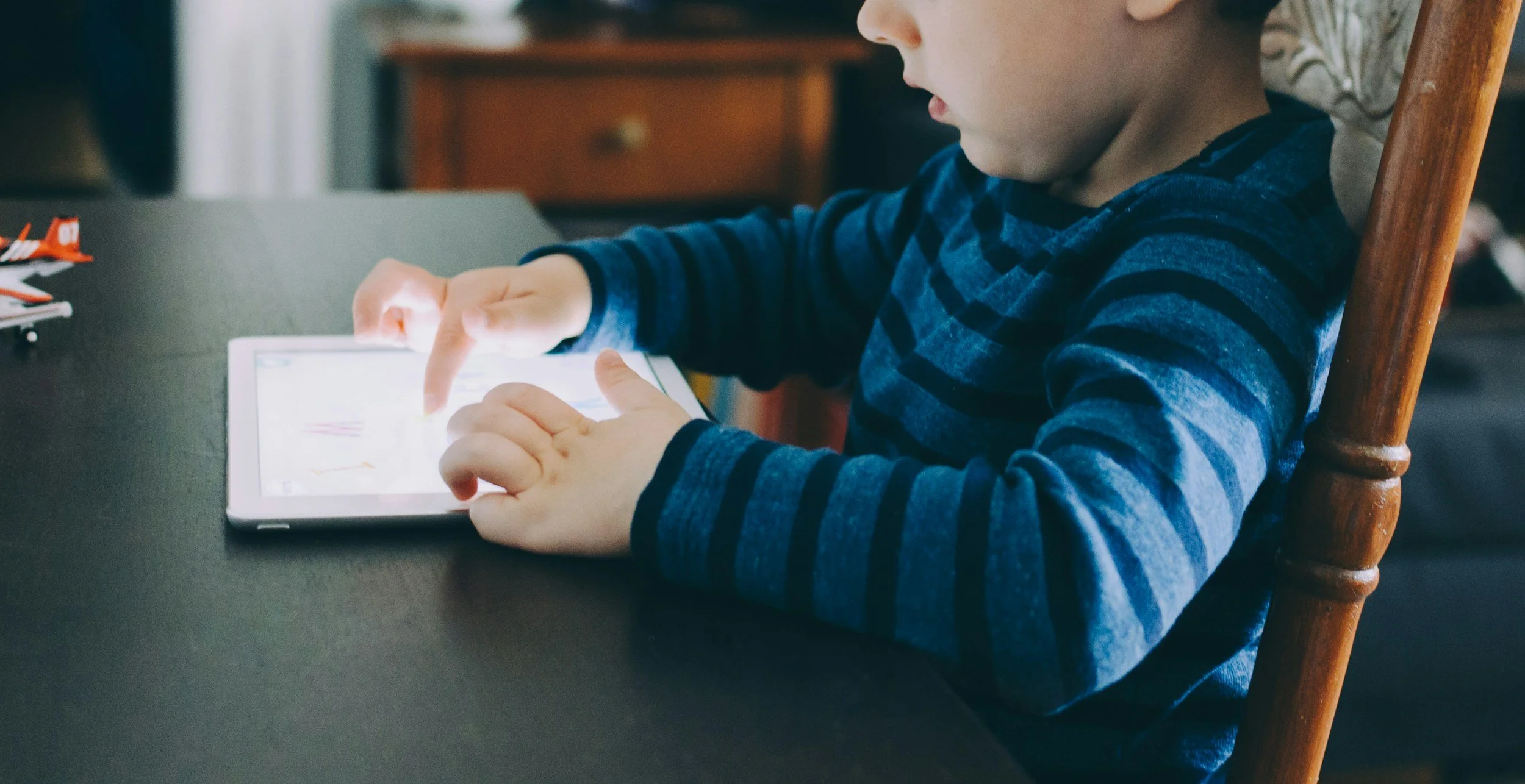
If you've ever taken away your child's tablet only to be met with tears, yelling, or a full-blown meltdown, you're definitely not alone. One of the most common concerns I hear from parents is, "Why is it so hard to transition away from playing with their tablet?"
While screens have become a normal part of everyday life, research continues to show that excessive screen time can affect a child's behavior, emotional regulation, attention, sleep, and overall development. The goal isn't to make parents feel guilty or say that screens are "bad." Technology has many benefits when used intentionally. Instead, it's about understanding how screens affect a developing brain and finding a healthy balance.
Why Are Screens So Hard To Turn Off?
Think about what your child experiences while watching videos or playing games. Bright colors, fast-moving images, exciting sounds, instant rewards, and constant stimulation all keep the brain highly engaged. Compared to everyday activities like getting dressed, doing homework, or even playing with toys, screens provide much more immediate entertainment.
When it's time to turn the device off, that sudden shift can be difficult for many children. Some may become frustrated, emotional, or struggle to transition because their brain is moving from a highly stimulating activity to one that requires more effort, patience, and self-control.
Children who already have challenges with attention, sensory processing, ADHD, anxiety, or emotional regulation may have an even harder time making that transition.

What Does The Research Say?
Research has found that excessive screen time is associated with difficulties in several areas of development, including:
● Emotional regulation
● Attention and focus
● Language development
● Executive functioning
● Sleep quality
● Social interaction
● Physical activity

When children spend large amounts of time on screens, they're often spending less time doing the things their brains need most, such as moving their bodies, exploring their environment, engaging in imaginative play, interacting with others, and practicing everyday life skills.
Studies have also shown that frequent screen use before bedtime can interfere with sleep. And when kids aren't sleeping well, we often see more emotional outbursts, irritability, impulsive behaviors, and difficulty focusing during the day.
Why Does This Matter?
Children learn through doing.
Every time they build with blocks, climb on a playground, play a board game, help make dinner, or have a conversation with a parent, they're developing important skills that support independence and emotional regulation.
These everyday activities help build:
● Problem-solving skills
● Frustration tolerance
● Emotional awareness
● Communication
● Motor coordination
● Social skills
● Executive functioning

Screens can't fully replace these experiences. While educational apps and programs can certainly be beneficial, they shouldn't take the place of real-world play and interaction.
How Occupational Therapy Can Help
Occupational therapy isn't about simply taking screens away. Instead, we work to understand why a child may be relying on screens and help families build healthy routines that support development.
Many children use screens because they're easy, predictable, and highly engaging. For some children, screens become a way to cope when they're overwhelmed, bored, or dysregulated.
Occupational therapy helps children develop the skills needed to regulate their bodies and emotions without depending solely on a device.
Depending on your child's needs, therapy may focus on:
● Building emotional regulation skills
● Improving attention and executive functioning
● Supporting sensory processing
● Increasing frustration tolerance
● Practicing smoother transitions between activities
● Developing healthy daily routines
● Coaching parents on strategies that work at home
Our primary aim is to motivate children to try out other stimulating activities that can be equally or more engaging than using a tablet.

Finding Balance
Screens don't have to disappear completely. Like many things, moderation is key.
Some simple ways to create healthier screen habits include:
● Keeping meals screen-free.
● Turning off screens at least an hour before bedtime.
● Encouraging outdoor play every day.
● Creating predictable routines around when screens are available.
● Using visual timers or visual schedules to help with transitions.
● Finding activities your child genuinely enjoys outside of screens.
The more opportunities children have to move, play, create, problem-solve, and connect with others, the more they're strengthening the skills they need for lifelong success.

Final Thoughts
If your child struggles with meltdowns after screen time, has difficulty transitioning away from devices, or seems to rely on screens to stay regulated, you're not alone. These behaviors don't necessarily mean you've done anything wrong; they may simply be a sign that your child needs more support in developing self-regulation skills.
Occupational therapists look beyond the behavior to understand what's driving it. Together, we can help children build healthy routines, strengthen emotional regulation, and develop the skills they need to participate confidently in everyday life.
The goal isn't to eliminate technology; it's to create balance so children have plenty of opportunities to experience what they do best: move, play, explore, connect, and learn through real-life experiences.
References
Muppalla, S., Vuppalapati, S., Pulliahgaru, A. R., & Sreenivasulu, H. (2023). Effects of Excessive Screen Time on Child Development: An Updated Review and Strategies for Management. Cureus, 15(6), e40608. https://doi.org/10.7759/cureus.40608
Cross, J. (2026). What Does Too Much Screen Time Do to Children's Brains? NewYork-Presbyterian Health Matters.
Howard University. What Screens Are Actually Doing to Your Kid's Brain (Spoiler: It's Not Good). (Referenced for general educational information on brain development and screen use.)