
Haley Brock OTR/L
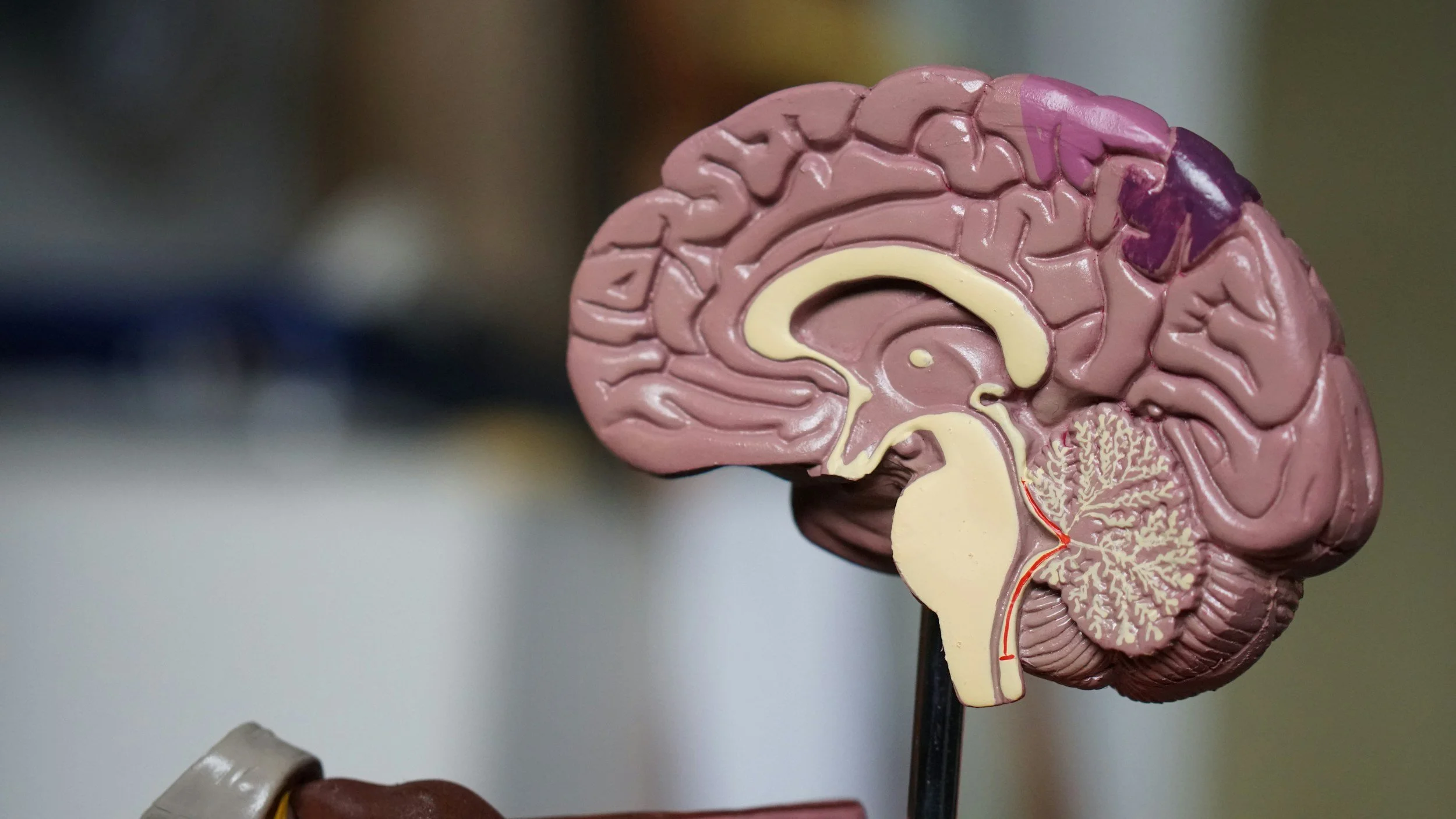
As occupational therapists, we frequently work with children who have neurological conditions that impact their ability to move, participate, and engage in daily activities. Diagnoses such as cerebral palsy, Down syndrome, and pediatric stroke can affect strength, coordination, motor planning, and body awareness. These challenges often extend beyond motor skills and influence a child’s confidence, emotional regulation, and participation at home and school. Occupational therapy plays a vital role in supporting these children by addressing functional movement within meaningful, real-life activities.
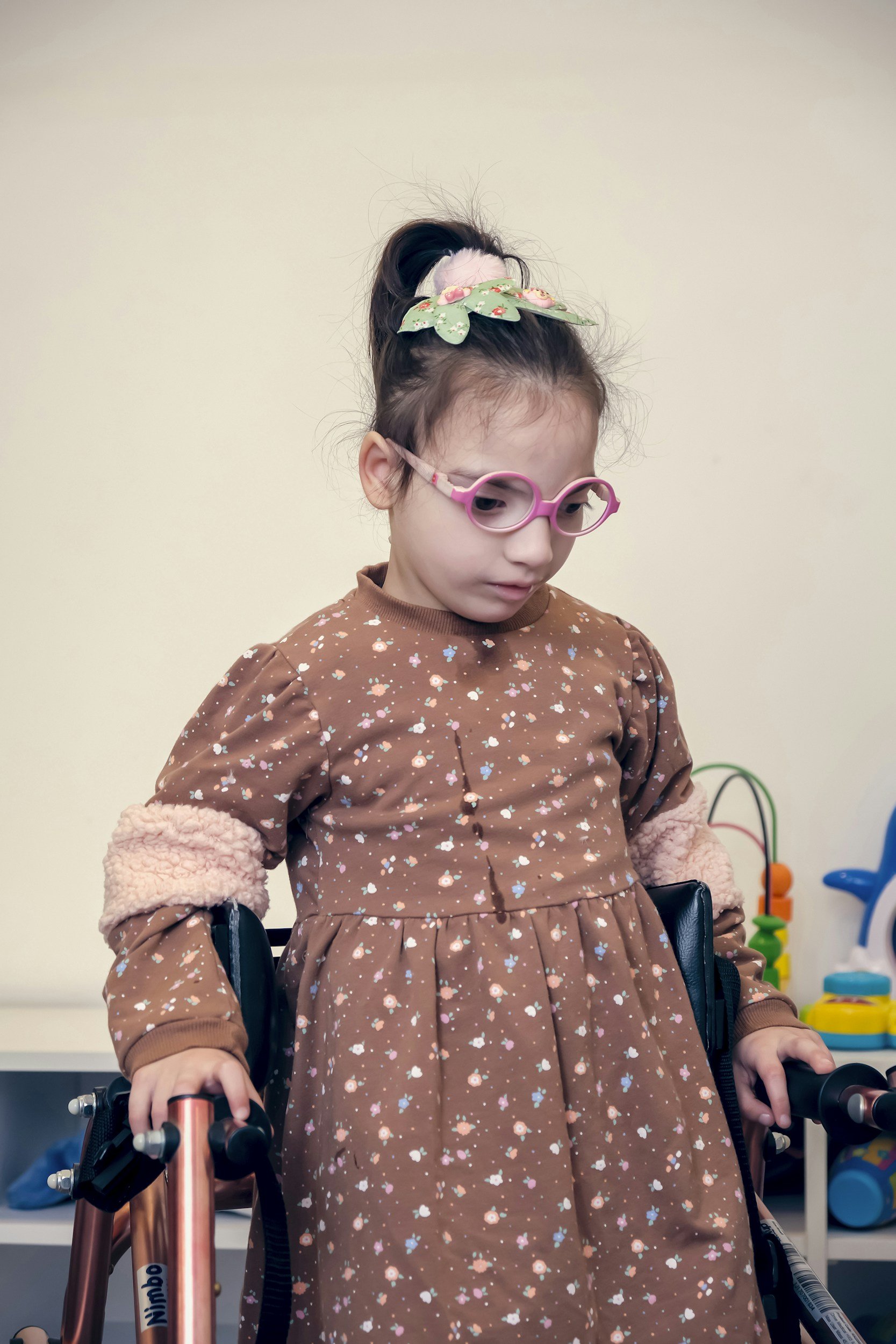
One intervention approach that has shown promising carryover into pediatric practice is LSVT-BIG. Although originally designed for adults with Parkinson’s disease, the principles of high-intensity, repetitive, and large-amplitude movement align well with what is known about neuroplasticity in children. From an occupational therapy perspective, emphasizing “big” movements can help children overcome reduced movement amplitude, bradykinesia, and poor motor output that are fairly common in many neurological conditions.

Incorporating LSVT-BIG principles into play-based, child-centered activities can support functional goals. Tasks such as reaching overhead during dressing, taking big steps during the hallway transitions, or using exaggerated arm movements during classroom routines allow children to practice increased movement amplitude in meaningful contexts. This approach supports improvements in posture, balance, and coordination while also reinforcing independence in activities of daily living (ADLs).
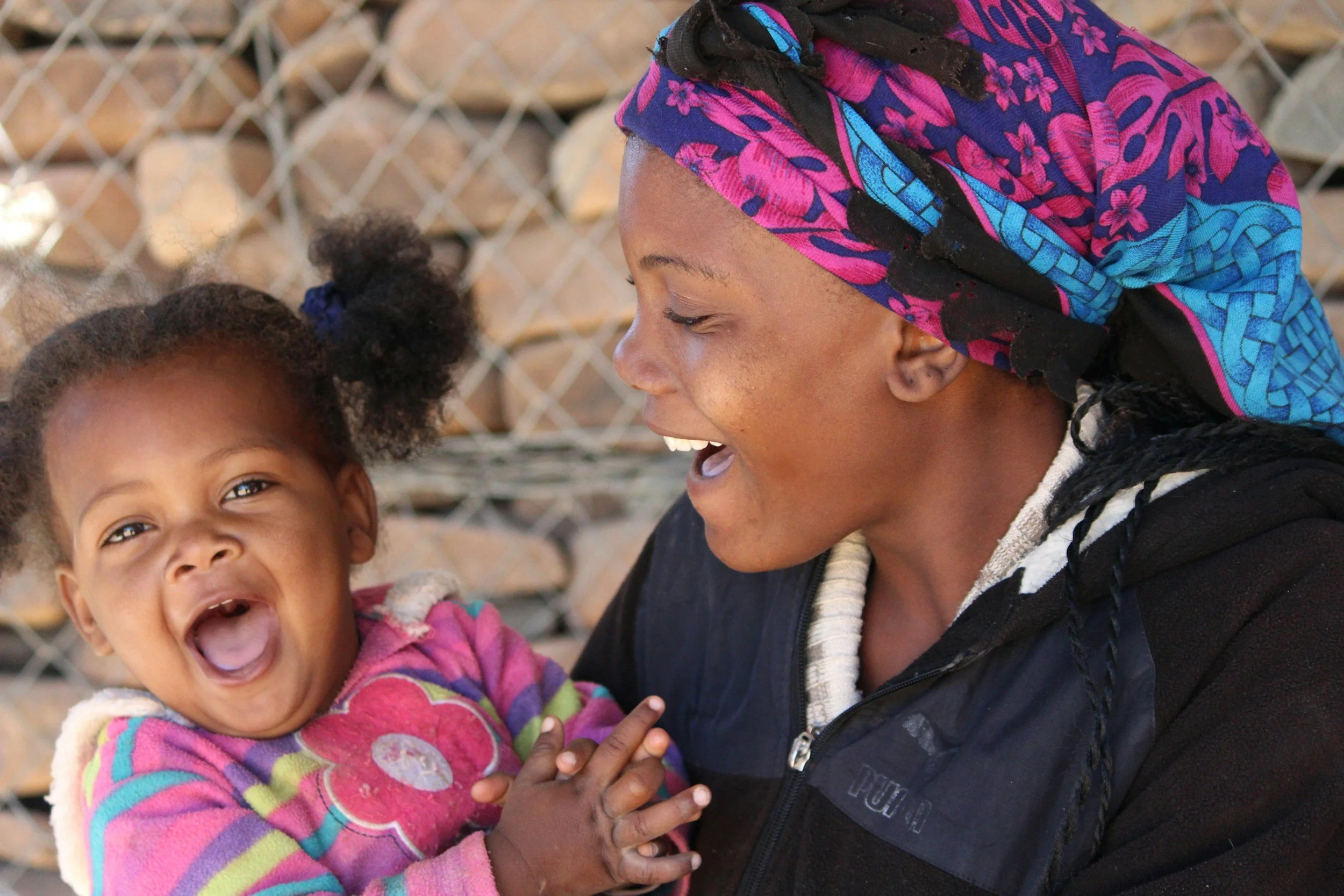
The impact of using LSVT-BIG strategies with children extends beyond physical gains. Many children demonstrate increased confidence, improved attention to tasks, and greater willingness to participate when they experience success with movement. Families and teachers often report that children move more efficiently, fatigue less quickly, and require fewer prompts during routines. These outcomes highlight the importance of translating therapeutic movement into real-world environments where children live, learn, and play.
Ultimately, as occupational therapists, our goal is to empower children with neurological conditions to reach their fullest potential. By adapting evidence-based approaches like LSVT-BIG to meet developmental needs, we can support lasting functional change. When therapy is intensive, purposeful, and embedded in meaningful occupations, children are better equipped to build skills, gain confidence, and participate confidently in everyday activities.