

Why Participation in Home Program Drives Better Carryover in Physical Therapy
Elizabeth Bakken PT DPT
In physical therapy, progress doesn’t happen only in the clinic. What patients do between visits often determines whether gains made during treatment translate into meaningful, lasting improvements in daily life. This process, known as carryover of skills, is strongly influenced by a patient’s participation in a home exercise program (HEP).
When patients actively engage in their home exercises, they reinforce motor learning, build confidence, and integrate new skills into real-world contexts. Below, we explore why home exercise participation is essential and how it directly improves carryover of therapeutic skills.

Understanding Carryover in Physical Therapy
Carryover refers to a patient’s ability to apply skills learned in therapy sessions to functional activities outside the clinic. This may include:
Using improved balance strategies while walking on uneven surfaces
Applying proper body mechanics during work or household tasks
Maintaining strength, range of motion, or endurance gains over time
Without consistent practice beyond therapy sessions, these skills often remain context-specific and may fade quickly.
How Home Exercise Promotes Skill Carryover
Repetition Strengthens Motor Learning
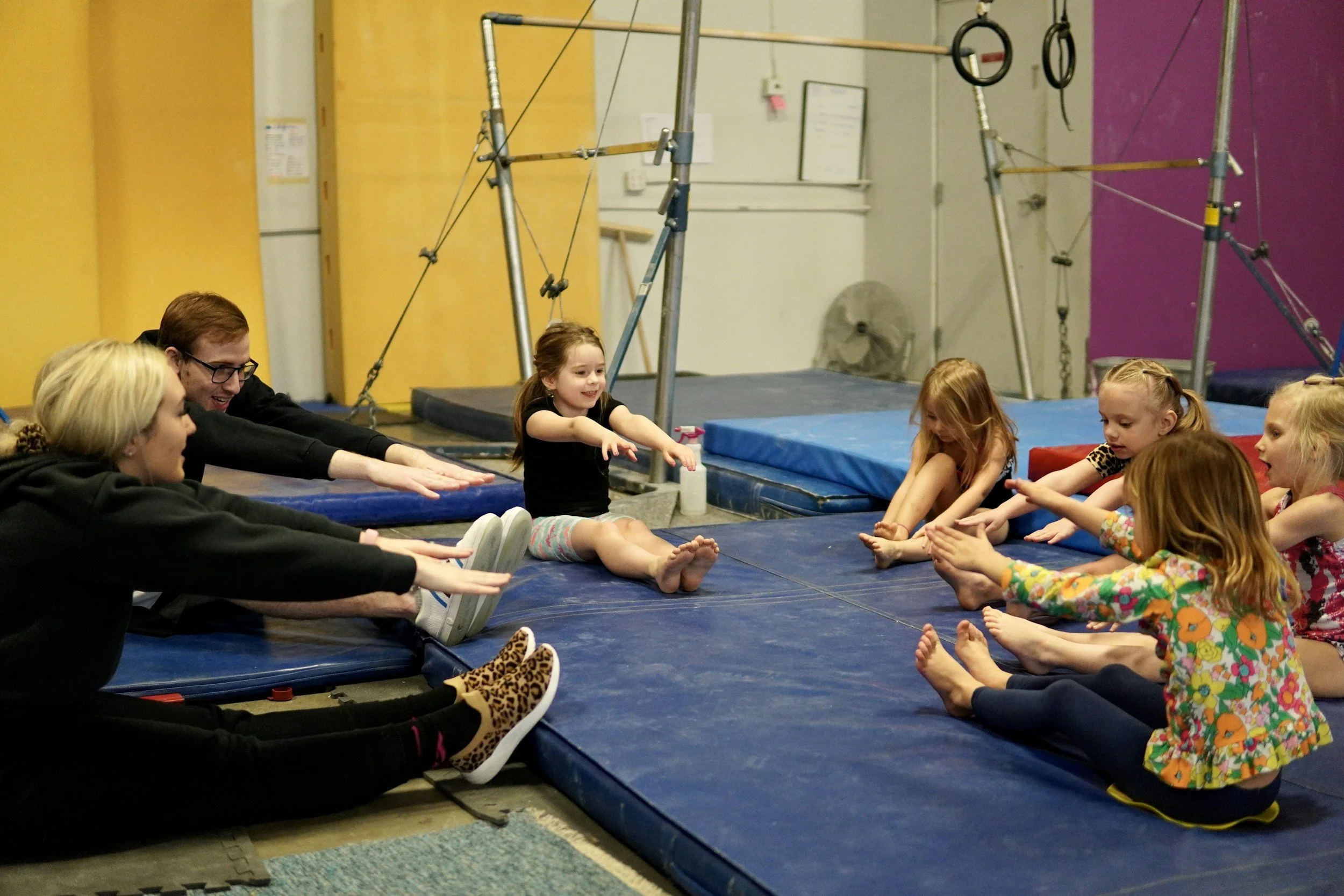
Motor learning research consistently shows that repetition and practice over time are critical for lasting change. In-clinic sessions alone typically provide limited practice opportunities. Home exercise fills this gap by allowing patients to repeat movements frequently, helping the nervous system solidify new patterns.
The more often a patient practices a skill correctly, the more automatic and transferable it becomes.
Practice In Real-Life Environments
Home exercises occur in the same environments where patients need to function—homes, schools, and neighborhoods. Practicing skills in these familiar settings helps:
Improve adaptability to real-world challenges
Reduce reliance on therapist cues
Increase confidence in independent movement
This context-specific practice is a key driver of carryover.
Improved Consistency Between Sessions
Home exercise bridges the gap between therapy sessions, preventing regression and maintaining momentum. Consistent practice helps ensure that each clinic visit builds on previous progress rather than revisiting lost ground.
Reinforcement of Education and Technique
Home exercise participation reinforces education provided during therapy, including posture, movement quality, pacing, and symptom management. Patients who practice regularly are more likely to:
Recognize and correct movement errors
Understand how exercises relate to functional goals
Apply learned strategies spontaneously throughout the day

The Therapist’s Role in Supporting Participation
Simply prescribing exercises is not enough. Therapists play a critical role in improving participation by:
Tailoring programs to the patent’s goals, abilities, and schedule
Providing clear instructions and demonstrations
Explaining the purpose and functional relevance of each exercise
Adjusting programs to reduce barriers such as pain, time constraints, or fear of movement
When home exercises feel meaningful and achievable, participation and carryover improves.
Conclusion
Participation in home exercise is one of the most powerful factors influencing carryover of skills in physical therapy. Through repetition, real-world practice, increased confidence, and consistent reinforcement, home exercise transforms clinic-based improvements into lasting functional change.