Why "Play-Based Therapy" is More Than Just Fun:The Science Behind Progress Through Play
Based on an interview with Nick Sidwell, Owner of Ability Innovations
If you’ve ever sat in the waiting room of a pediatric therapy clinic, looking through the window as a therapist rolls around on a crash pad or builds a tower of blocks with your child, a voice in the back of your head might have asked:
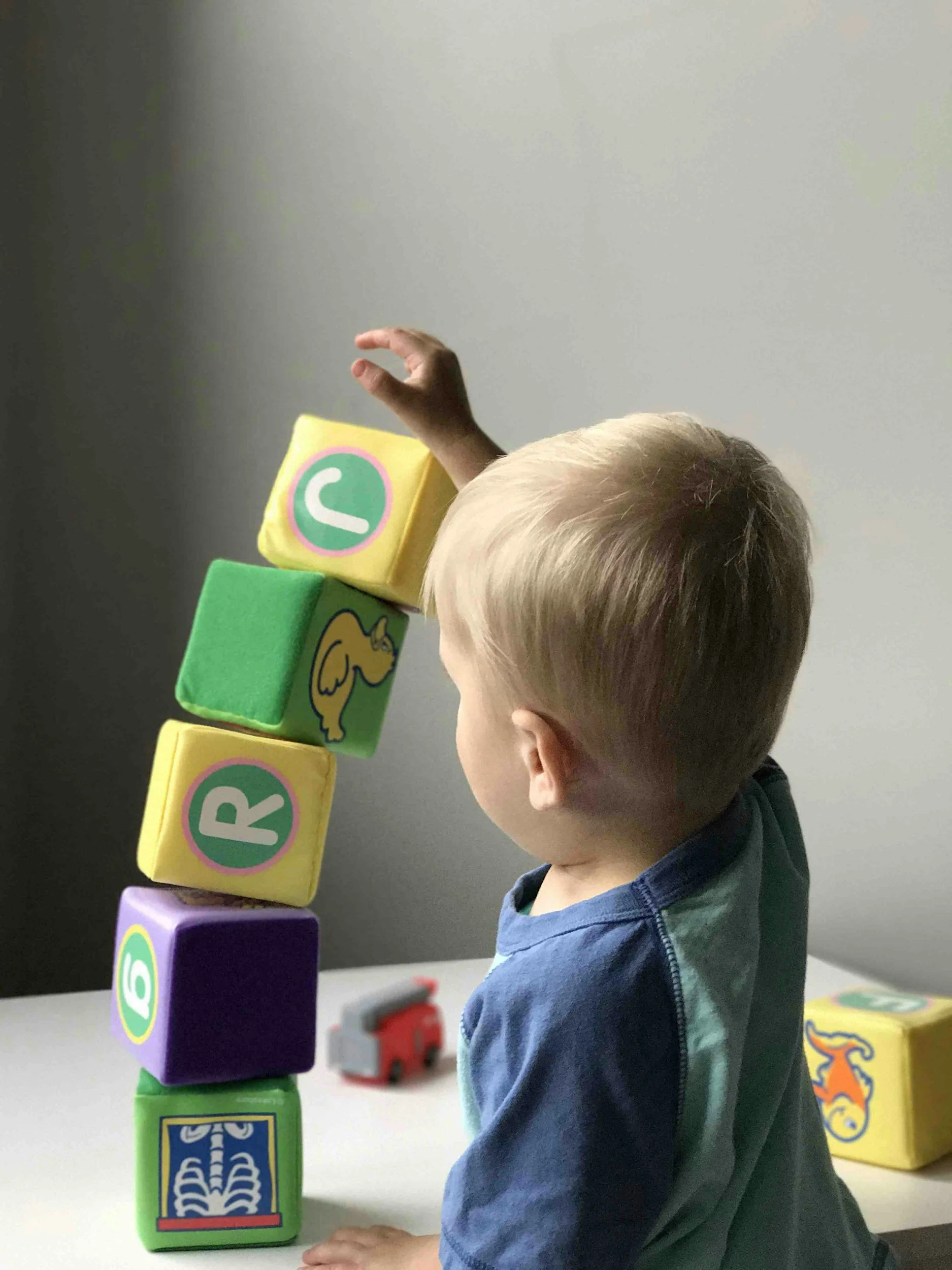
“Are they actually working on goals right now... or are they just playing?”
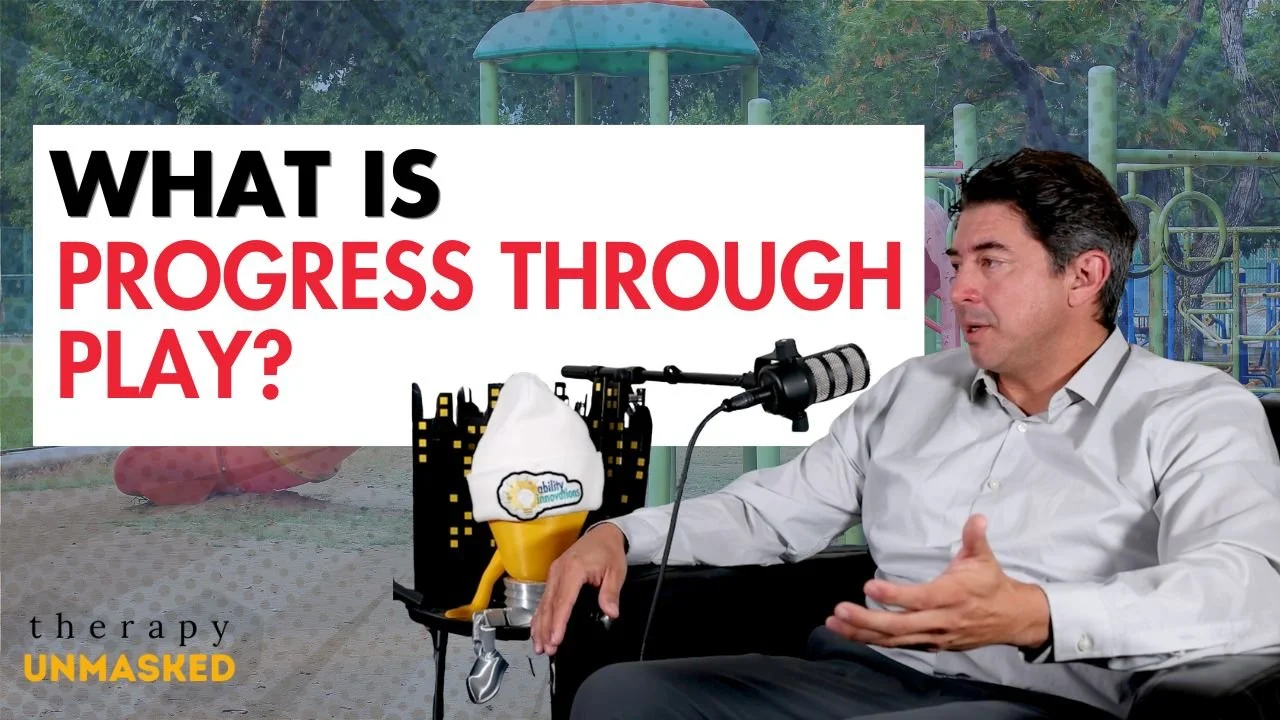
It’s a question pediatric therapists hear all the time. When therapy looks exactly like a standard playdate, it can be hard to see the deeper, clinical value. On the latest episode of the Therapy Unmasked podcast, host Nick Sidwell, owner of Ability Innovations, demystified our core philosophy: Progress Through Play. Here is a breakdown of the fascinating science behind why authentic, child-led play is the absolute fastest way to unlock your child's developmental milestones.

1. The Science: Play "Lights Up" the Brain
Play isn't just a way to pass the time; for children, it is their primary occupation. It's how they decipher and
navigate the world. Nick explains that massive clinical research starting in the 1980s and 90s—pioneered by developmental experts like Dr. Stanley Greenspan (the creator of DIR®/FloorTime) and programs like The Play Project— proved something revolutionary. When a child is actively engaged in authentic, joyful play, their brain lights up like no other stimulus can.
Habilitation vs. Rehabilitation: As adults, if we break a bone or injure a muscle, we go to rehabilitation to relearn a skill we lost. But children are undergoing habilitation—they are building neural pathways from scratch. To form a brand-new connection (a dendrite) in the brain, the neural network requires repeated exposure to a positive stimulus. Play is the engine that drives that exposure.

2. The Golden Rule: It Must Be Child-Led
A common pitfall in pediatric therapy happens when adults try to script the session too rigidly. If a speech or physical therapist forces a child to sit at a desk and drill flashcards, the child's brain drops out of that high engagement "learning zone."
To tap into true neurological growth, play must be child-led and authentic. At Ability Innovations and their sister clinic, Children in Motion, every therapist goes through rigorous in-house certification to master the art of "shifting on the fly."
"The kids don't recognize it," Nick shares. "They think we're just hanging out. They might point across the room and say, 'No, I want to do that over there.' A great therapist will immediately adapt, follow their lead, and figure out how to shape that exact activity to meet their physical, occupational, or speech goals."
Even an activity as simple as playing with the zipper on a giant crash pad for twenty minutes can be molded by an expert therapist to build fine motor strength, bilateral coordination, and focus.

3. Case Study: Turning "Aversive" Tasks into Adventures
What happens when a child completely hates a necessary skill, like handwriting? Nick shared a story from a recent session with an older child who consistently resisted writing on paper. Instead of forcing the issue, Nick leaned into the child's current hyper-focus: a mystery video online involving secret codes.

By connecting the writing to something the child was genuinely passionate about, a highly stressful, aversive task instantly became a fascinating puzzle. They were working on critical handwriting skills, but because it was framed inside an authentic play container, the child jumped in hook, line, and sinker.

4. The 9-to-12 Month Reality Check
One of the toughest parts of pediatric therapy for parents is patience. Because building physical neural pathways and regrowing nerve connections takes time, real, sustainable progress typically takes 9 to 12 months of consistent exposure. Progress isn’t a straight line upward—it fluctuates. But every small victory counts.
To help bridge the gap between clinical tracking and everyday parenting, the team at Children in Motion is currently piloting a brand-new interactive app called The Village Path. Based on developmental milestones, the app allows parents and therapists to chart a child's progress back and forth in real-time. It cuts through confusing insurance jargon and gives families a transparent, sequential look at exactly what developmental level their child is tackling next.

5. Bringing the Progress Home
A child might see their therapist once or twice a week, but the real magic happens at home. To turn a learned
behavior into a permanent skill, children need generalization. If a child only practices their speech or fine
motor skills in the designated sensory room, they might compartmentalize it as a "therapy-only" activity.
When parents take the tiny, fun strategies used in the clinic and replicate them at home—whether it's writing
on a balloon with a marker or playing a tailored game before homework—the child learns to apply that skill
across different environments, cementing it into their permanent toolkit.
Want to learn more about play-based milestones?
Listen to the full episode of Therapy Unmasked on your favorite podcast platform!
Interested in trialing The Village Path app to track your own child's developmental journey? Ask your therapist about our current pilot program.