

Understanding Developmental Coordination Disorder (DCD): How Pediatric Physical Therapy Can Help
Elizabeth Bakken, PT DPT
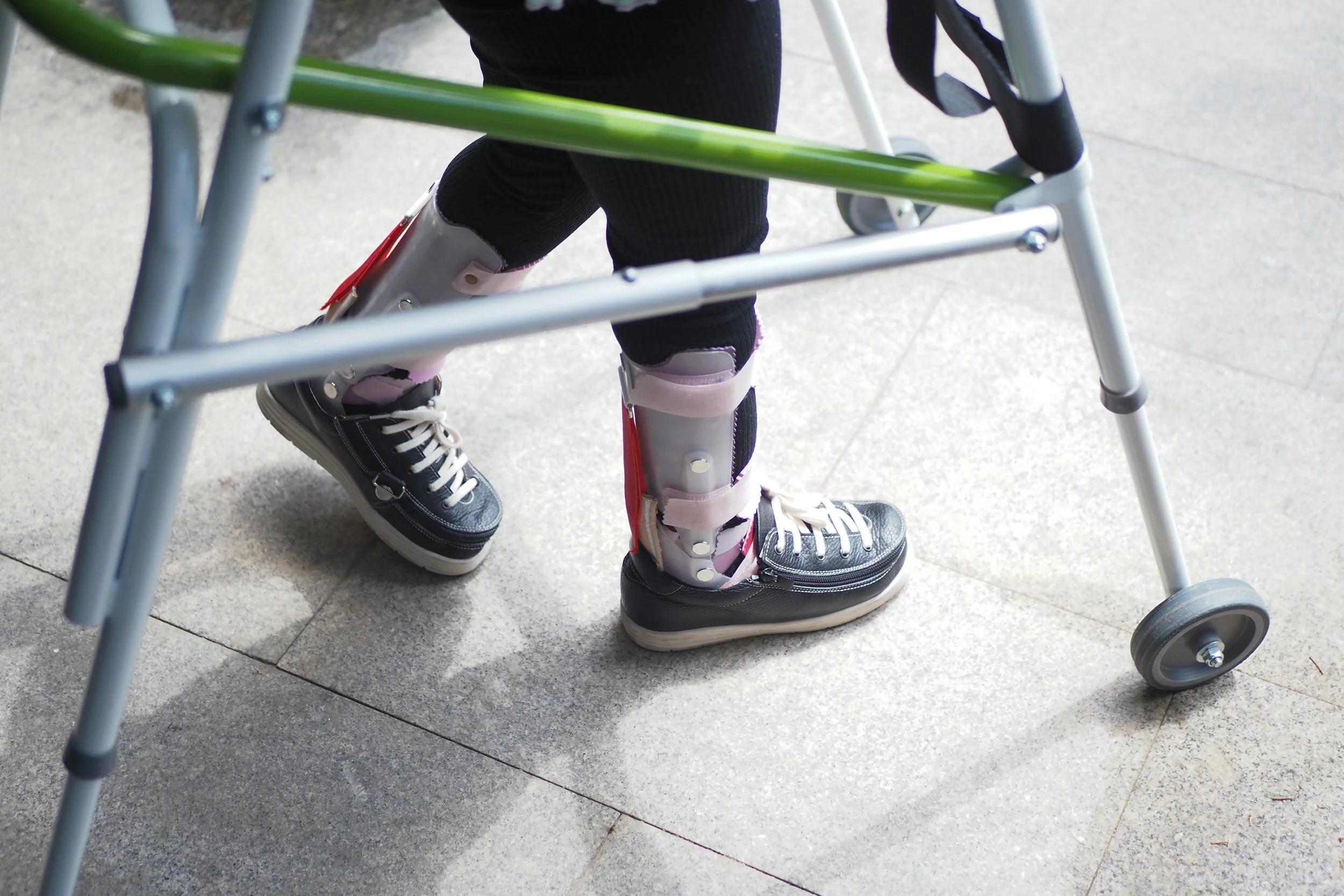
Many children struggle with learning new motor skills, but for some, these challenges go beyond typical developmental differences. Developmental Coordination Disorder (DCD) is a neurodevelopmental condition that affects a child's ability to plan, coordinate, and execute motor movements. These difficulties can impact participation in everyday activities at home, school, and in the community.
Fortunately, pediatric physical therapy can play a significant role in helping children with DCD improve coordination, build confidence, and develop the skills needed for successful participation in daily life.
What Is Developmental Coordination Disorder?
Developmental Coordination Disorder (DCD), sometimes referred to as "dyspraxia," is characterized by significant difficulties with motor coordination that cannot be explained by another neurological or medical condition. Children with DCD often have trouble learning and performing age-appropriate motor skills, despite having the desire and cognitive ability to participate.
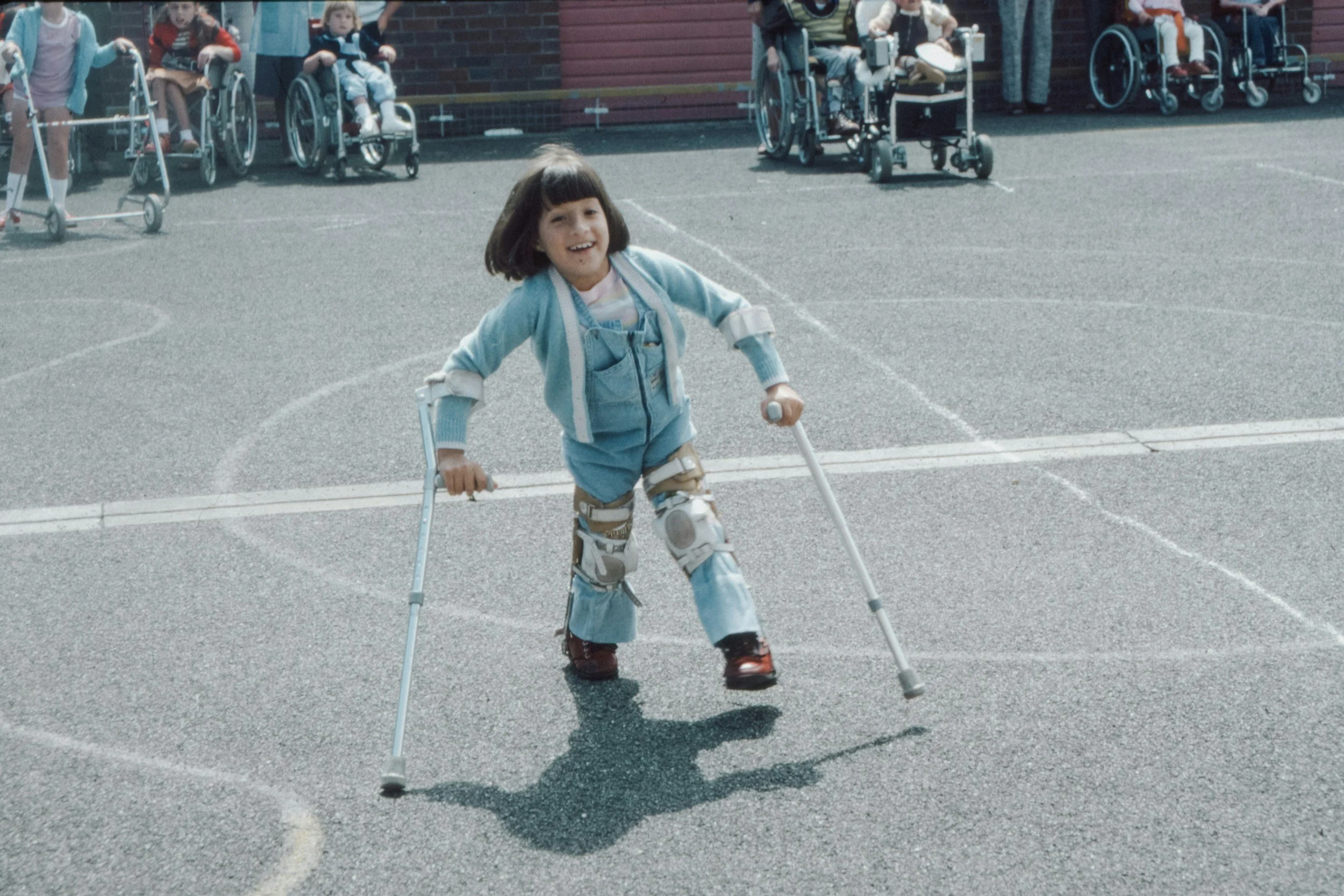
Common Signs and Symptoms Of DCD
Children with DCD may demonstrate:
• Frequent tripping, falling, or bumping into objects
• Difficulty learning new motor skills
• Poor balance and postural control
• Challenges with running, jumping, hopping, or skipping
• Difficulty catching, throwing, or kicking a ball
• Delayed participation in playground activities and sports
• Trouble navigating stairs safely
• Poor body awareness and spatial orientation
• Fatigue during physical activities
• Avoidance of physical activities due to frustration or lack of confidence
These challenges can affect not only physical performance but also social participation, self esteem, and overall quality of life.

How Does Physical Therapy Help?
Pediatric physical therapists evaluate a child's movement patterns, strength, balance, coordination, motor planning abilities, and functional mobility. Based on the assessment findings, an individualized treatment plan is developed to target the child's specific needs and goals.
The primary objectives of physical therapy for children with DCD include:
• Improving coordination and motor control
• Enhancing balance and postural stability
• Developing strength and endurance
• Increasing participation in play, sports, and daily activities
• Building confidence and self-efficacy
• Supporting independence across environments

Evidence-Based Physical Therapy Interventions for DCD
Task-Oriented Motor Skill Training
Research supports task-oriented interventions as one of the most effective approaches for children with DCD. Rather than focusing solely on isolated exercises, therapy emphasizes practicing meaningful functional tasks.
Examples include:
• Learning to ride a bicycle
• Practicing jumping rope
• Improving ball-handling skills
• Navigating obstacle courses
• Climbing playground equipment
Therapists break complex skills into smaller, manageable steps and provide repetition with appropriate feedback to facilitate motor learning.

Balance and Postural Control Training
Many children with DCD have difficulty maintaining balance during dynamic activities.
Physical therapy interventions may include:
• Single-leg standing activities
• Balance beam walking
• Stability exercises on foam surfaces
• Dynamic weight-shifting activities
• Stepping and reaching tasks
• Balance games and challenges
Improving balance can enhance safety, confidence, and participation in physical activities.
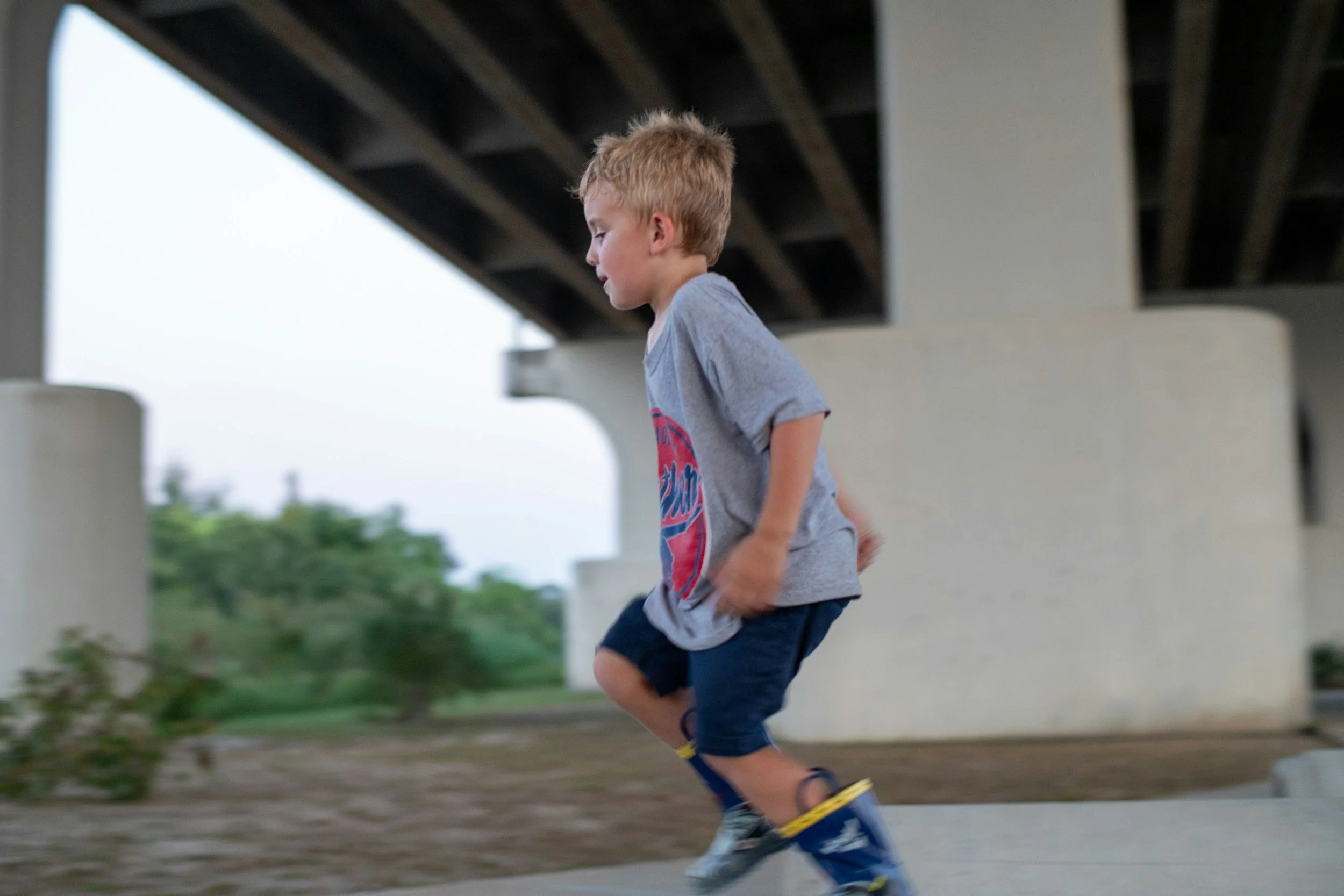
Strengthening Exercises
Although DCD is primarily a coordination disorder, muscle weakness may contribute to movement inefficiencies.
Strengthening activities may target:
• Core muscles for postural stability
• Hip and leg muscles for balance and mobility
• Upper extremity muscles for functional tasks and sports participation
Therapists often incorporate strengthening into fun, play-based activities to maximize engagement.
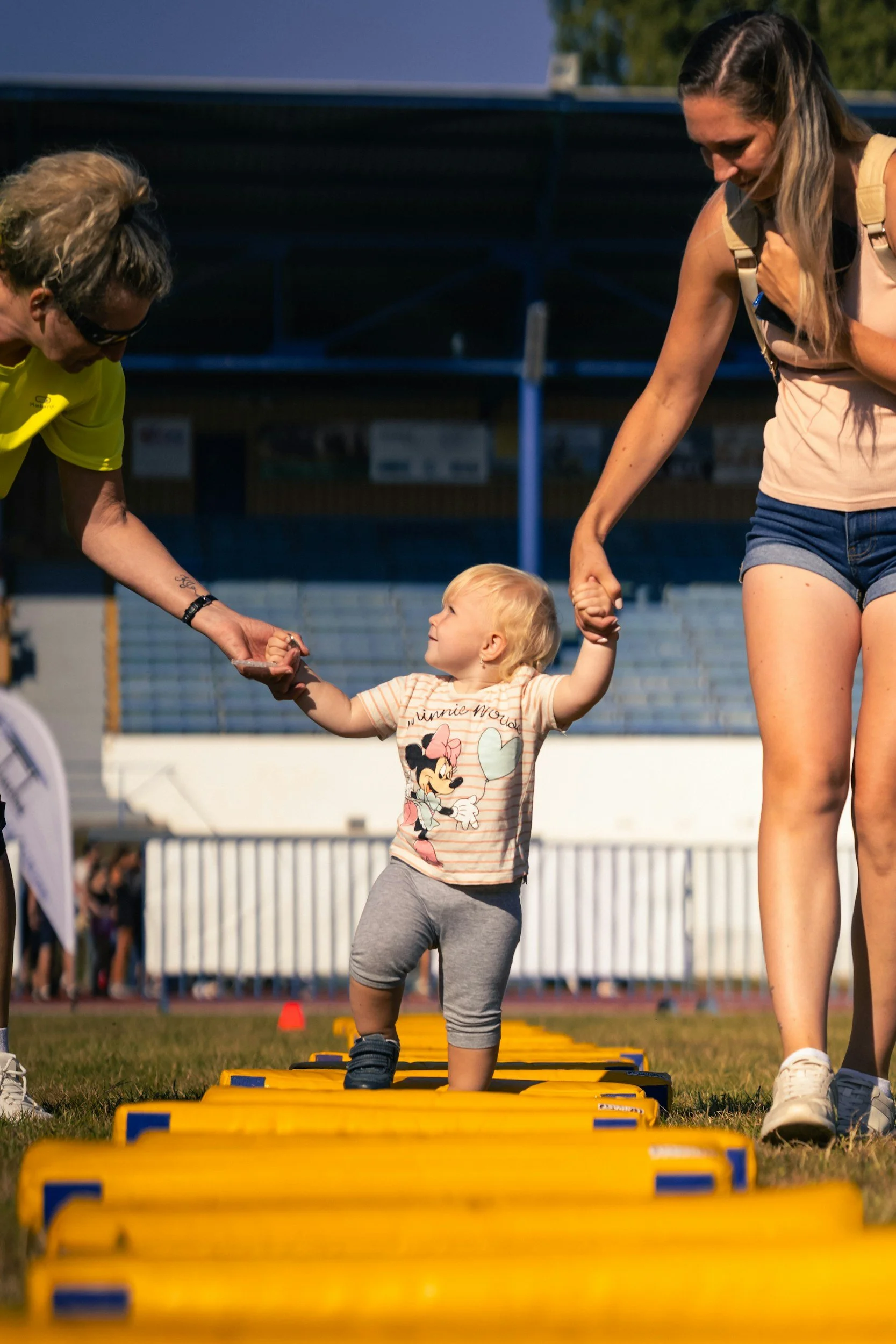
Motor Planning and Sequencing Activities
Children with DCD often struggle with planning and organizing movements.
Therapy may include:
• Obstacle courses requiring multiple movement sequences
• Follow-the-leader games
• Multi-step movement challenges
• Dance and rhythm-based activities
• Activities that require imitation of movement patterns
These interventions help improve the child's ability to organize and execute coordinated movements.

Coordination and Bilateral Integration Training
Many daily activities require both sides of the body to work together efficiently.
Examples include:
• Catching and throwing activities
• Kicking games
• Jumping patterns
• Animal walks
• Cross-body movement activities
• Scooter board activities
These exercises help improve timing, accuracy, and overall movement efficiency.

Agility and Sports Skill Development
As children progress, therapy may incorporate age-appropriate sports and recreational activities to promote participation with peers.
Examples include:
• Running and agility drills
• Soccer skills
• Basketball skills
• Playground navigation
• Recreational fitness activities