

Is It a “Phase” or a “Fight”? Decoding Your Child’s Mealtime Battles
Aarone Cefalo OTD, OTR/L
Is your child just being a typical toddler, or is their body actually telling them that food is "dangerous"?
Understanding the difference between picky eating and a feeding aversion (what we call "problem feeding") is the first step. It shifts the narrative from "Why won't they just listen?" to "How can I help their body feel safe?"
The Picky Eater: The “Frustrating” But Normal Phase
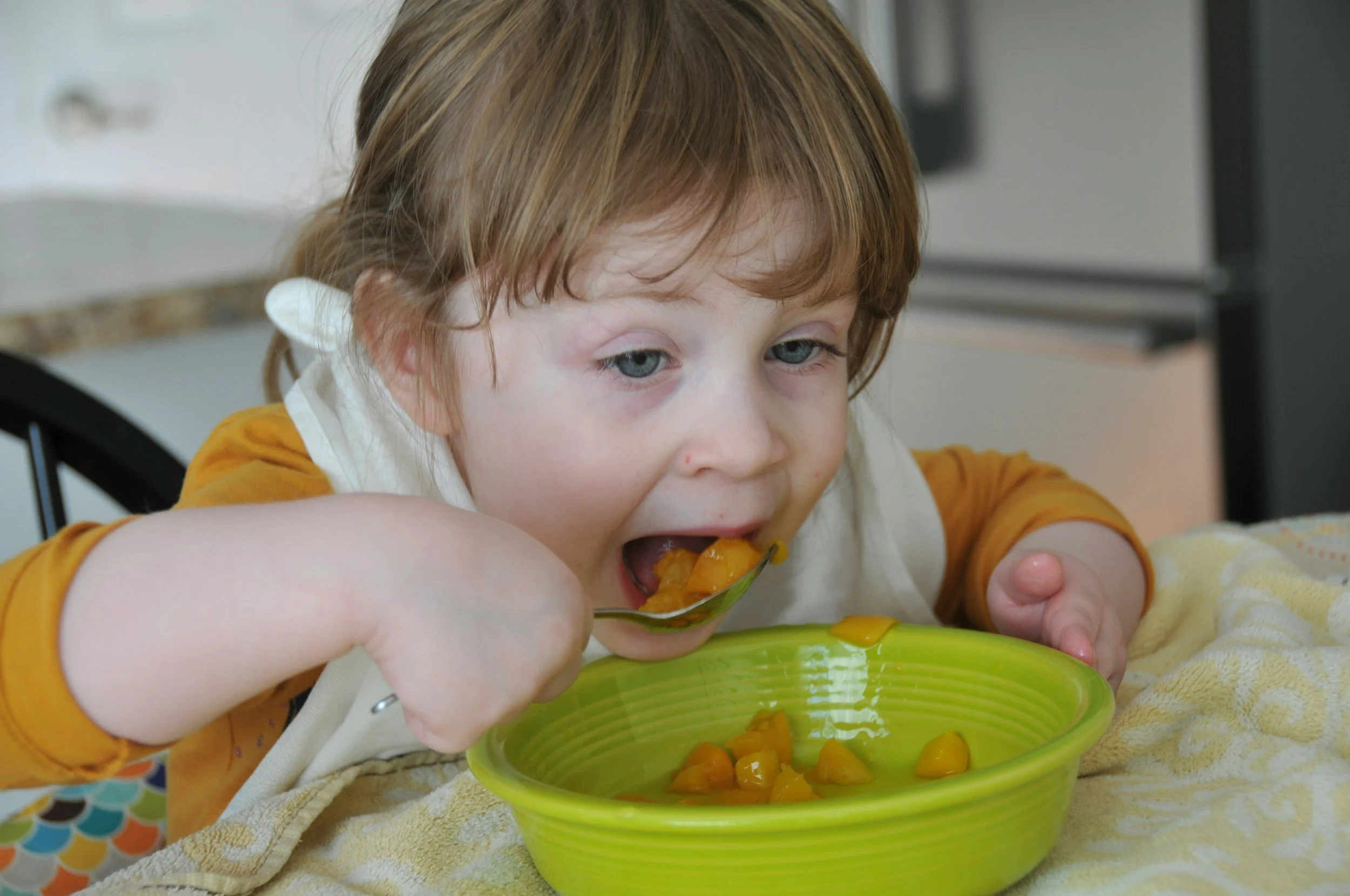
Think of the picky eater as a child who is just a bit stuck in their ways. Generally, these kids have about 20 or more foods they’ll eat. They might go through "food jags"—where they want peanut butter sandwiches for every meal for a week—but they usually don't "lose" those foods forever.
The hallmark of a picky eater is that they can handle a new food just sitting on their plate. They might complain or make a face, but they aren't having a total meltdown. They’re essentially saying, "I’d rather not eat that," rather than "I physically cannot touch that."

The Feeding Aversion: When the Body Says “No”
Now, let’s talk about the kids who fall into the feeding aversion category. These are our "Problem Feeders." These kiddos usually have a very short list—fewer than 15-20 foods. If they decide they’re done with yogurt, it’s often gone for good, and their "safe list" keeps shrinking.
Through the lens of a feeding therapist, we recognize that for these kids, eating isn't just about taste; it’s a sensory overload. If your child gags at the sight of a banana, screams if a drop of sauce touches their hand, or loses it when a new food is even in the room, their nervous system is in "fight or flight" mode. To them, broccoli isn't a vegetable; it’s a perceived threat, like a spider on their plate. They aren’t being "naughty"; they are genuinely scared/anxious.

The “Get Permission” Secret: Trust is the Main Course
In the Get Permission approach to Feeding, we stop looking at the plate and start looking at the child’s face. We ask: "Do I have permission to move this food closer?" If a child is leaning away or covering their mouth, their body is saying "No."
When we force "just one bite," we might get the food down, but we often lose the child's trust. For a child with an aversion, we want to rebuild that relationship. We want them to know that they are the boss of what goes into their body. When a child feels safe and in control, their curiosity naturally starts to peak. It’s about moving from a "Power Struggle" to a "Partnership."
It’s Not Just “Chew and Swallow” (The 32 Steps)
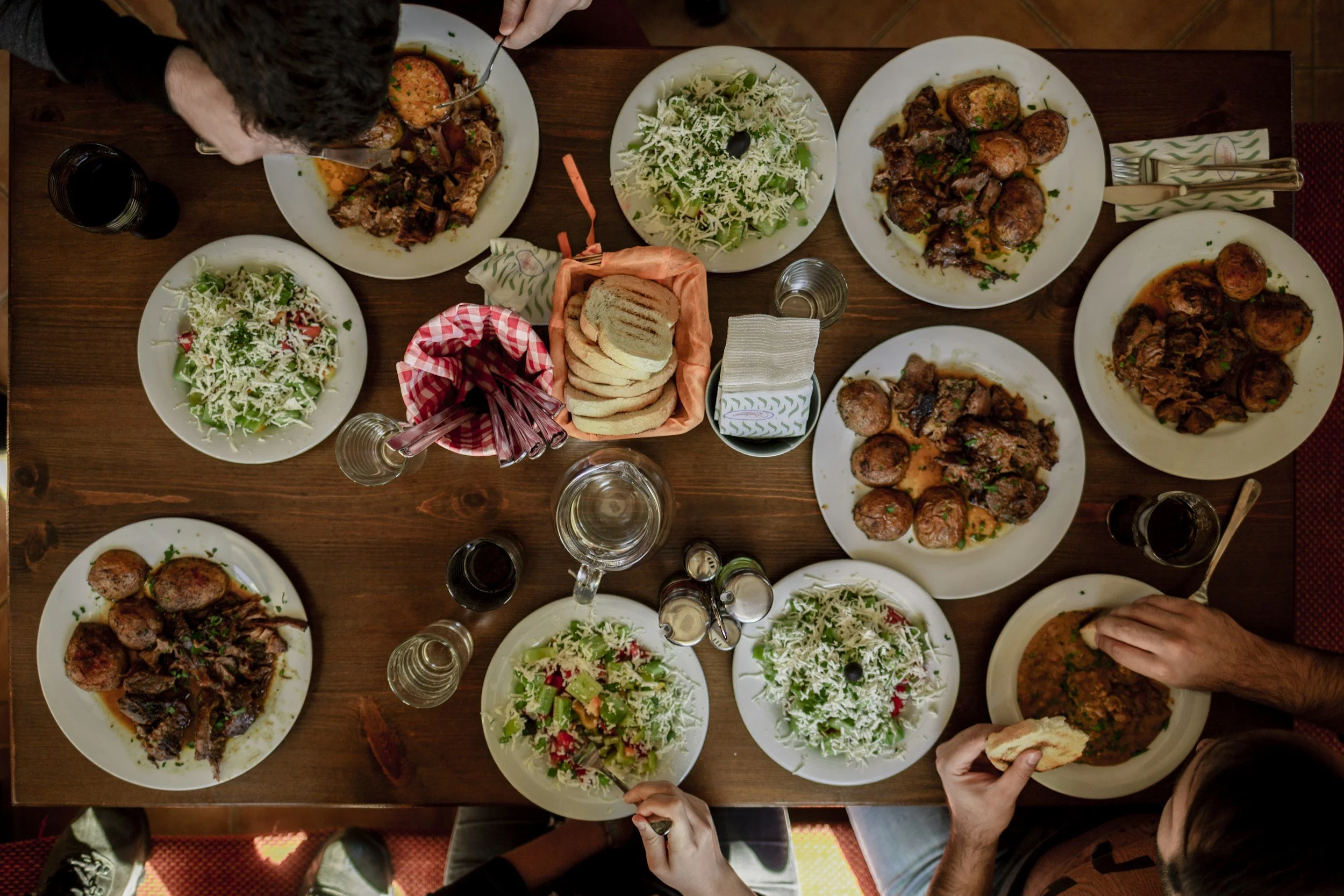
Most parents think eating is a two-step process: sit down and eat. In the feeding world, we break it down into 32 steps. Eating actually starts with just being in the same room as the food! Then it moves to looking at it, then touching it with a napkin, then maybe poking it with a fork, then smelling it... and way down the line, we get to tasting.
If your child has a true aversion, they might be stuck at step 5 (tolerating the smell). Expecting them to jump to step 32 (chewing and swallowing) is like asking someone who is afraid of heights to skydive. We have to celebrate the wins—like when they finally agree to help you wash the carrots, even if they don't eat a single one.

You Aren’t Failing, and Neither is Your Child
If you’ve been feeling like a failure because your kid only eats a few foods, don’t believe that. Feeding is the most physically complex task a human being does—it uses every single muscle and every single sensory system.
If your "mom-gut" or "dad-gut" is telling you this is more than just a phase, you’re probably right. Whether it's a sensory issue or an oral-motor challenge (maybe they don't actually know how to chew that steak!), there is a path forward. By focusing on tiny steps and "permission," we can turn the dinner table back into a place for connection instead of a place for combat. Hang in there—progress is measured in the small steps, but those small steps eventually lead to trying new foods.