

Why I Recommend Open or Straw Cups Over Sippy Cups
Brianna Stodgell CCC-SLP
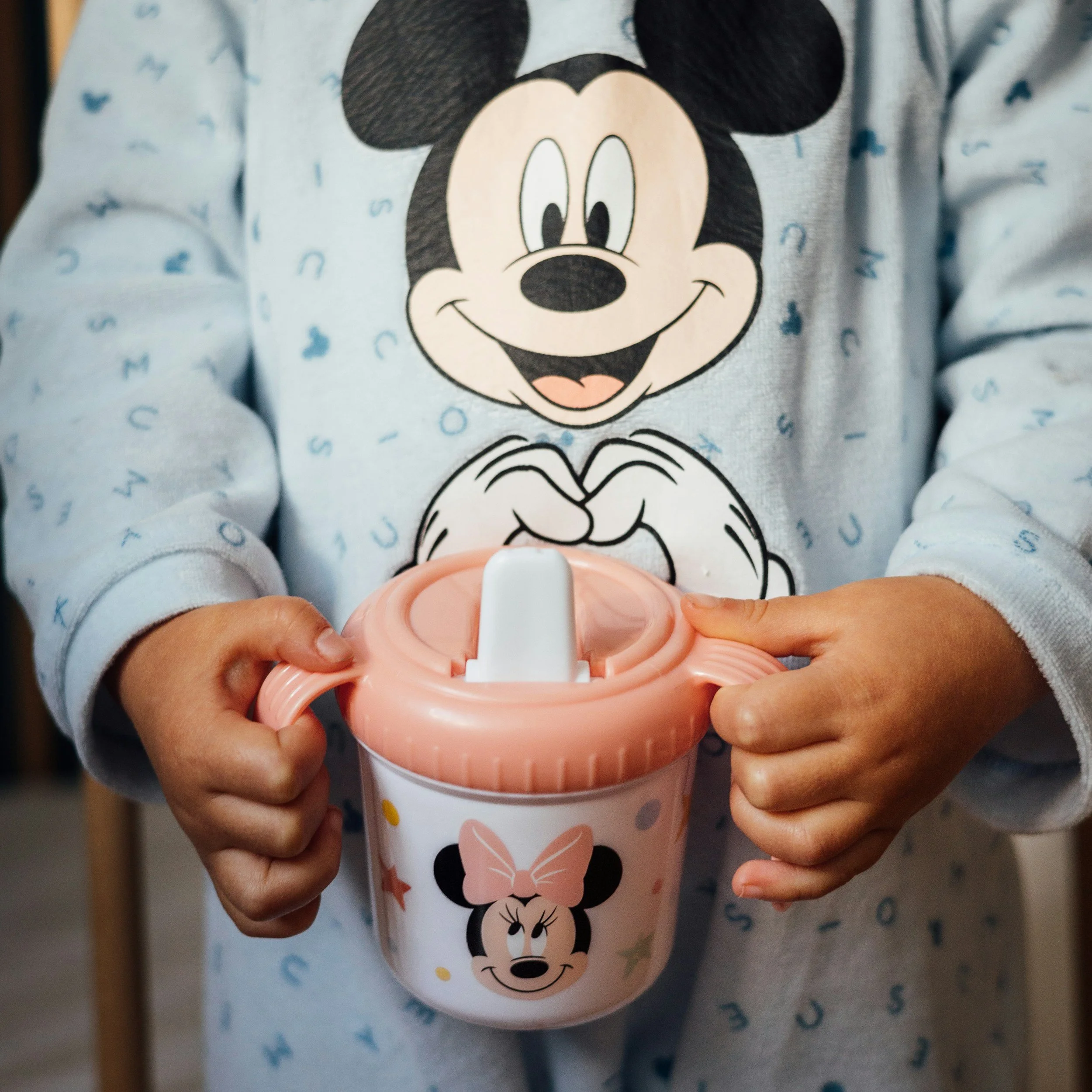
Sippy cups are often marketed as the norm to transition from bottle drinking. They can be convenient and offer a quick transition; however, they are not beneficial for overall development and maturation of oral motor skills. Although sippy cup use is not going to be detrimental to a child’s development, feeding therapists and oral motor specialists recommend straw or open cups as the most beneficial options to support a child’s long-term growth.
Oral Muscles Matter
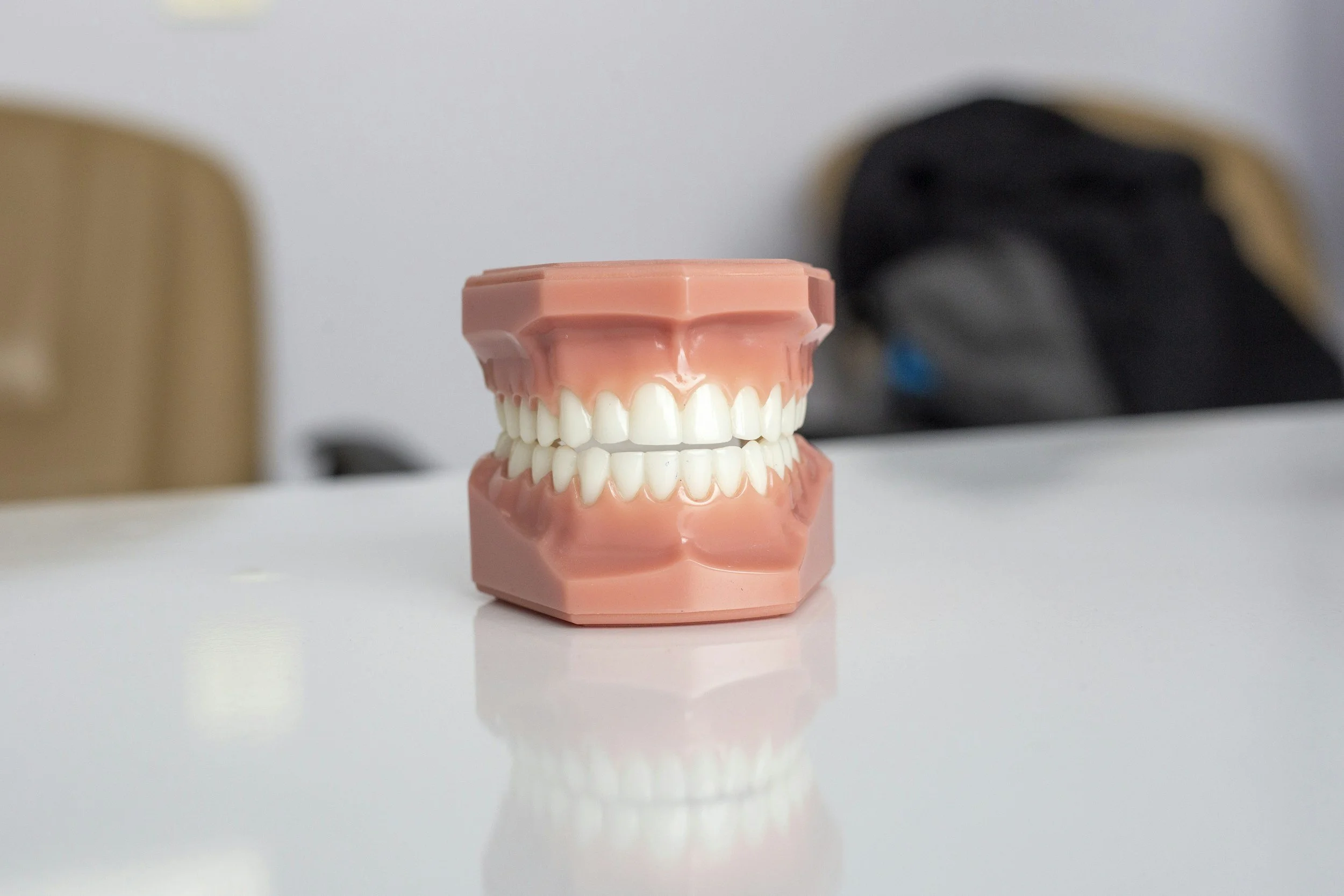
The same muscles children use for eating and drinking are also important for speech development. As children learn to coordinate their lips, tongue, cheeks, and jaw, they build the foundation for clear speech and safe feeding skills.
Open Cups Encourage:
● Lip closure around the rim of the cup
● Controlled sipping and swallowing
● Jaw stability
● Tongue retraction and coordination
Straw Cups Encourage:
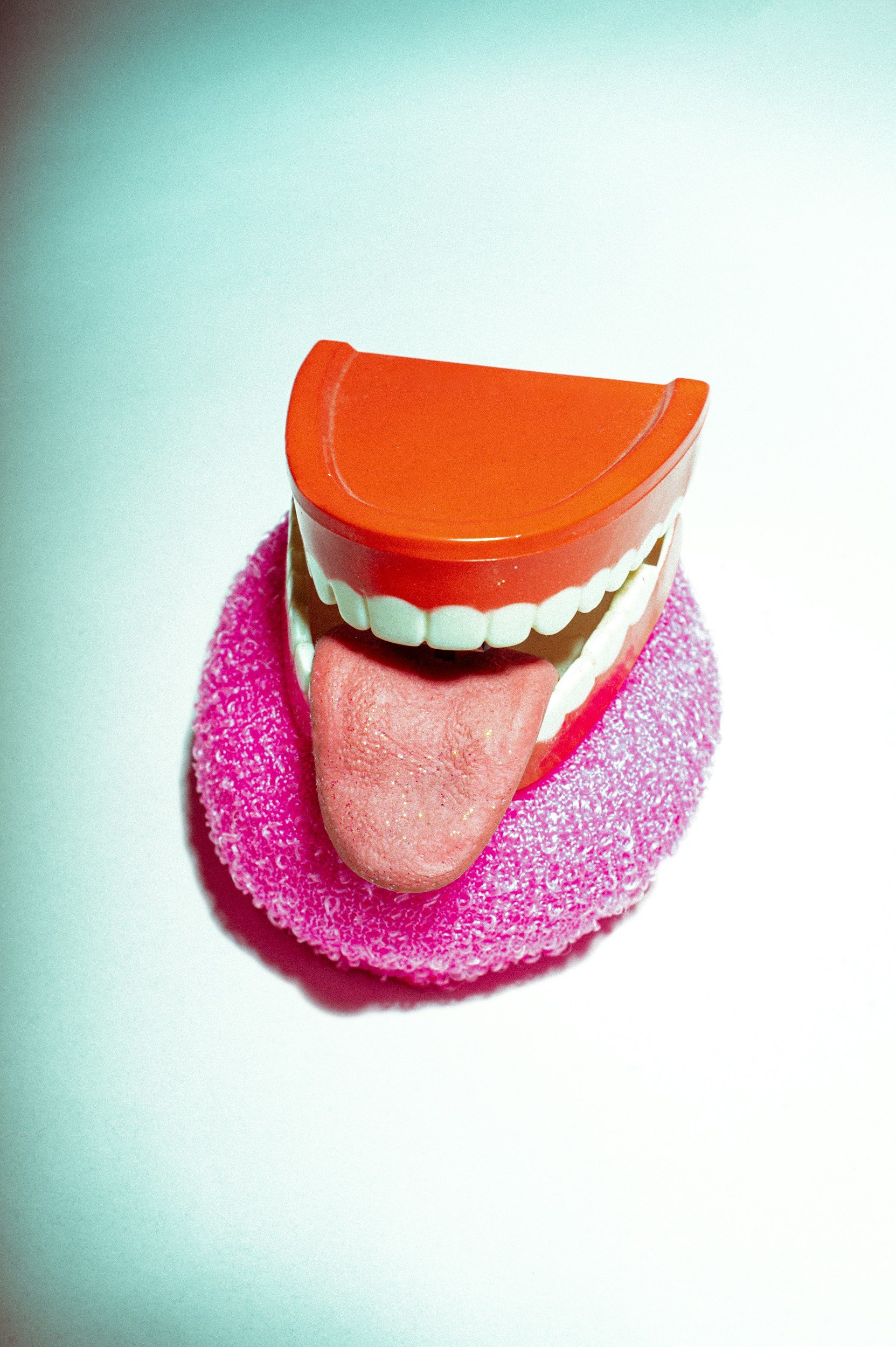
● Lip rounding
● Tongue retraction
● Cheek strength
● Mature swallowing patterns
These skills are all part of developing strong, coordinated, and mature oral muscles.
Sippy Cups Can Promote Less Mature Drinking Patterns
Many traditional sippy cups require children to hold their tongue in a forward position or use a sucking pattern that is similar to bottle feeding.
When children continue using these patterns for an extended period, it may:
● Delay the development of more mature drinking skills
● Encourage a tongue-forward swallow pattern
● Reduce opportunities to practice lip and tongue coordination
This does not mean that occasional sippy cup use will cause speech problems, but open and straw cups provide more opportunities to strengthen skills that support speech and feeding development.
Open and Straw Cups Help Children Learn Important Life Skills and Support Feeding and Speech Development
Sippy cup use is not a skill that children need for long-term development. Older children and adults do not have opportunities that require them to drink from sippy cups. However, we do drink from open and straw cups regularly throughout our lifespan. Therefore, sippy cup use is an unnecessary skill when babies and toddlers are capable of skipping straight to an open or straw cup. Drinking from an open or straw cup requires practice, coordination, and body awareness. Open/straw cup drinking helps children:
● Learn how much liquid to take at one time
● Coordinate breathing and swallowing
● Improve postural control
● Develop independence during meals
● Develop lip strength
● Improve tongue movement
● Increase oral awareness
● Build coordination needed for eating and speaking
Just like learning to use a spoon, children improve with practice.
What About Messes
While it can be messy at first, children learn valuable skills through that process. In fact, many feeding therapists highly encourage messy eating and drinking to support sensory exploration and learning. I often recommend practicing an open cup in the high chair during mealtimes and straw cups for on-the-go, as many straw cups are designed to be leak-resistant.

When Should My Child Transition?
Every child develops at their own pace, but many children can begin practicing with various cups around 6 months of age when they start solids. The goal isn't perfection right away. It's providing opportunities for practice and gradually reducing reliance on bottles as your child becomes more skilled. Generally, we recommend transitioning completely off the bottle to straws and open cups around 1 year of age.
Recommendations:
Here are some products I recommend for early open and straw cup introduction:
● Honey Bear Straw Cups: Caregivers are able to gently squeeze the bottle to shoot water up the straw and show a child how a straw works. Additionally, the child can squeeze the bottle themselves to also trial and error with water intake through the straw.
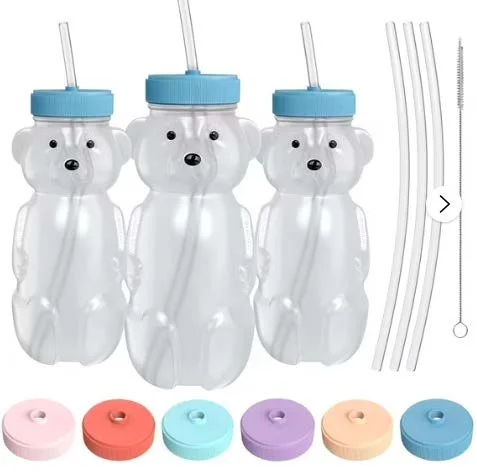
● Mini Baby-Led Cups: For easy practice with little hands.

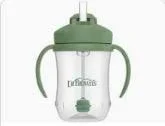
● Dr. Brown’s First Straw Cup: Leak-proof and offers a weighted straw so that the child can drink in all positions including relined and laying down, which can be a useful transition from the bottle, especially for children who feed-to-sleep.
The Bottom Line
If your child is currently using a sippy cup, there's no need to panic or throw them all away overnight. Small changes over time can make a big difference. Start by offering a straw cup or open cup during one meal each day and build from there.
Remember: a little mess is often a sign that learning is happening!
For more support check out our course on Baby-Led Weaning!