

Physical Therapy Services For Kids With Down Syndrome
Liz Bakken, PT, DPT
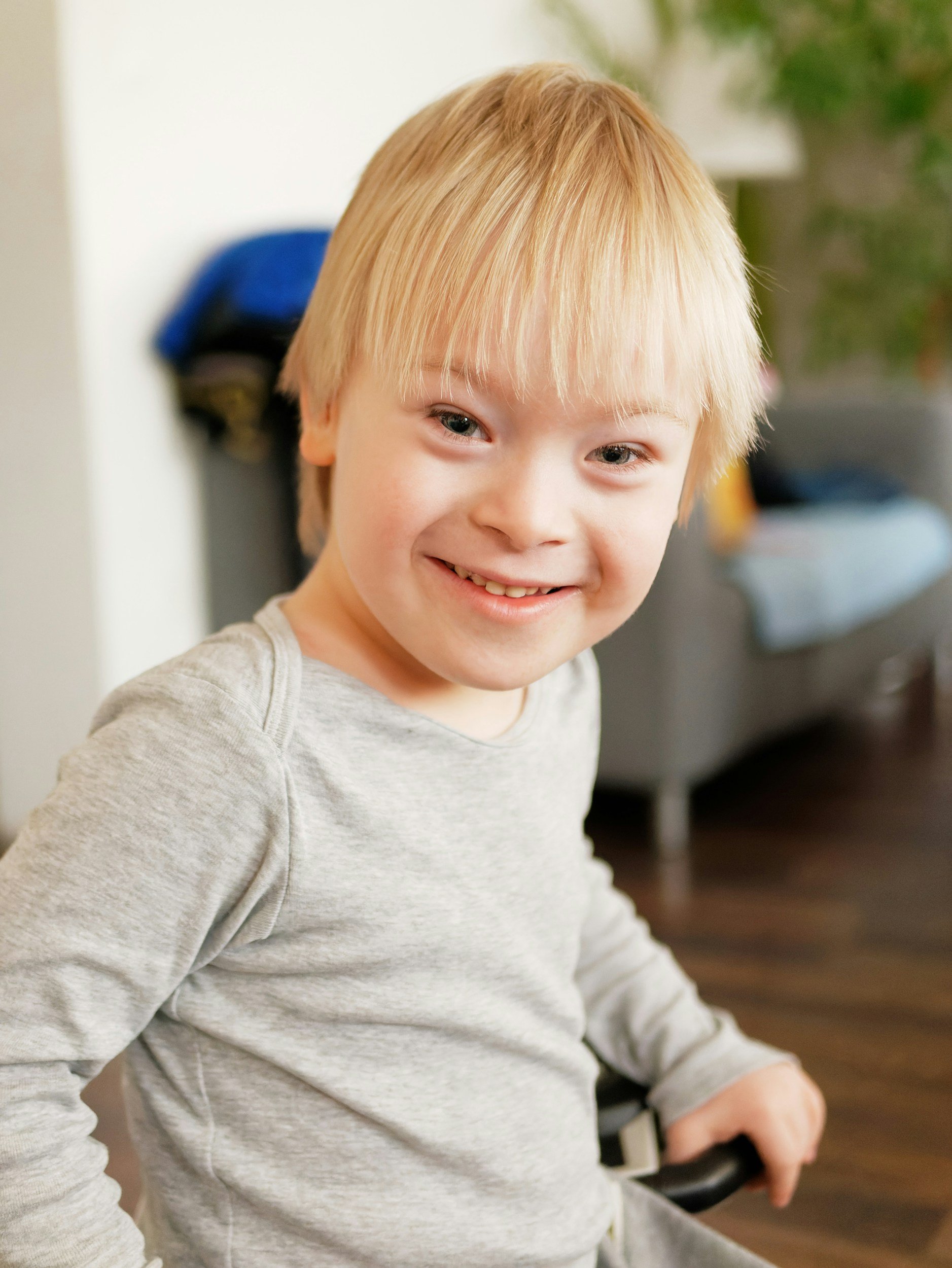
Down Syndrome, also known as Trisomy 21, is a genetic condition in which a child is born with a duplication of chromosome number 21. Children with Down Syndrome often present with developmental delays and appear behind in motor skills compared to same-aged peers. With motor function, children with Down Syndrome may present with low muscle tone, hypermobility, strength, balance, and postural deficits along with motor delays. Physical therapists are movement experts that can help children improve their gross motor skills, function, independence, and assist with these deficits that may be seen.
A physical therapist will perform a standardized assessment to better understand the child’s current level of function with gross motor skills, assess for areas of improvement, and assess for any of the deficits earlier discussed. From here, the physical therapist will create a treatment plan specific to helping the child improve these deficits and level of functional independence.
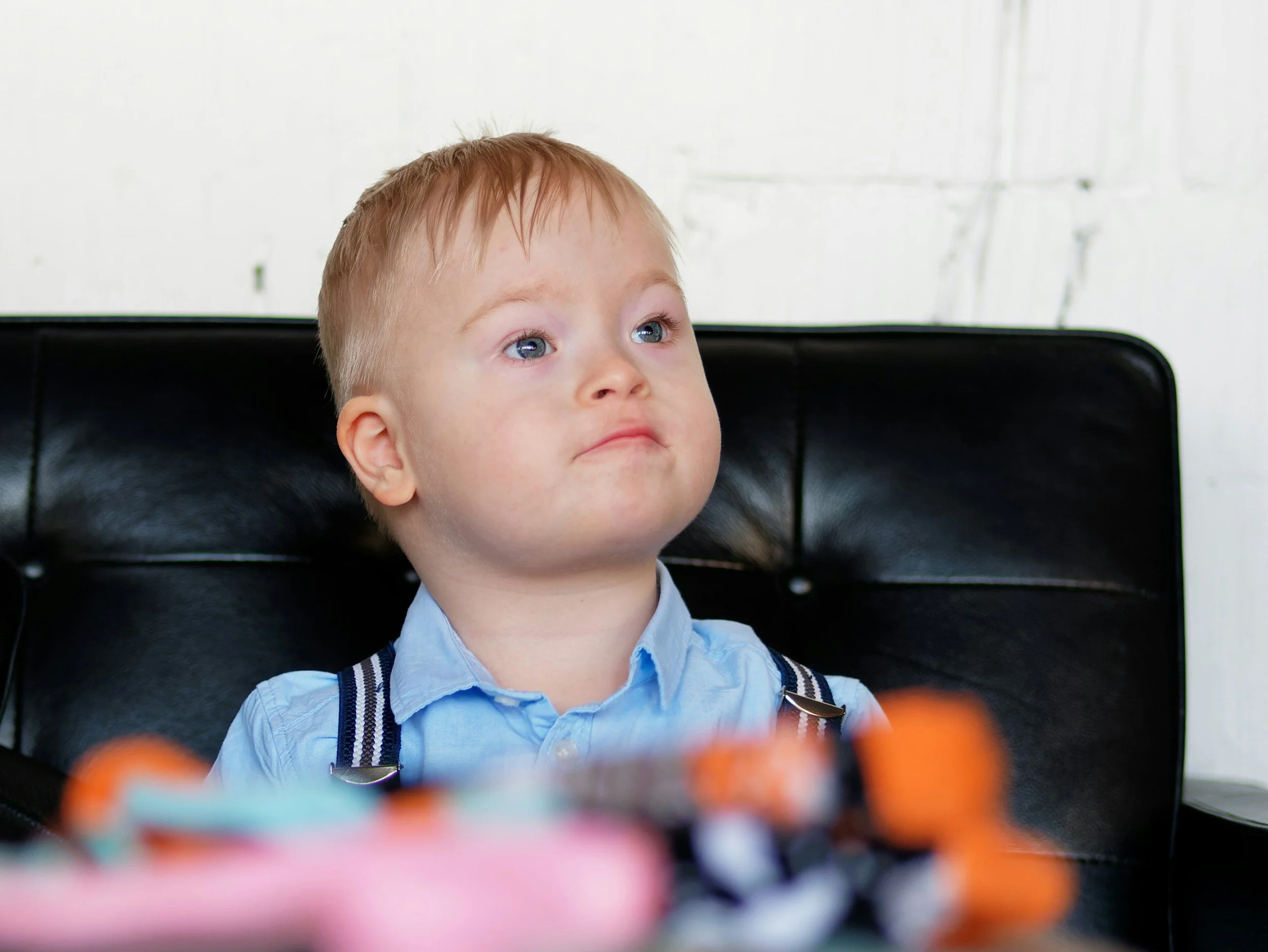
What are some exercises to assist with these commonly presented deficits?

Animal walks including bear walks, crab walks, duck walks, etc. can help children gain strength and coordination needed for functional skills

Seated balance on an unstable surface like a swing or therapy ball can help gain core strength to support posture and balance
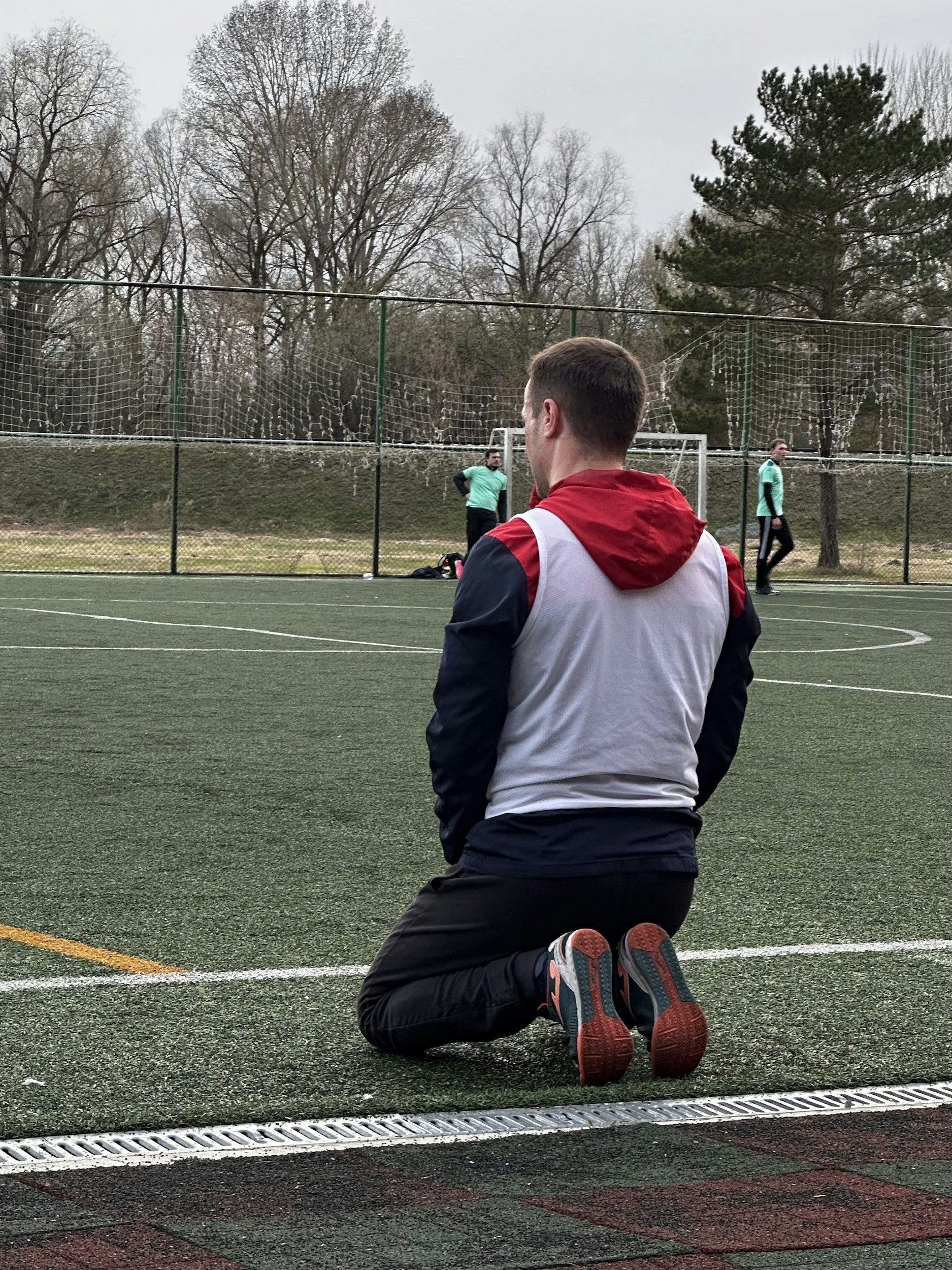
Playing in tall kneel position to support core and glute engagement, strength, and support postural goals

Practicing functional skills like ascend/descend stairs with reciprocal stepping, navigation of narrow spaces like a balance beam, performing transfers like sit to stands from chairs, or practicing ball skills can help children build strength, coordination, balance, functional mobility, and gross motor skills
The physical therapy treatment plan will be specific to the child’s deficits and areas of needed improvement noted during the standardized assessment. Please keep safety and the child’s specific medical needs in mind when performing exercises. Please reach out if you have any questions specific to your child.