
Confidence in Every Move: Why the Right Adaptive Equipment Matters
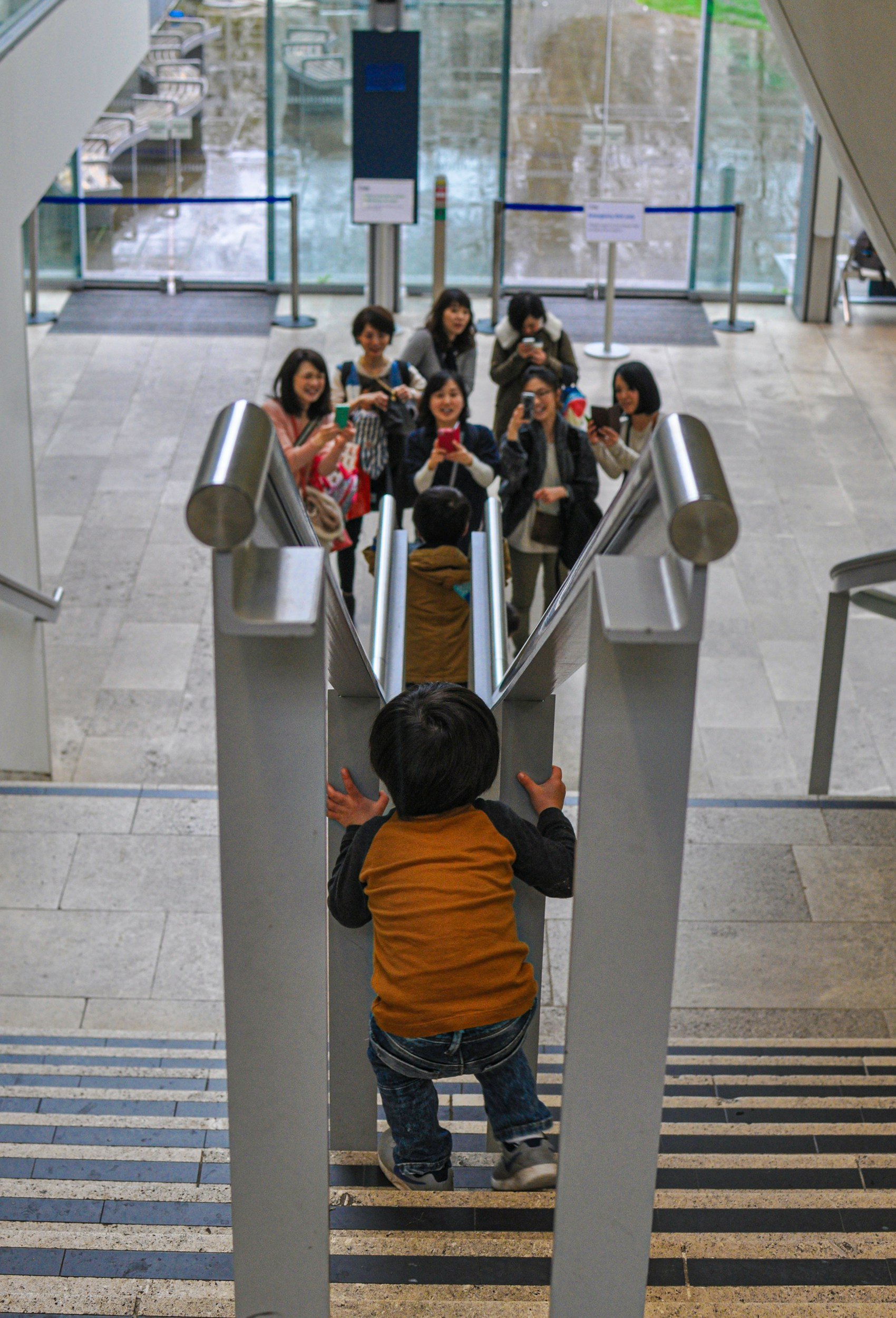
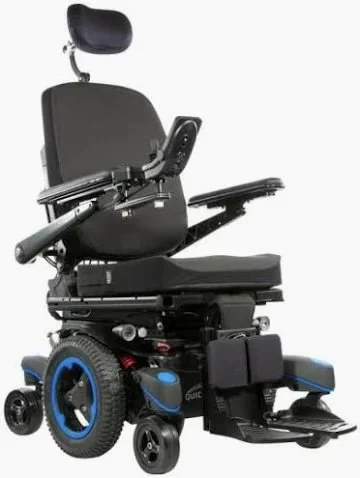
If your child has difficulty navigating community environments, such as their school, playground, the grocery store, or any other, first things first, you are not alone. According to the World Health Organization, nearly 2.5 billion people worldwide use assistive technologies to help participate in day-to-day activities and approximately 240 million are children. As Physical Therapists, our goal is to help make mobility as independent as possible with the right tools for that specific child. This may include the addition of an item that is commonly referred to as adaptive equipment. Adaptive equipment help assist with independent mobility. The adaptive equipment that Physical Therapists see the most are with standers, gait trainers, posterior walkers, wheelchairs, and adaptive bikes. Listed below are more details about these specific devices and whether your child will benefit from them.
Understanding Developmental Coordination Disorder (DCD): How Pediatric Physical Therapy Can Help
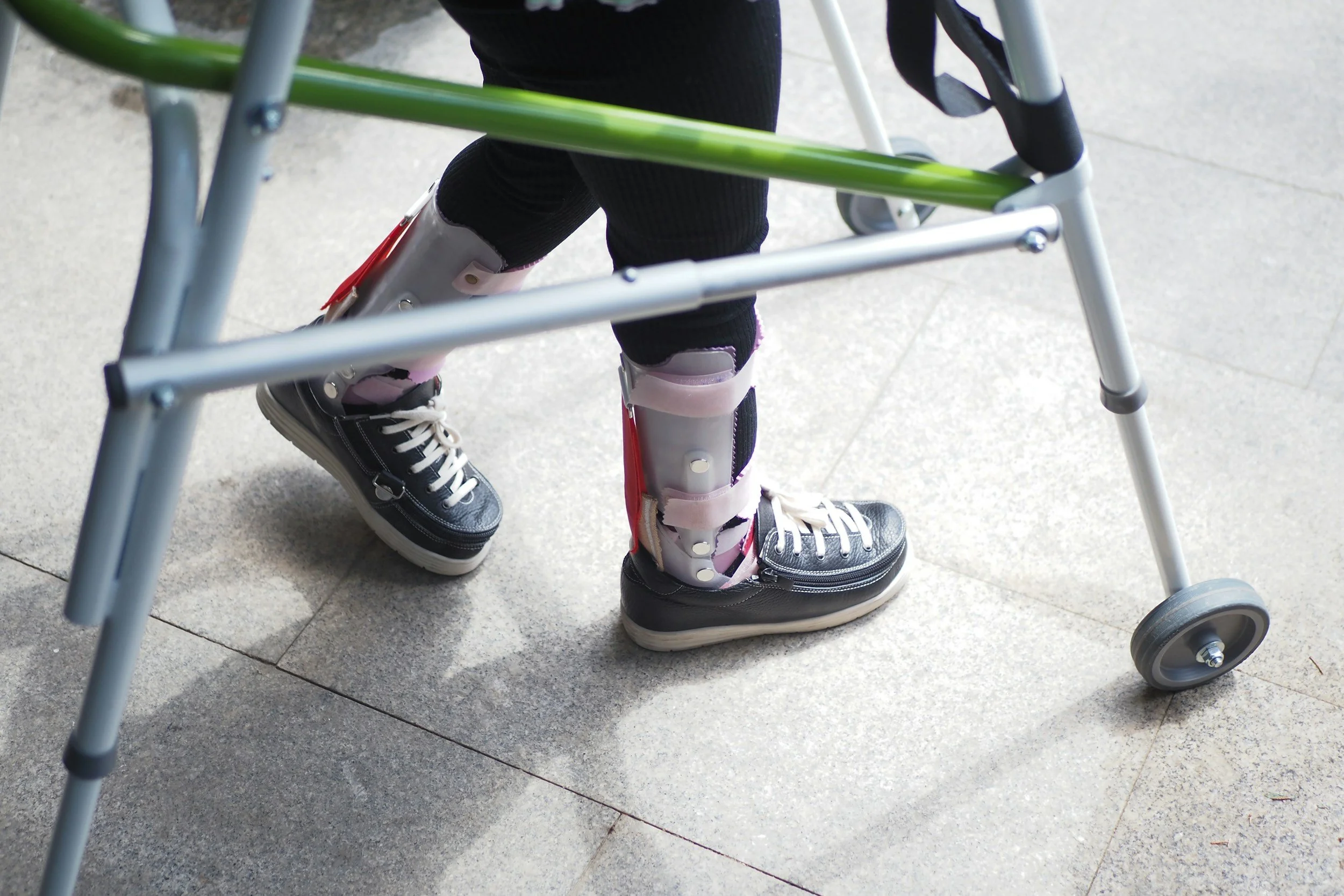
Many children struggle with learning new motor skills, but for some, these challenges go beyond typical developmental differences. Developmental Coordination Disorder (DCD) is a neurodevelopmental condition that affects a child's ability to plan, coordinate, and execute motor movements. These difficulties can impact participation in everyday activities at home, school, and in the community.
Fortunately, pediatric physical therapy can play a significant role in helping children with DCD improve coordination, build confidence, and develop the skills needed for successful participation in daily life.

What Is The Moro Reflex?
The Moro reflex—often called the “startle reflex”—is a primitive reflex present at birth. It’s an automatic, involuntary response to sudden changes in sensory input, such as loud noises, bright lights, or unexpected movement. When triggered, a baby will:
Quickly extend their arms and legs outward
Open their hands
Then bring their arms back toward the body (often appearing like a “hug” motion)
Frequently cry afterward

Why Participation in Home Program Drives Better Carryover in Physical Therapy
In physical therapy, progress doesn’t happen only in the clinic. What patients do between visits often determines whether gains made during treatment translate into meaningful, lasting improvements in daily life. This process, known as carryover of skills, is strongly influenced by a patient’s participation in a home exercise program (HEP).
Physical Therapy Services For Kids With Down Syndrome
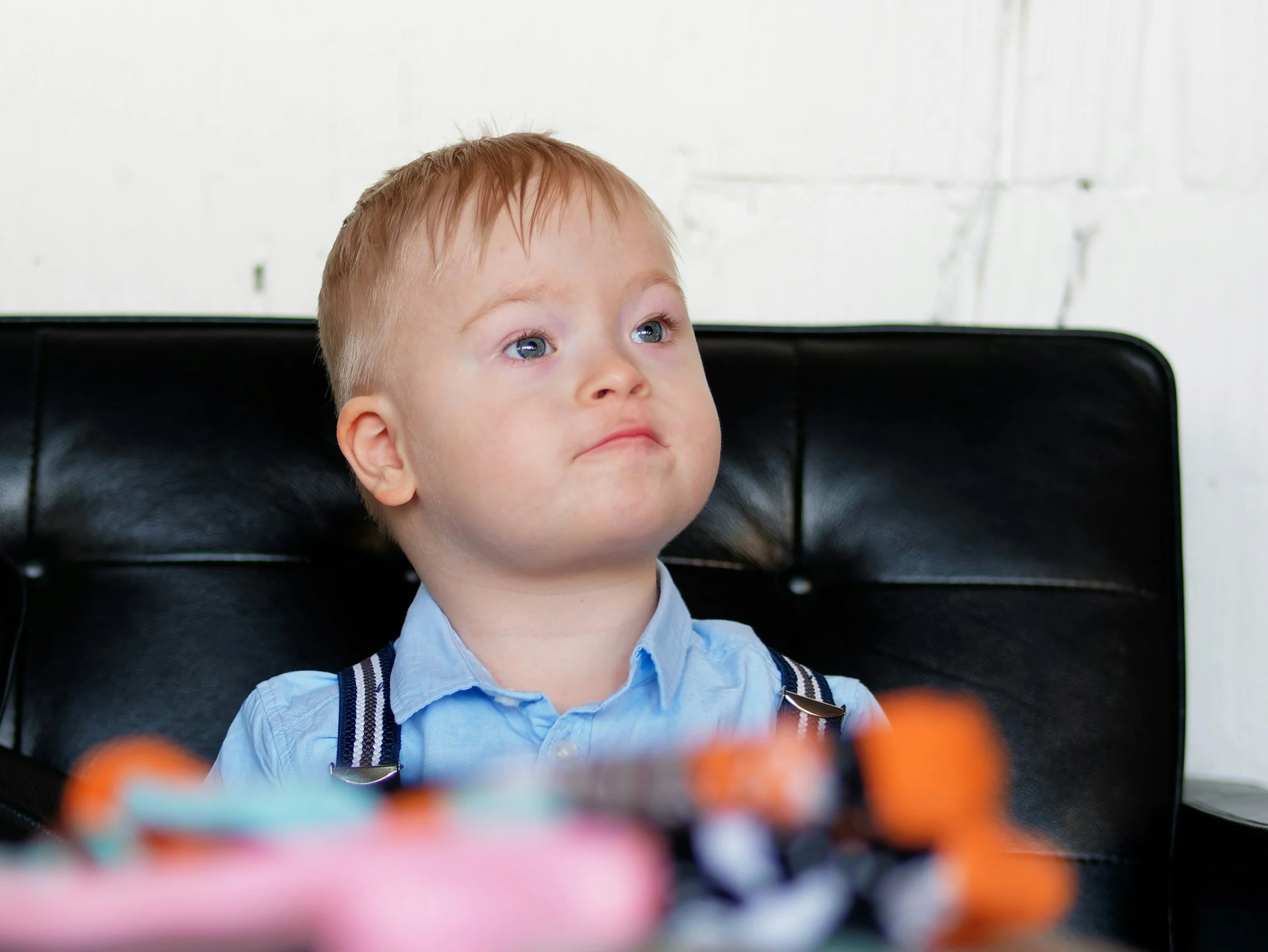
Down Syndrome, also known as Trisomy 21, is a genetic condition in which a child is born
with a duplication of chromosome number 21. Children with Down Syndrome often present
with developmental delays and appear behind in motor skills compared to same-aged
peers. With motor function, children with Down Syndrome may present with low muscle
tone, hypermobility, strength, balance, and postural deficits along with motor delays.
Physical therapists are movement experts that can help children improve their gross motor
skills, function, independence, and assist with these deficits that may be seen.
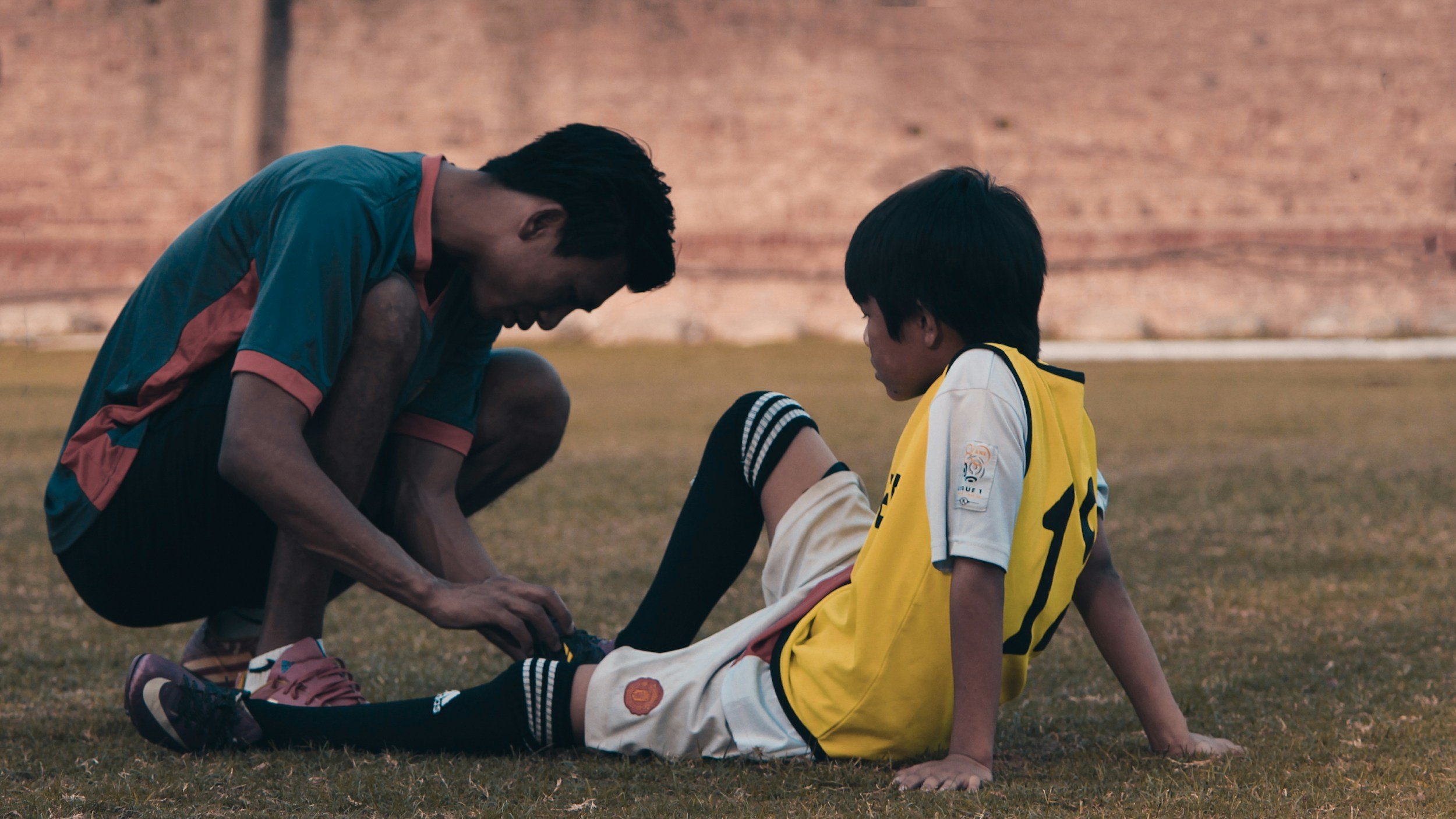
Pediatric Sports Injuries: When to See a Physical Therapist for Sprains and Strains
As youth sports continue to grow in popularity, so do the injuries that come with them. From soccer and basketball to gymnastics and track, kids are pushing their limits — and sometimes their bodies push back. While bumps and bruises are often part of the game, sprains and strains can be more serious, especially in for kids with growing bodies. Knowing when to seek professional help can make a big difference in how well and how quickly your child recovers.

Why Parent Participation & Follow-Through Are the Keys to Success in Pediatric OT, PT, and Speech Therapy
When a child receives occupational, physical, or speech therapy, the goal is always the same: to help them build the skills they need to thrive in everyday life. Therapists play an essential role in assessment, treatment planning, and skill-building—but the progress a child makes during weekly sessions is only one piece of the puzzle. The biggest gains often happen between appointments, and that’s where parents and caregivers make all the difference.
Below is a look at why parent involvement matters so much, what it really looks like day-to-day, and how you can support your child’s therapy journey for the best possible outcomes.
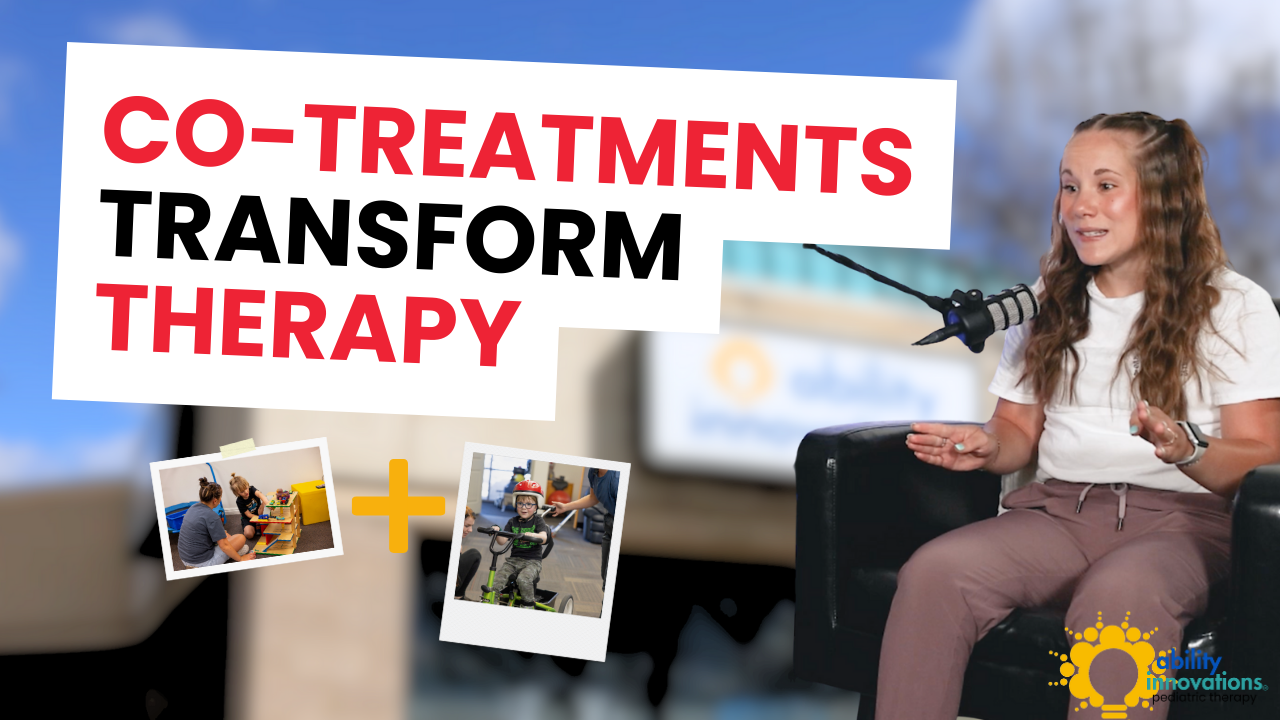
The Power of Two: How Co-Treatments Can Transform Your Child's Therapy
At Ability Innovations, our goal is to be interdisciplinary. We believe that by working together, we can provide better care and achieve greater success for the children we work with. According to Nick and Megan, co-treating offers several key benefits:
Better Outcomes: When two therapists from different specialties work together, a child often makes greater progress in both areas. The therapists can build on each other's work and augment the benefits of each session. For example, an OT might work on a child's core strength on a swing, while the SLP uses that regulated state to encourage communication and language skills.
Efficiency for Parents: Co-treating can significantly shorten the time a family has to spend at the clinic. Instead of attending two separate appointments, you can get two therapies in one session. This is a huge time-saver for busy families.
Holistic Care: Therapy isn't just about one specific skill; it's about helping a child function better in the world. By combining two disciplines, therapists can address multiple goals at once. Megan shared a great example of a scavenger hunt she did with an OT. While the child was working on fine motor skills and handwriting with the OT, Megan had them practice and write words that targeted their speech sounds.
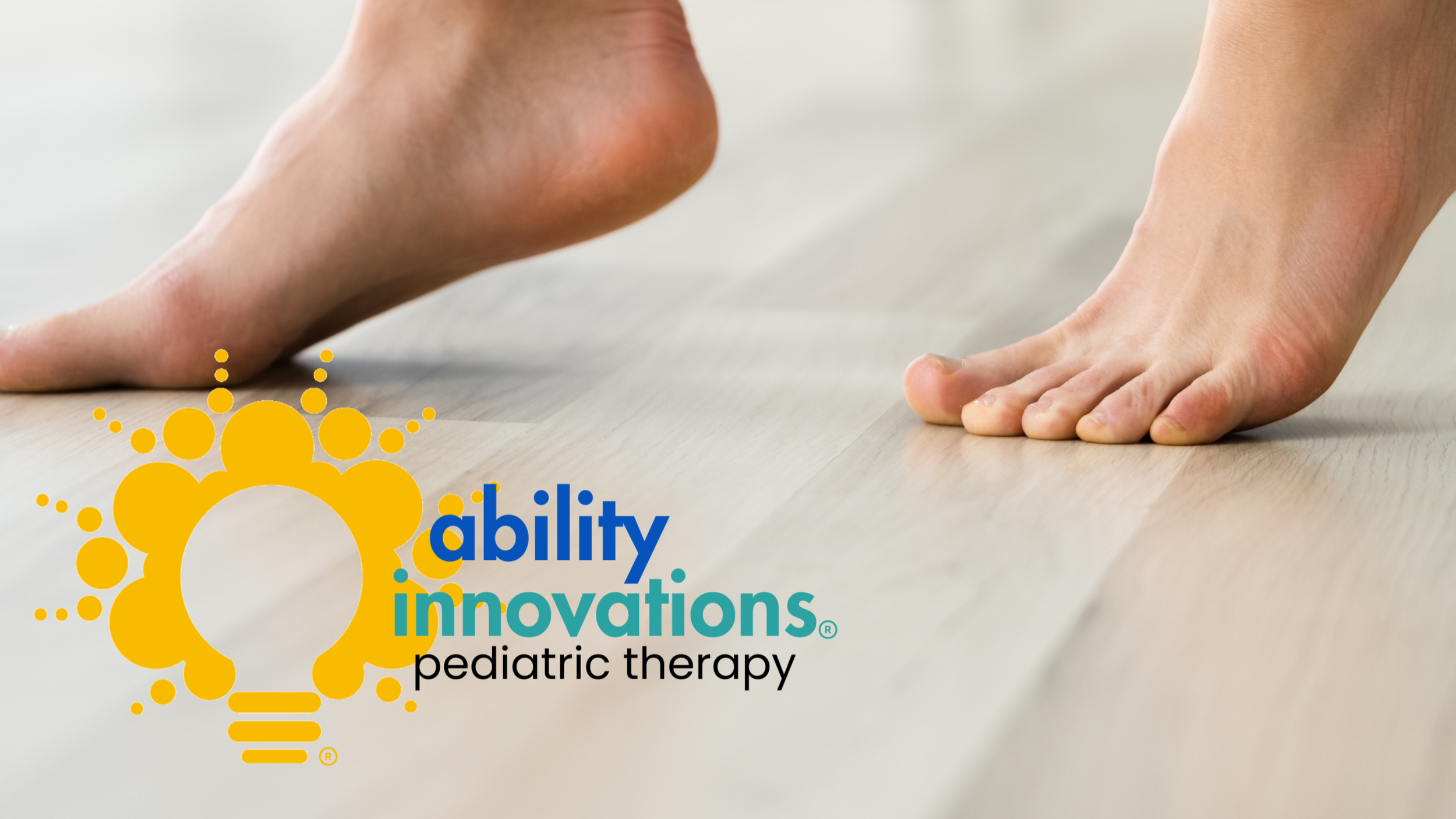
Why Consistent Toe Walking Shouldn’t Be Ignored
Toe walking is exactly what it sounds like: a walking pattern where a child walks on the balls of their feet without letting their heels touch the ground. It can be habitual, neurological, or linked to developmental or sensory issues.
While it may look harmless, consistent toe walking can lead to several physical and developmental issues if not properly addressed.