


Primitive Reflexes: What They Are, When They Integrate, and Why They Matter
Primitive reflexes are automatic, involuntary movement patterns that originate in the brainstem and develop during pregnancy. They are present at birth (and some emerge before birth) to help babies survive, develop, and interact with their environment. These reflexes are essential building blocks for neurological development and lay the foundation for movement, learning, emotional regulation, and sensory processing.

ARFID and Caregiving
Caregivers are the heroes with ARFID. They never stop thinking about or worrying about feeding their children. They celebrate when they eat. Cry when they don’t. Never stop worrying that this didn’t have to be so hard. They worry about what if a safe food disappears or if a favorite brand changes. They worry about the future of their kiddos. Of their health, independence and quality of life.

ARFID=Avoidant, Restrictive Feeding Intake Disorder
There is a lot of anxiety around food with someone with ARFID but sometimes it isn’t the result of just anxiety. It can be the result of Fear, Anxiety, Sensory Distress, Disgust, Uncertainty and Avoidance.

Pediatric Occupational Therapy: Not Just for Diagnoses—Helping Children Build Skills for Life
As parents, we all want our children to grow, learn, and participate confidently in the activities that make up their day. When challenges arise, it can be difficult to know whether your child needs therapy or if they will simply "grow out of it."
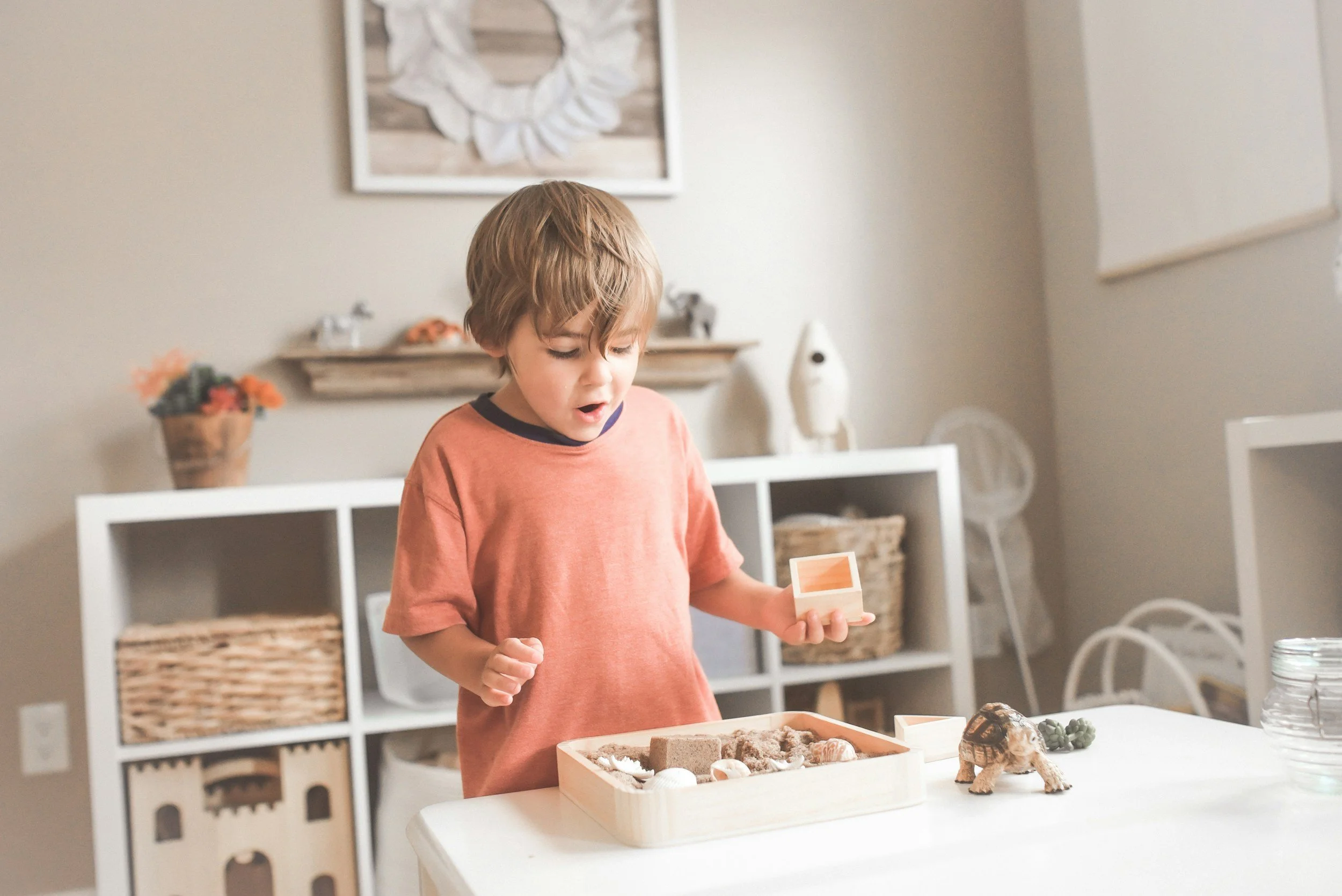
Language Milestones From Birth To Three
Every child is different and develops at their own pace, but here are some important language milestones to look out for. From babbling to your child putting together short sentences, each stage serves a role in your child’s language skills and development.

Sleep Hygiene for Children: An Occupational Therapist’s Guide for Better Sleep
As occupational therapists, we understand that sleep is not simply a period of rest—it is an essential occupation that supports a child’s development, learning, emotional regulation, sensory processing, and participation in daily life. When children do not get enough sleep, the effects are often felt throughout the entire family. A poor night of sleep can impact attention, behavior, mood, and overall functioning for both children and caregivers.
When children are running low on sleep, they may appear hyperactive, irritable, anxious, inattentive, or emotionally dysregulated. Improving sleep can often lead to improvements in many areas of daily functioning.
Many sleep difficulties can be improved through consistent sleep hygiene practices. Sleep hygiene refers to habits, routines, and environmental factors that support healthy, restorative sleep. Below are evidence-informed strategies that parents can use to help their children develop healthier sleep patterns.
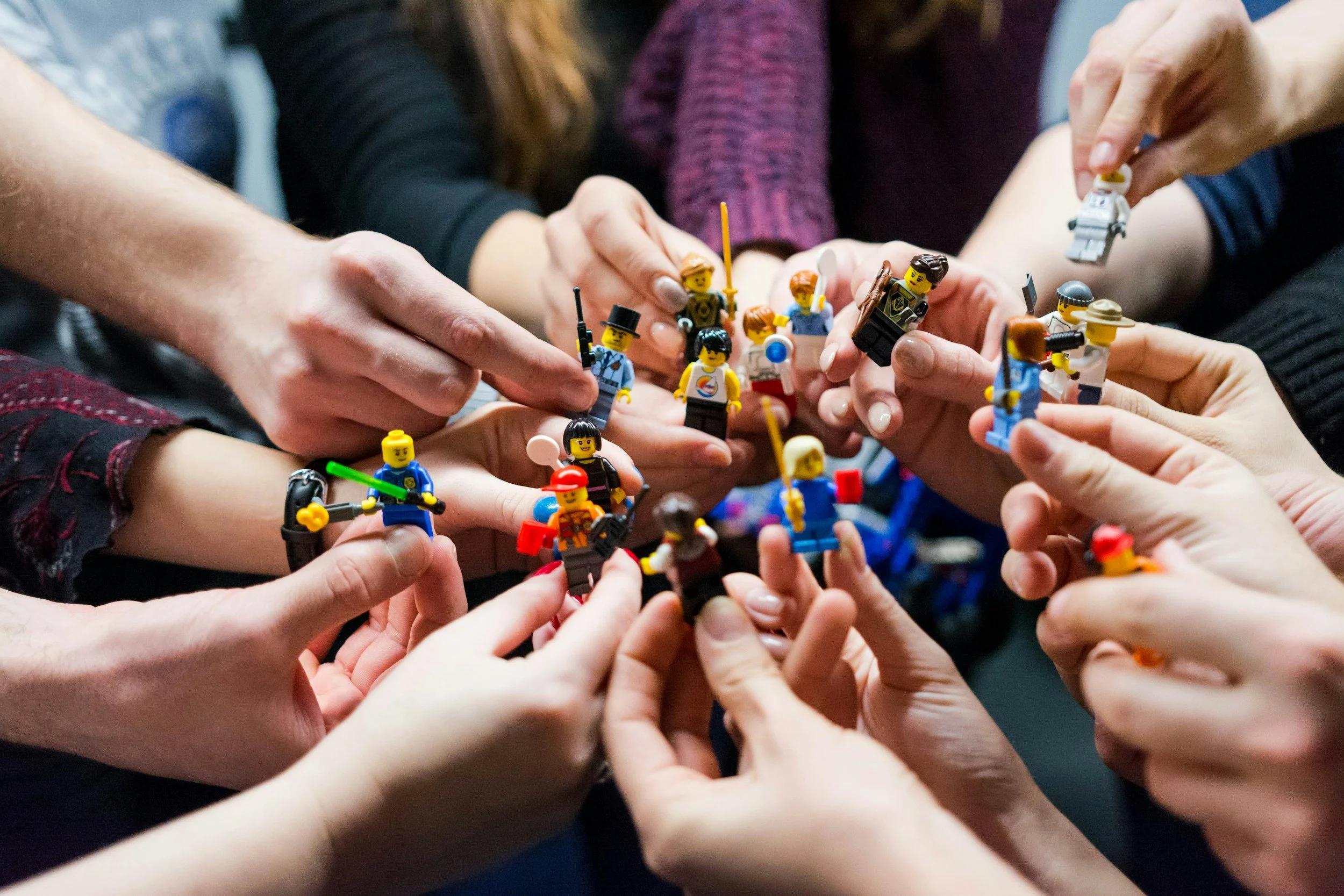
Fine Motor Skills By Age
Fine motor skills involve the small muscles of the hands and fingers that allow children to complete everyday tasks such as feeding themselves, getting dressed, coloring, writing, and manipulating toys. These skills develop gradually throughout childhood and play a significant role in a child's independence, confidence, and success at school. In therapy, I often remind parents that children don't build hand strength by completing handwriting worksheets alone. They build it through play—climbing, digging in sensory bins, building with blocks, and manipulating toys. Those playful experiences lay the foundation for later handwriting and self-care skills.