


Fine Motor Skills By Age
Fine motor skills involve the small muscles of the hands and fingers that allow children to complete everyday tasks such as feeding themselves, getting dressed, coloring, writing, and manipulating toys. These skills develop gradually throughout childhood and play a significant role in a child's independence, confidence, and success at school. In therapy, I often remind parents that children don't build hand strength by completing handwriting worksheets alone. They build it through play—climbing, digging in sensory bins, building with blocks, and manipulating toys. Those playful experiences lay the foundation for later handwriting and self-care skills.

🧩 7 Signs It’s Time for an Occupational Therapy Evaluation
As parents, we all want our children to feel confident, capable, and happy in their everyday routines — whether that’s getting dressed, writing their name, or making friends on the playground. But sometimes, certain skills don’t come as easily as we expect. That’s where occupational therapy (OT) can help.
Are You Worried About Dysgraphia?
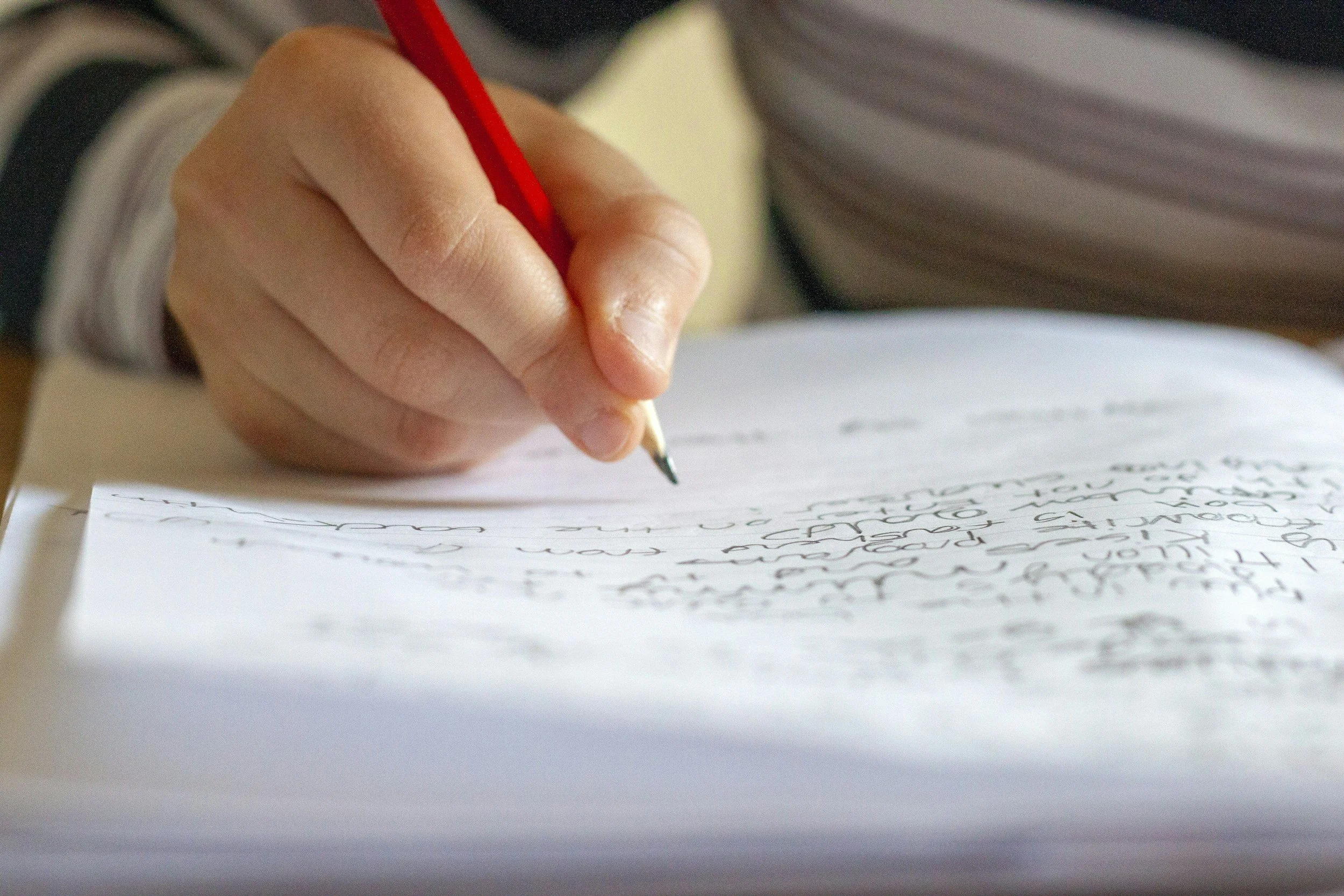
Dysgraphia is a neurological condition that affects a child’s ability to write legibly and make it readable. It basically impacts handwriting, spelling, and organizing thoughts on paper, often making writing tasks more challenging than their peers, despite normal intelligence and adequate instruction. Common signs include illegible handwriting, inconsistent letter formation, floating letters, spacing issues, difficulty with grammar and punctuation, and/or slow writing speed. It may also involve trouble with fine motor skills needed for writing, like the grasp on a pencil, small movements of the hand while writing, and eye-hand coordination.