

🧩 7 Signs It’s Time for an Occupational Therapy Evaluation
Melissa Perez, OTR/L
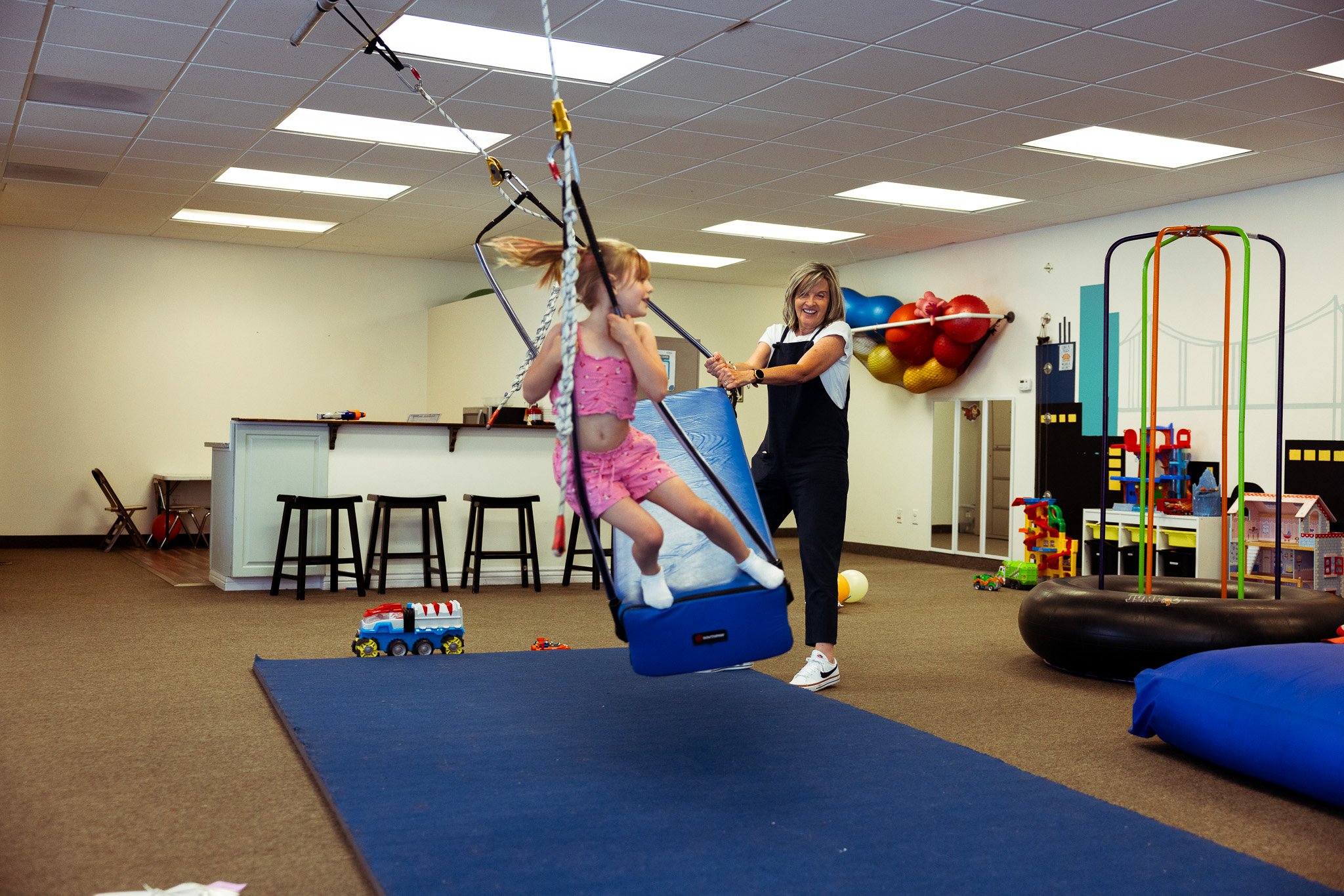
As parents, we all want our children to feel confident, capable, and happy in their everyday routines — whether that’s getting dressed, writing their name, or making friends on the playground. But sometimes, certain skills don’t come as easily as we expect. That’s where occupational therapy (OT) can help.
Pediatric occupational therapists specialize in supporting children’s development, independence, and participation in daily activities through play-based, purposeful interventions. If you’ve ever wondered whether your child might benefit from an OT evaluation, here are seven signs that it may be time to take that next step.
1️⃣ Difficulty with Fine Motor Skills
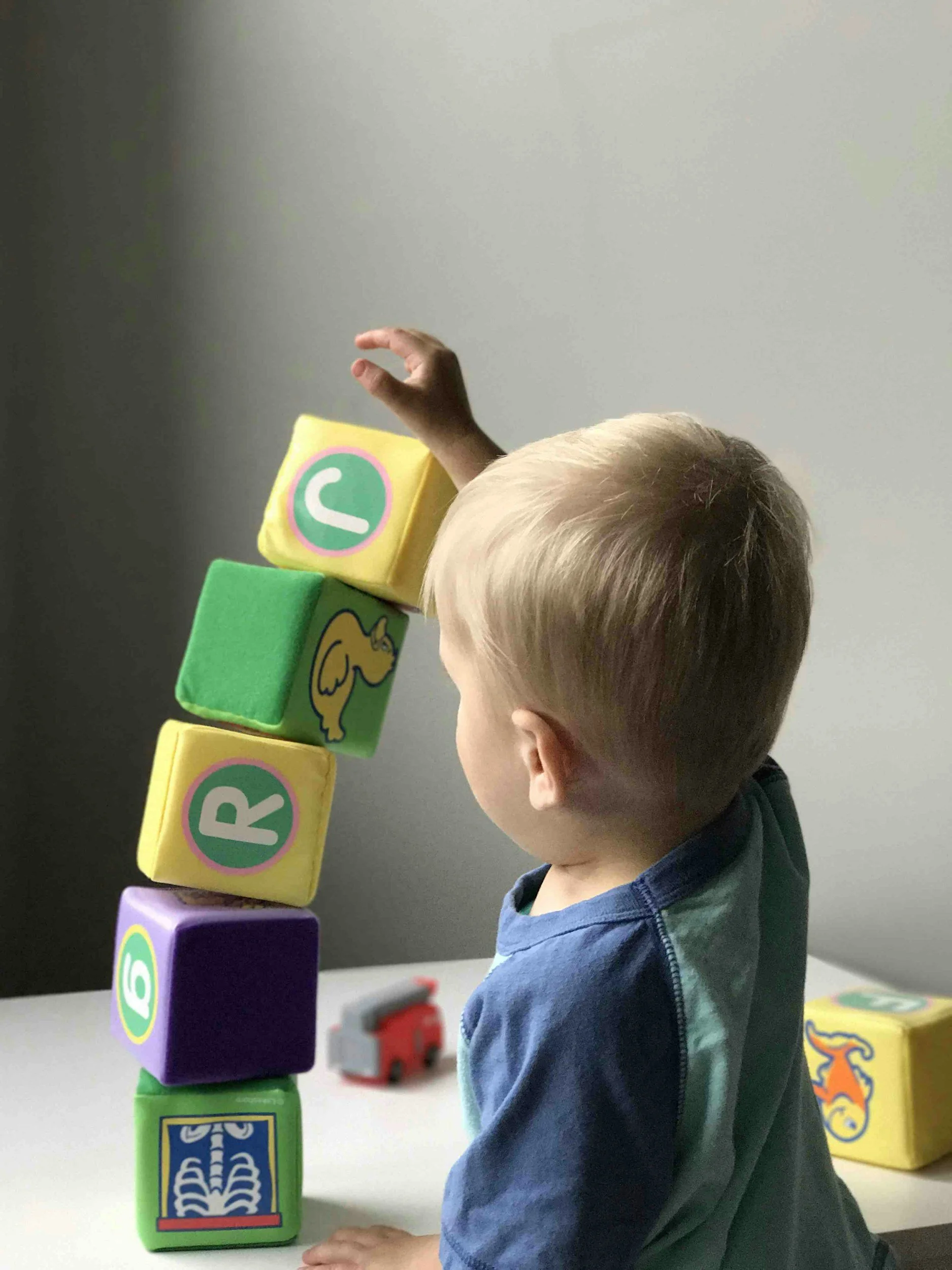
If your child struggles with tasks like holding a pencil, using scissors, buttoning shirts, or managing utensils, this could indicate challenges with hand strength, dexterity, or motor planning. OT helps build these foundational skills so children can participate more independently in school and self-care routines.

2️⃣ Delays in Self-Help or Daily Living Skills
Does your child resist dressing, brushing teeth, or feeding themselves? While every child develops at their own pace, consistent difficulty with age-appropriate self-care tasks may suggest delays in motor coordination, sensory processing, or sequencing skills.

3️⃣ Challenges with Sensory Processing
Some kids seek out sensory input by crashing, spinning, or chewing on objects — while others avoid it, covering their ears, refusing certain textures, or becoming overwhelmed by noisy or bright environments. OTs are trained to assess sensory processing differences and create personalized strategies to help children feel more comfortable and regulated.

4️⃣ Trouble Paying Attention or Sitting Still
If your child frequently fidgets, zones out, or can’t stay on task, it might be more than just “energy.” Difficulties with body awareness, sensory regulation, or postural control can impact focus and attention. OT can address these foundational skills to support success in school settings.
5️⃣ Emotional Regulation or Behavior Concerns
Tantrums, meltdowns, or difficulty transitioning between activities can sometimes stem from underlying sensory, motor, or communication challenges — not just behavior. Occupational therapy helps children learn coping strategies and emotional regulation tools to handle everyday frustrations.

6️⃣ Poor Coordination or Motor Planning
Does your child have trouble catching a ball, pedaling a bike, or moving through obstacle courses? These may be signs of dyspraxia (motor planning difficulties) or coordination challenges. OTs use fun, play-based activities to improve body control, balance, and confidence in movement.

7️⃣ Concerns from Teachers or Caregivers
If teachers or caregivers mention that your child struggles with focus, handwriting, transitions, or social play compared to peers, it may be worth exploring an OT evaluation. Early intervention can make a big difference in a child’s confidence and skill development.

💡 The Takeaway
Every child is unique, and differences in development are normal. However, if your child consistently struggles in one or more of these areas, an occupational therapy evaluation can provide valuable insight — and the right support to help your child thrive.
If you have questions or want to discuss whether OT might benefit your child, reach out to a pediatric occupational therapist near you. Early support leads to lifelong success!