


Sensory Avoidance Vs. Sensory Seeking
In the world of occupational therapy, sensory processing plays a vital role in helping individuals navigate their daily lives. Two common sensory patterns—sensory avoidance and sensory seeking—represent opposite ends of the sensory spectrum. Sensory avoidance refers to individuals who are overwhelmed or distressed by certain sensory input, such as bright lights, loud noises, or specific textures. These individuals often withdraw from stimuli, preferring quiet, calm environments. In contrast, sensory seekers actively crave sensory input and may engage in behaviors like touching everything around them, making loud noises, or constantly moving.

Why Consistent Toe Walking Shouldn’t Be Ignored
Toe walking is exactly what it sounds like: a walking pattern where a child walks on the balls of their feet without letting their heels touch the ground. It can be habitual, neurological, or linked to developmental or sensory issues.
While it may look harmless, consistent toe walking can lead to several physical and developmental issues if not properly addressed.
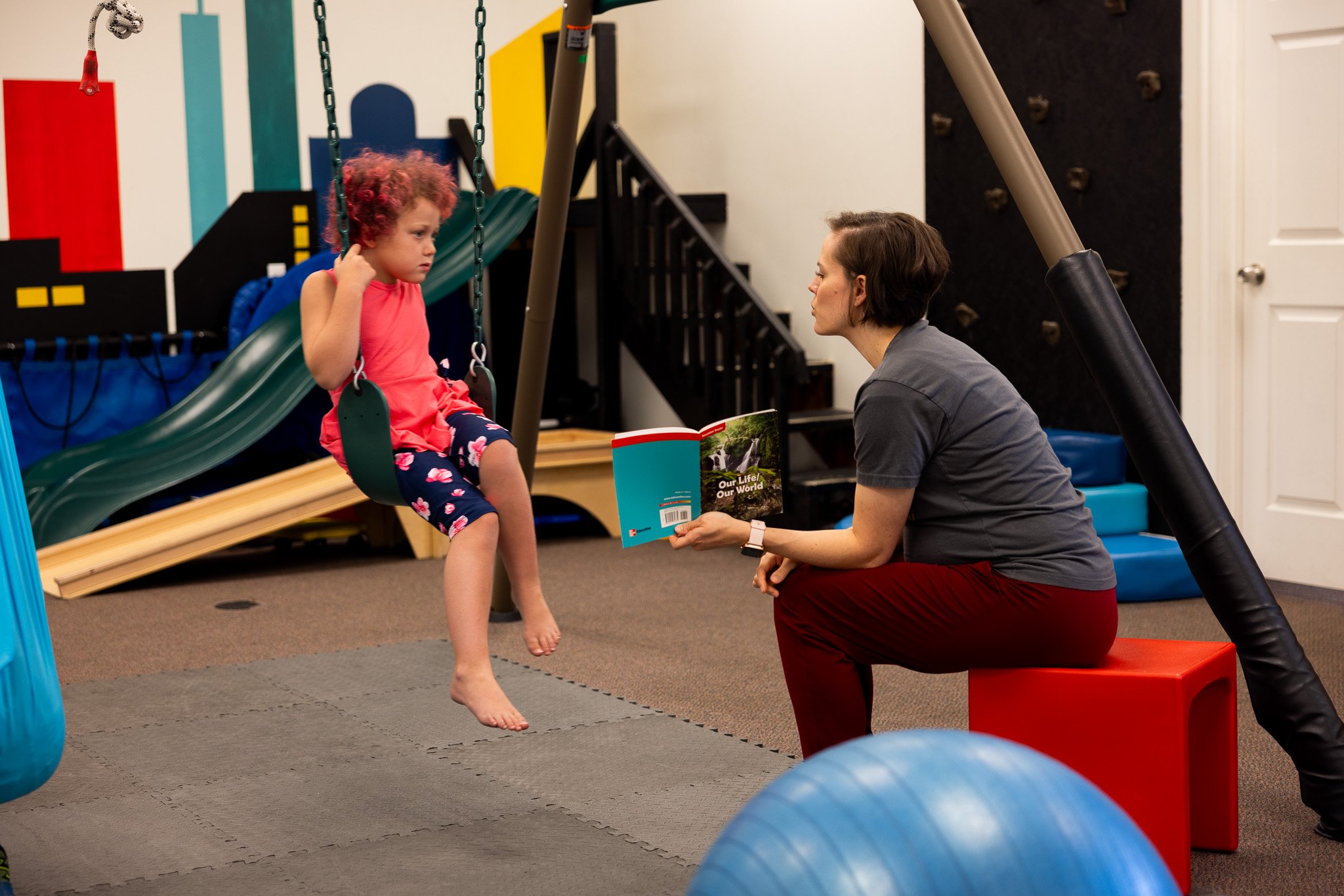
Is Your Child Struggling? Here’s What to Know About Pediatric Speech Therapy
If you've ever wondered about the signs of a language delay in a child or the benefits of speech therapy, the video "What Is Pediatric Speech Therapy?" by Ability Innovations provides a helpful overview. The video focuses on pediatric speech therapy for children from birth to 21 years old and highlights a play-based approach to treatment.

Bedtime Strategies To Help My Child Wind Down
If you're a parent of a child who receives pediatric occupational therapy, chances are you've seen how sensory needs, emotional regulation challenges, or developmental differences can affect your child’s sleep. Bedtime can become a battleground—or a never-ending routine of delays, restlessness, and midnight wake-ups. The good news? There are strategies that can help. Occupational therapy often addresses not only daytime functioning but also nighttime routines, because sleep is foundational to your child's development, behavior, and overall well-being.
Here are some OT strategies you can try to help your child wind down and stay asleep:

Building Your Village: Why Parent Support Meetings Are Essential for Special Needs Families
Raising a child is a journey filled with unique joys and challenges. But for parents of children with autism and other disabilities, that journey often comes with an extra layer of complexity. From navigating specialized therapies to advocating for your child's needs in various settings, it's a marathon, not a sprint. And sometimes, the most challenging part isn't even within the home – it's the lack of understanding from those around us.

Home Exercises for Left Torticollis
Home Exercise for Left Torticollis
Exercises to stretch left sternocleidomastoid muscle with right side-bending, left rotation,
and extension. Please reach out if you have any questions.

Empowering Self-Care: Occupational Therapy Tips for Neurodivergent Kids

Picky Eating, Sensory Aversion, or Something More? Understanding ARFID

How to Help Kids Handle Frustration in the Moment: Using Coping Strategies When They Matter Most

Why Advocating for Your Child with Autism Matters in Medical Billing

The Power of Presence: Understanding the Therapeutic Use of Self in Therapy

Understanding PDA From A Professional Mom

Ways to Promote Gross Motor Skills in the Summer

From Speech Sessions to Superpowers: Empowering Parents Through Therapy Unmasked

Climbing Rocks And Beyond

Cooking with a Purpose: How to Include Kids in Meal Prep to Support Feeding Therapy

🌟 From Engineer to Empoweree: Angela’s Journey in Pediatric Occupational Therapy

Parenting Styles In Feeding

Go-To Toys to Promote Language Development
