

Nick Sidwell, OTR/L
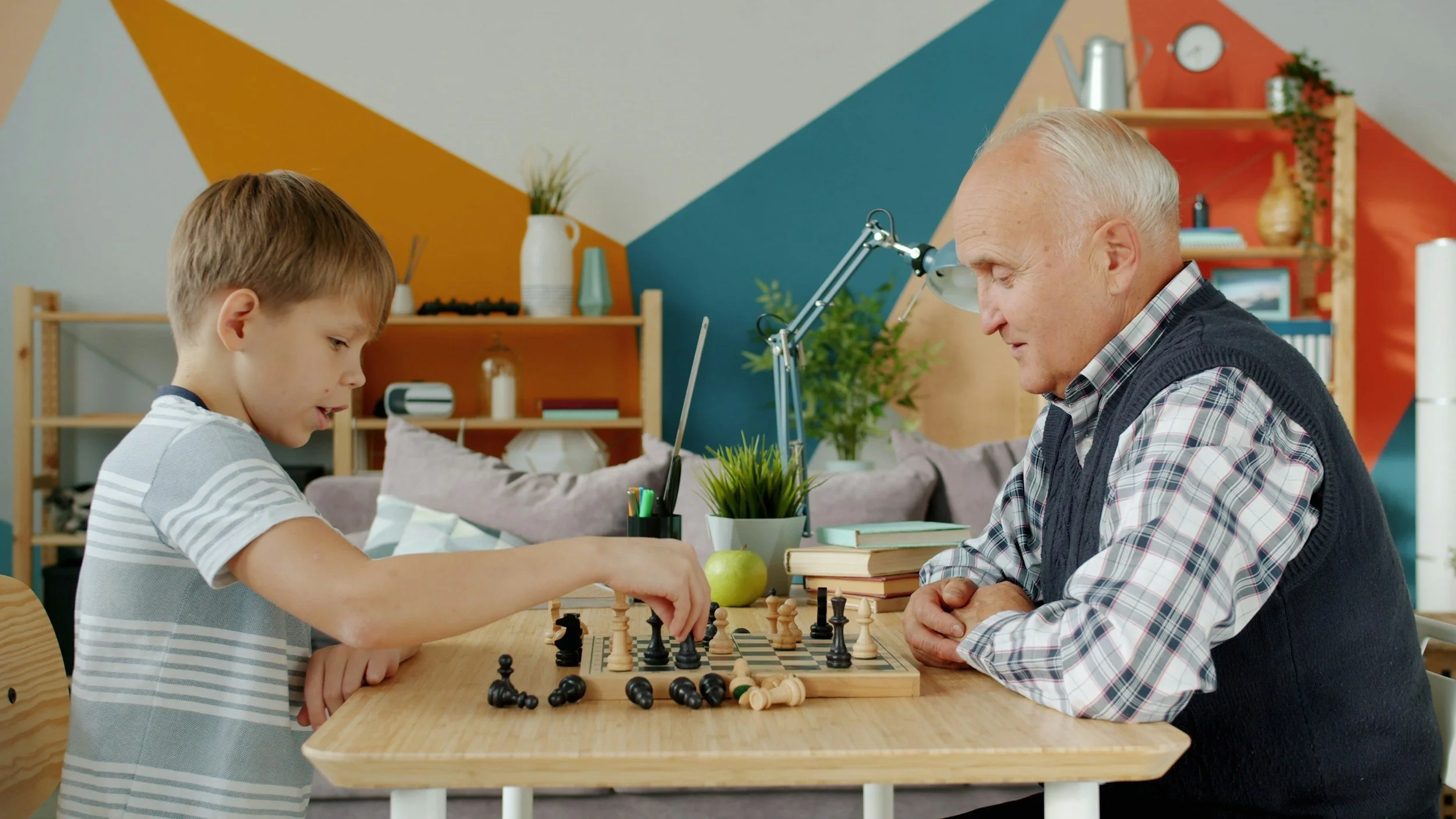
This world is fueled by fast-pace information and shortening attention spans. One question comes to the surface… “Do we need to provide Boredom Breaks like we started giving our kids Tummy Time?”

According to the latest research, boredom is not just good for kids but actually valuable for their growing brains and overall development.
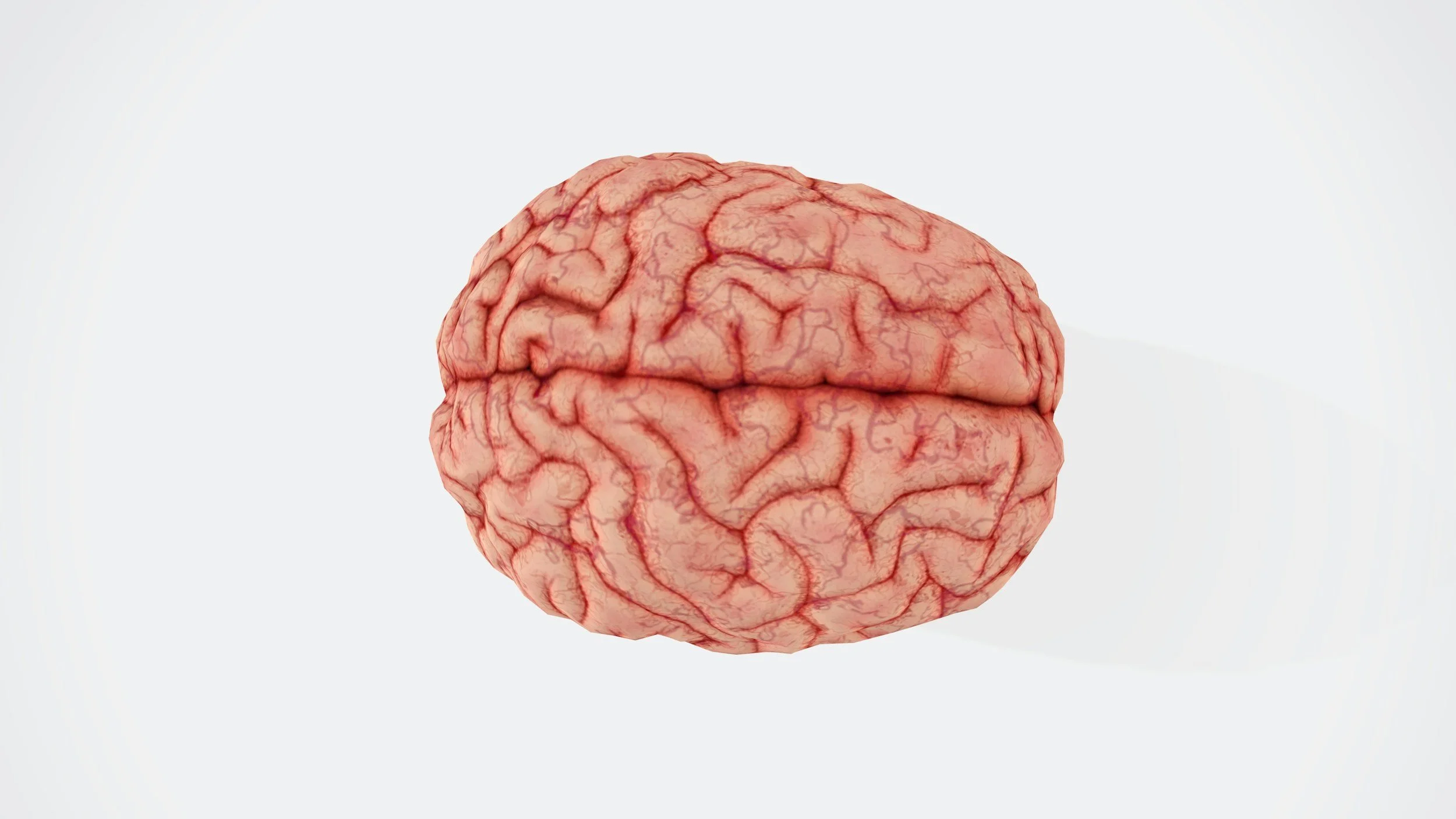
Boredom fuels creativity and imagination. When the brain isn’t being fed constant stimulation, it naturally starts wandering inward. This “default mode network” (the brain’s daydreaming system) begins making loose, playful, unexpected connections—exactly the kind that fuel creativity. Children often generate their most imaginative play after they’ve moved through that uncomfortable “I’m bored” stage. It strengthens problem-solving skills. Boredom creates a kind of mental “itch” to do something meaningful or engaging. That discomfort nudges the brain to invent new ideas, seek new solutions, or explore new activities. It’s essentially a catalyst that pushes us to figure things out ourselves.
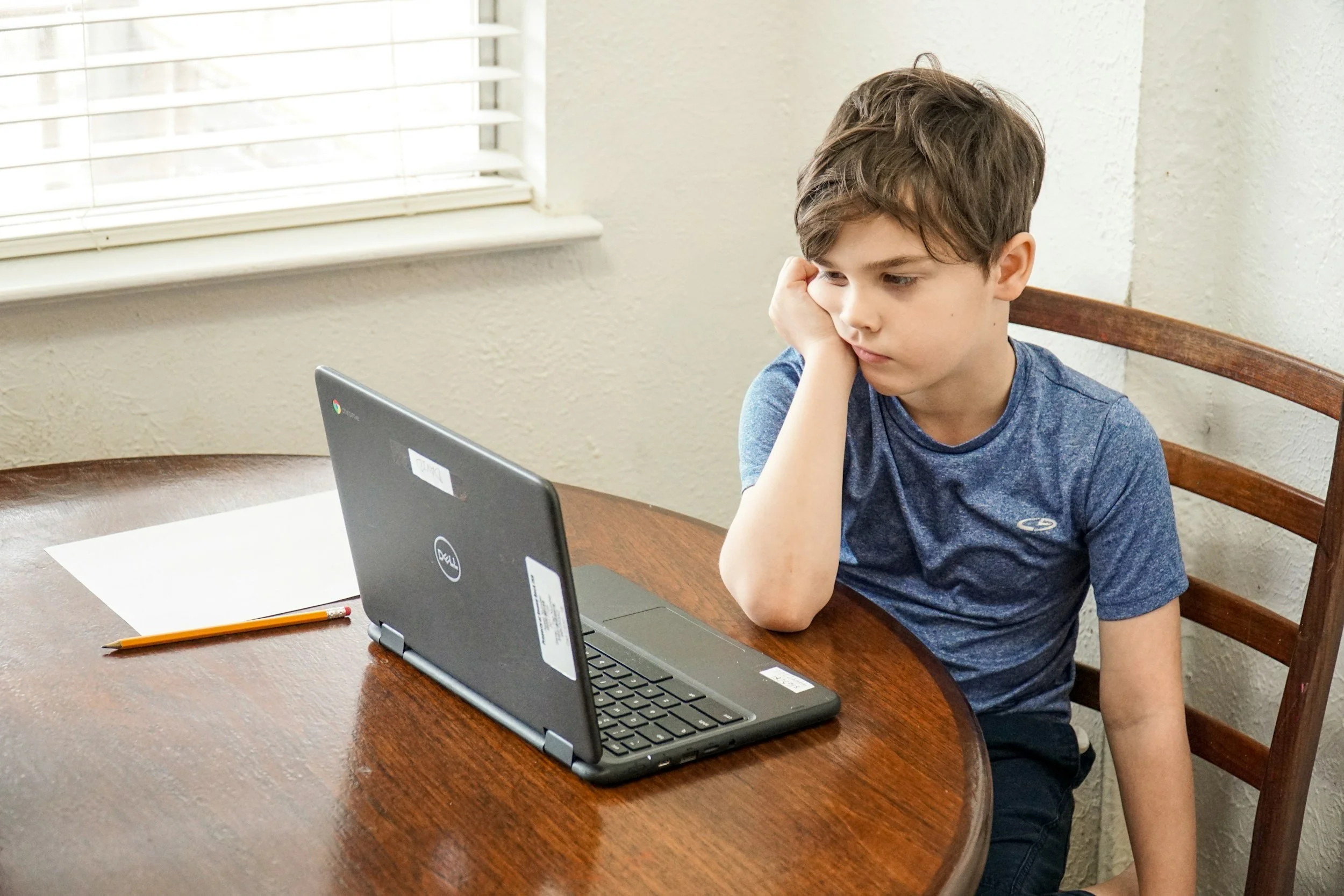
It builds resilience and frustration tolerance. Being bored is a small, manageable stressor. Learning to tolerate it without melting down helps wire the brain for patience, emotional regulation, and flexible thinking. For kids, this builds the capacity to self-soothe and adapt—skills they’ll rely on for the rest of their lives.It creates space for self-reflection. When the mind goes quiet, we start hearing our internal world more clearly. Boredom opens the door for noticing feelings, processing experiences, and understanding ourselves.This reflective time supports mental well-being and can even help reduce anxiety that comes from constant activity or distraction. It strengthens intrinsic motivation. If kids are always entertained by adults or devices, they rely on external stimulation. Boredom encourages them to seek interest from within—finding personal passions, inventing games, or turning to creative pursuits. This “self-generated” motivation is strongly linked with long-term engagement and confidence. It helps the brain rest and reset.

Neural systems need time to idle. Just like muscles need rest to grow, the brain needs downtime to consolidate memories, sort through information, and maintain healthy functioning. Boredom is often the brain’s way of saying, “I need a moment.” It supports executive functioning. Navigating boredom requires planning (“What should I do?”), flexibility (“That idea didn’t work—what else?”), and sustained attention (sticking with a self-chosen activity). All of these skills live in the prefrontal cortex—our mental “control center”—and boredom provides natural practice time. It encourages exploration and curiosity. Once you move through the initial discomfort of boredom, the brain becomes more open to noticing little details, textures, and possibilities in the environment. Kids who have regular unstructured time tend to explore more and develop broader interests.
Why This Matters?
In our overstimulated world—especially for children—boredom has become something that kids feel really uncomfortable with. However, boredom’s benefits are extremely beneficial: enhancing creativity, resilience, self-awareness, and neurological rest. Allowing ourselves or our kids to experience boredom (even though they feel uncomfortable) isn’t a parenting failure; it’s an investment that pays out in the future.