

Mia Scott, CF-SLP
Learning to talk begins with several different foundational steps that you as parents can work on at home to support your child’s communication abilities.
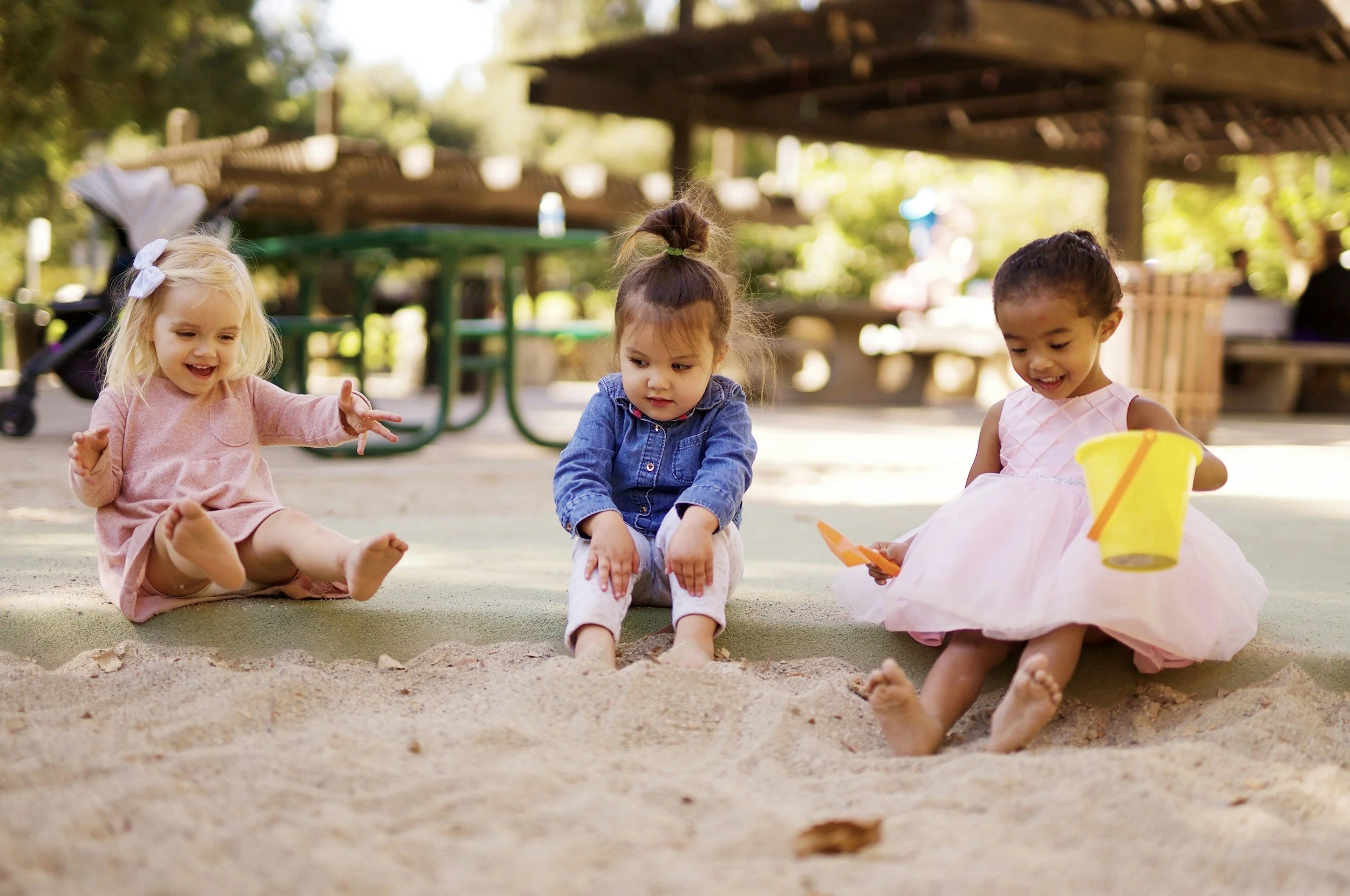
Responding To Environment and People
This skill involves your child looking towards, reacting to, and engaging with different environmental noises/actions/events. To develop this skill, introduce your child to a variety of objects, toys, and songs. Your child is learning to interact with and respond to their environment, which is foundational for communication!
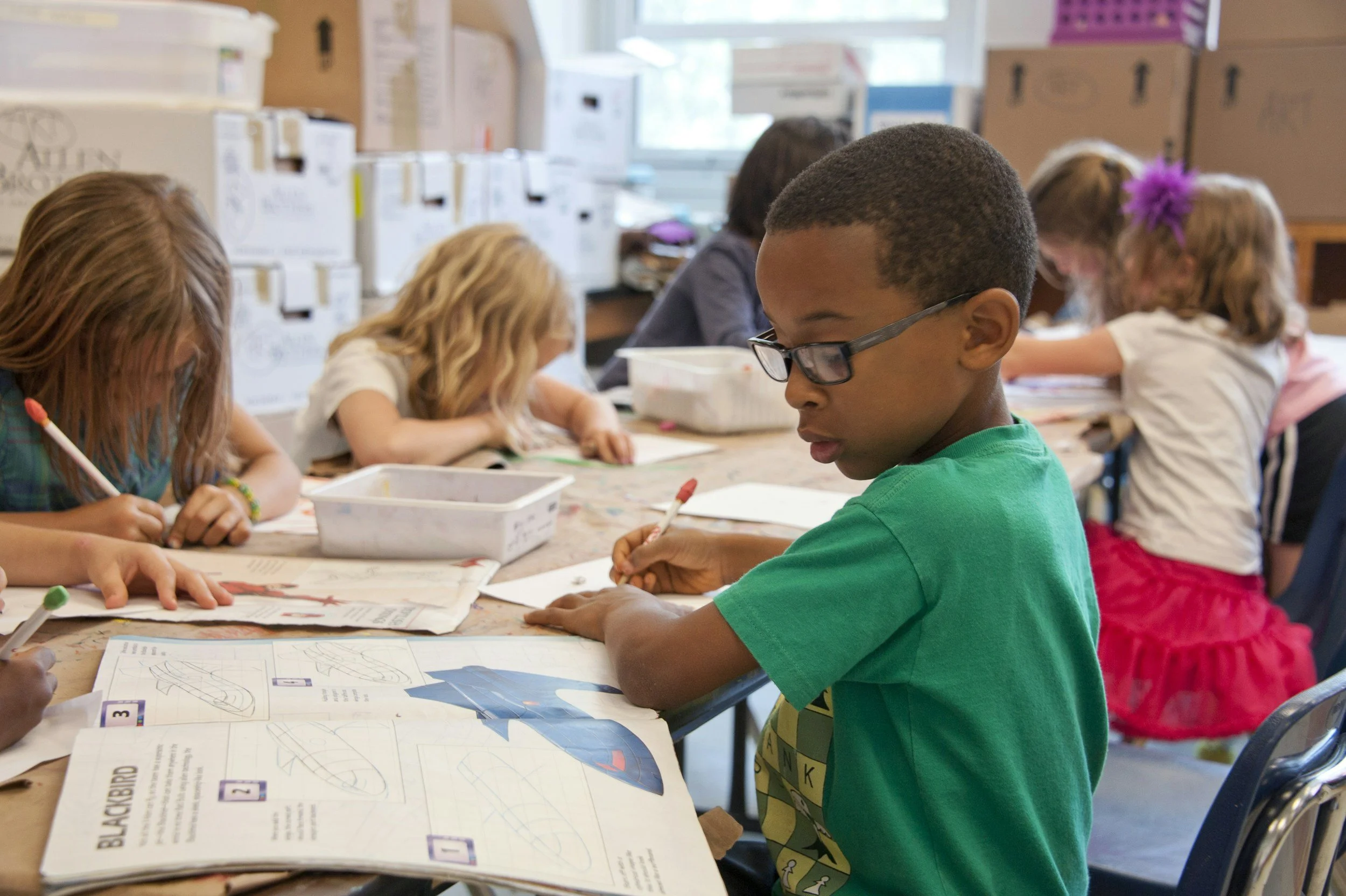
Shared Attention
This is when you and your child attend to the same thing. Work on this skill by reacting to environmental noises/events and looking towards your child then back at the source. Look at books together or take turns blowing and popping bubbles!

Turn Taking
Learning to take turns allows children to participate in conversation and have meaningful interactions with others. Trade items and take turns in play with your child to help develop this skill.

Attention Span
Helping your child increase their attention expands their ability to learn new things, including communication skills. Build up their tolerance to an activity by increasing the length of the game/task each time you do it. Make it fun and engaging for young children by adding movement or songs.

Imitating And Gestures
Your child will learn by copying sounds, gestures, actions, and words. Model simple sounds or gestures that happen in play. For example shaking your head while saying no or modeling “beep beep” as you drive a toy car when playing with your child.
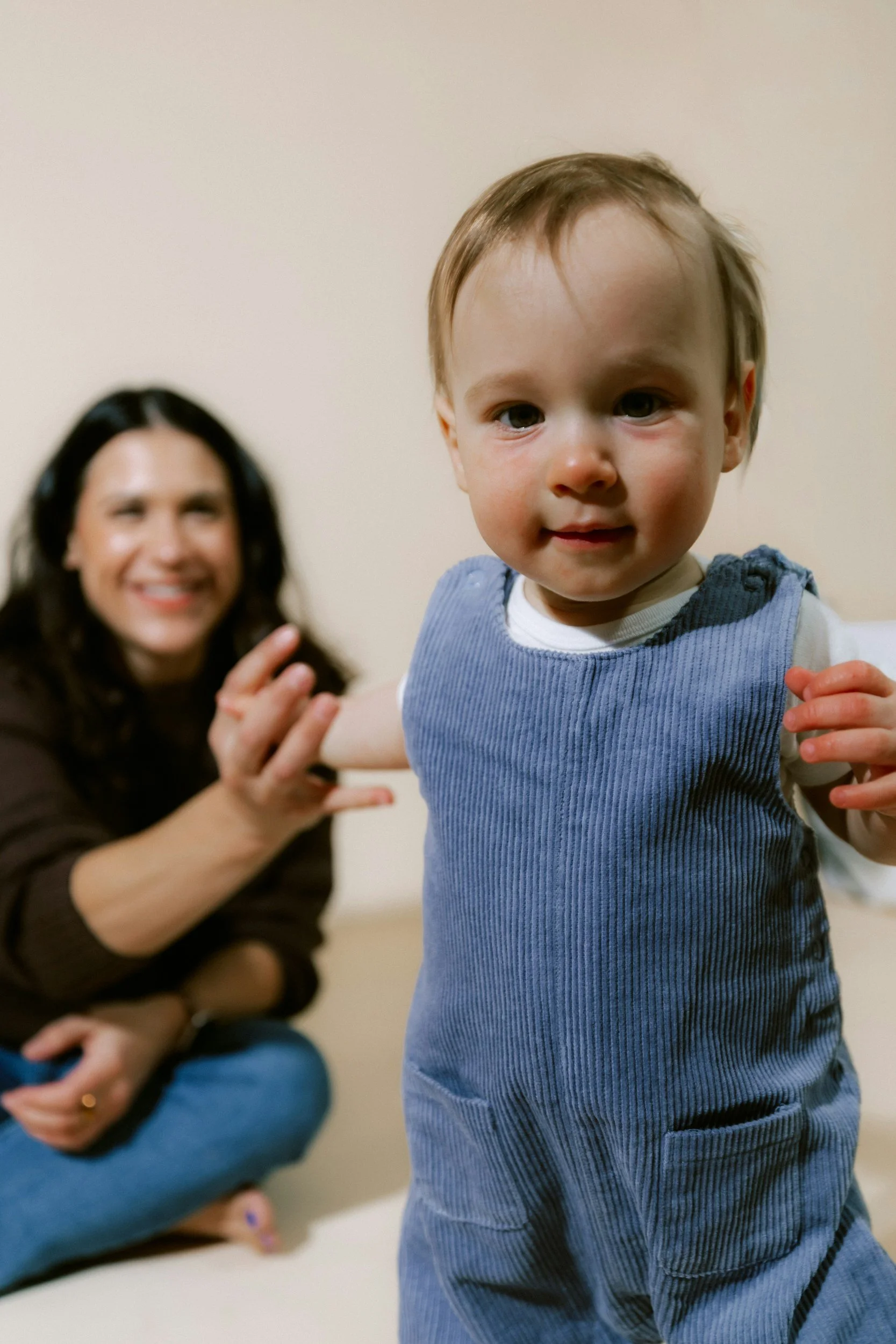
Imitating Interaction And Play
Help your child learn to initiate interactions by giving them the opportunity to request things from you.