

Morgan Harper, PT, DPT
As youth sports continue to grow in popularity, so do the injuries that come with them. From soccer and basketball to gymnastics and track, kids are pushing their limits — and sometimes their bodies push back. While bumps and bruises are often part of the game, sprains and strains can be more serious, especially in for kids with growing bodies. Knowing when to seek professional help can make a big difference in how well and how quickly your child recovers.
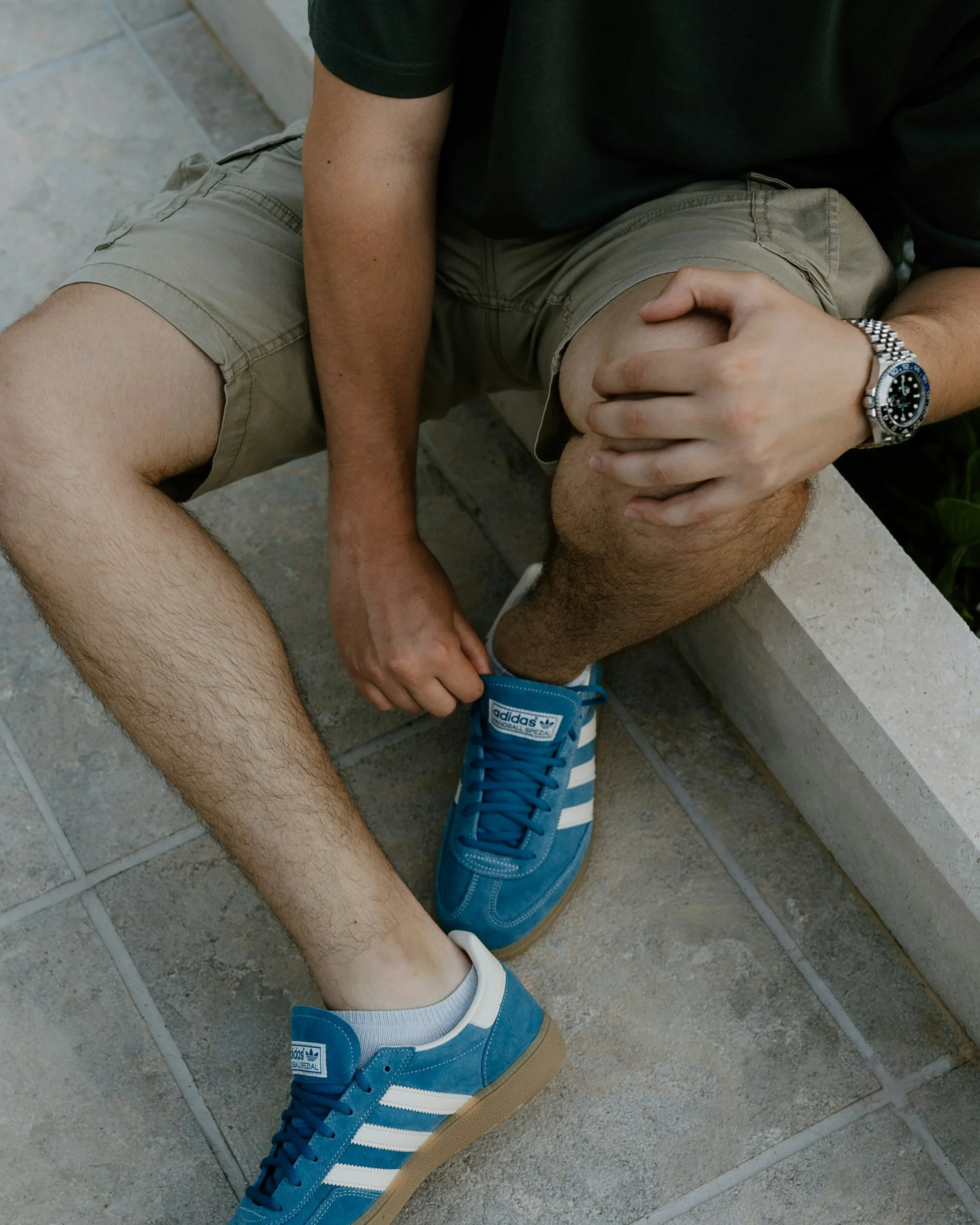
What are Sprains and Strains?
Sprains – injuries to ligaments (which attach bone to bone), commonly in the ankles, knees, or wrists.
Strains – injuries to muscles or tendons (which attach muscle to bone), frequently seen in the hamstrings, calves, or shoulders.
But children aren’t just “small adults.” Their bones are still growing and they have growth plates, where tissues are still developing, that make injuries more complex. What looks like a simple strain could involve a growth plate, which requires specialized care.
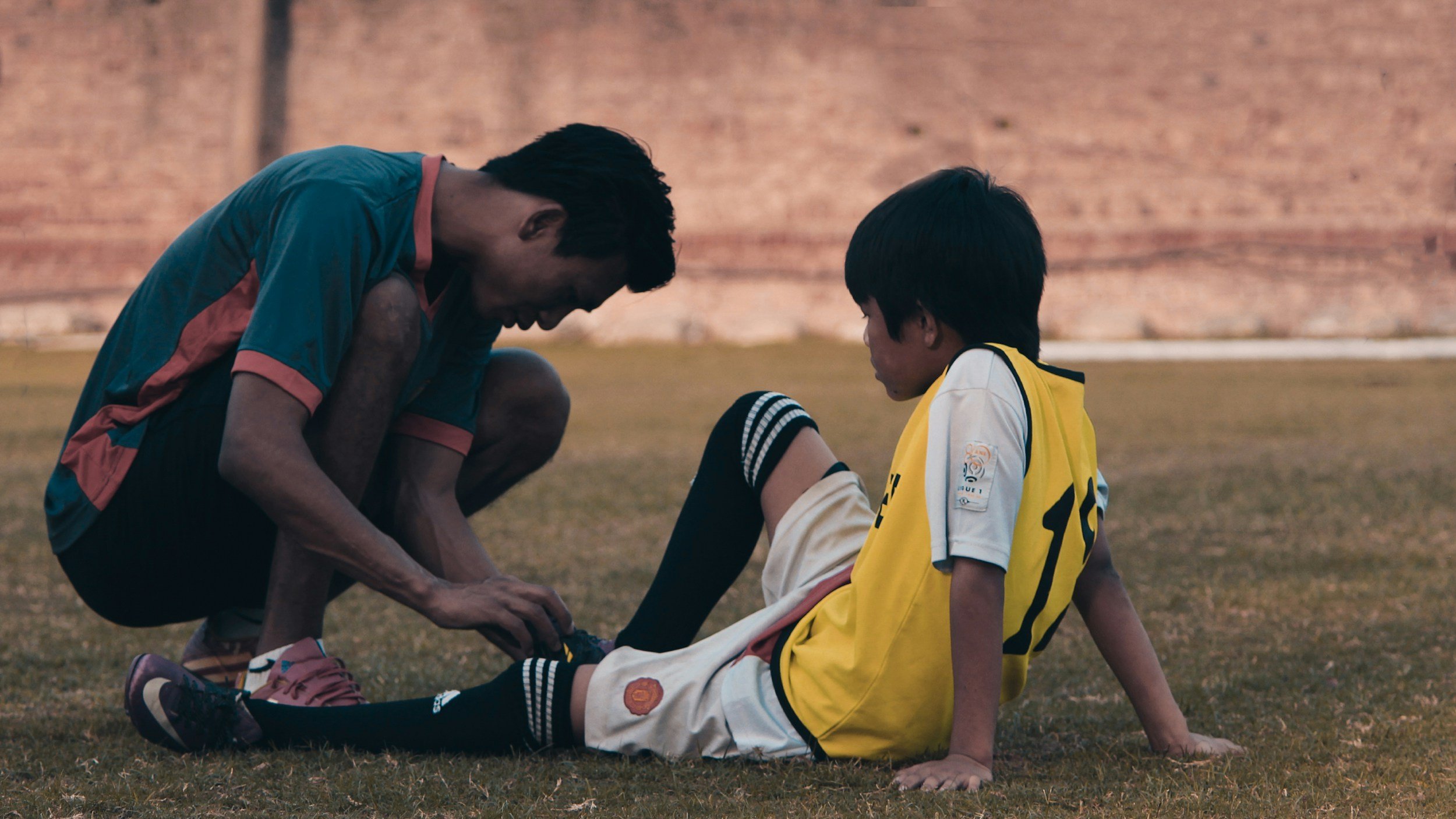
Common Signs and Symptoms of Sprains or Strains in Children
Typically have a mechanism of injury, meaning that something happened to cause the body to move in a harmful way
Pain with normal movement or pressure
Swelling or bruising at or around the region of injury
Limping or difficulty putting weight on a limb
Muscle weakness or joint instability
Loss of normal function (can’t throw, jump, or run like before)
When to See a Physical Therapist
While minor aches can sometimes be managed with rest, here are clear signs it’s time to consult a pediatric physical therapist:
1. Pain Lasting More Than a Few Days: If your child’s pain persists longer than 3-5 days — even if it seems mild — it’s a sign they may need more than rest.
2. Difficulty Moving Normally: If your child avoids using the injured body part, walks differently, or can't return to regular activity without pain, a PT can help assess and guide safe recovery.
3. Repeated Injuries: Recurring ankle sprains or muscle strains could point to underlying issues like muscle imbalances, joint instability, or poor movement mechanics. Physical therapy can address the root cause.
4. Preparing to Return to Sports: A physical therapist can design an individualized return-to-play program that rebuilds strength, flexibility, coordination, and confidence — reducing the chance of reinjury.
How Physical Therapy Supports Young Athletes
In the state of Utah (and many other states), Physical Therapy is direct access, meaning that you can see a Physical Therapist without a doctor’s referral. At its best, Pediatric Physical Therapy does more than just heal injuries — it helps kids understand their bodies and build long term healthy habits. Here’s what to expect:
Thorough evaluation of strength, flexibility, and functional mobility
Age-appropriate exercises tailored to your child’s sport and development
Hands-on therapy to reduce pain, swelling, and stiffness
Education for kids and parents about injury prevention and injury management
Fun, engaging sessions that make rehab feel more like play than work
Special Considerations for Young Athletes
Growth plates are vulnerable – Misdiagnosed injuries can affect long-term development. PTs trained in pediatrics know how to spot red flags.
Early specialization in sports can increase overuse injuries. PTs can recommend cross-training and proper recovery strategies. Read up on this in another blog post by Morgan.
Mental health matters too – Being sidelined can affect a child emotionally. PTs help keep kids motivated, active, and involved in their sport even while healing.

The Takeaway for Parents
If your child has a sports injury, even a seemingly minor sprain or strain, don’t wait it out. Early treatment can speed up recovery, prevent long-term issues, and get your young athlete safely back.
Have questions about your child’s injury? Contact Ability Innovations today for a Physical Therapy evaluation. We’re here to support your child’s health, development, and athletic goals.