

Pragmatics 101: 7 Fun Activities to Teach Your Child Social Communication Skills
Kennedy Kerr, CF-SLP
What Is Pragmatics?
Pragmatics refers to how we use language in social situations and across different contexts. It includes skills such as turn-taking, maintaining eye contact, understanding body language, using appropriate greetings, and adjusting the way we speak depending on who we’re talking to and where we are.
Why Is Practicing Social Language Skills Important?
Strong social communication skills help children:
Participate confidently in social settings
Build and maintain relationships
Share thoughts, feelings, and experiences
Understand others’ perspectives
Adjust speech based on contextInterpret and use nonverbal communication (facial expressions, tone of voice, body language)
7 Activities to Teach Social Communication Skills
1. Go Out to Lunch
Dining out offers built-in opportunities for real-world communication.
Have your child introduce themselves to the host/hostess and request a table
Encourage them to order their own meal and ask the server questionsPractice polite social routines like saying “thank you” and “goodbye”
Skills practiced: greetings, turn-taking, eye contact
2. Emotion Charades
Take turns acting out different emotions with family or friends.
Guess the emotion using facial expressions and body language
Talk about what clues helped identify each feeling
Skills practiced: interpreting nonverbal cues, emotional awareness, perspective-taking

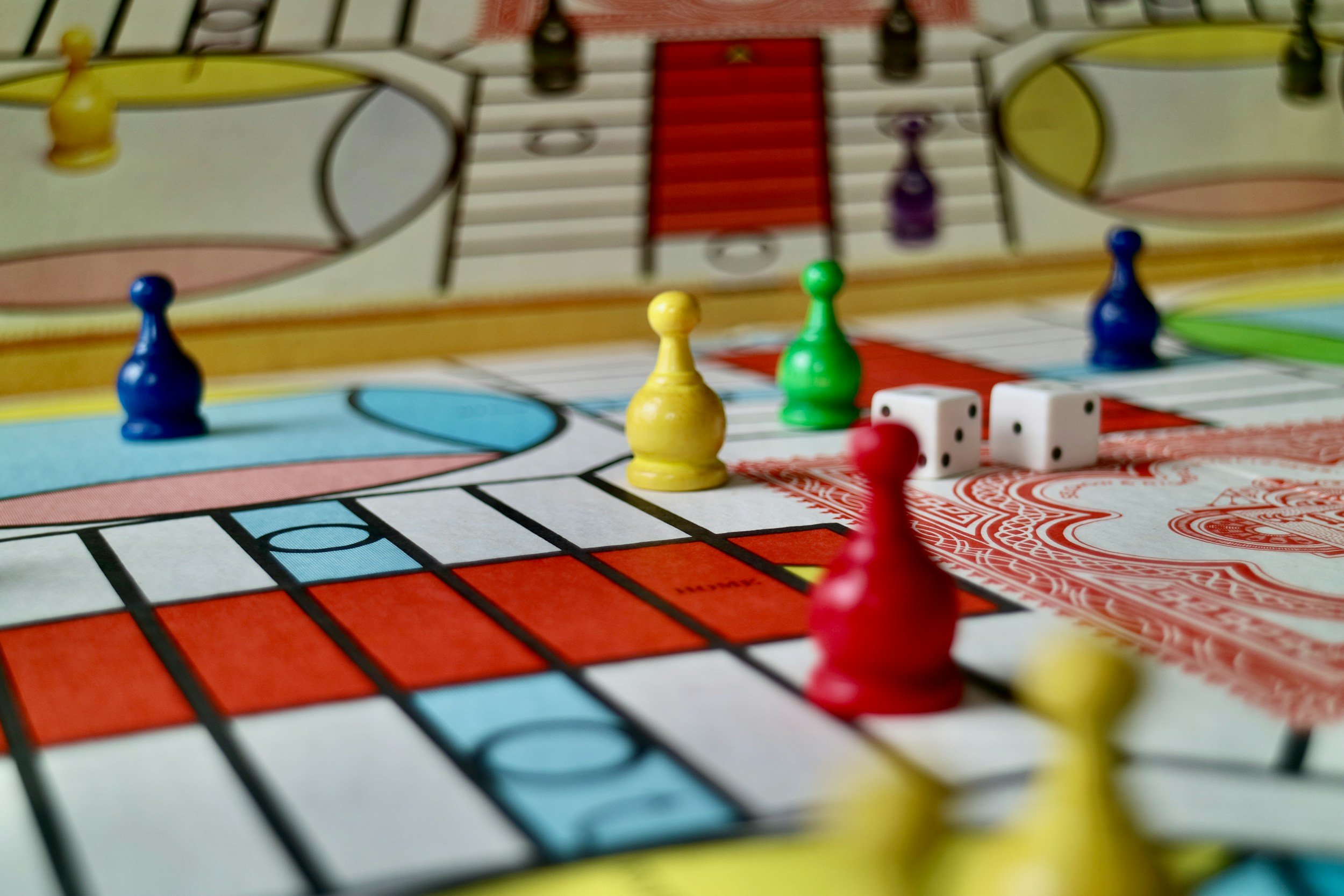
3. Play a Board Game
Board games are excellent tools for social learning.
Practice turn-taking and following rules
Discuss feelings around winning and losing
Model appropriate reactions to disappointment and excitement
Skills practiced: emotional regulation, sportsmanship, social responses
4. Pretend Play
Engage in pretend scenarios like a grocery store, doctor’s office, or restaurant.
Encourage your child to take on different roles
Model and practice conversational exchanges
Skills practiced: requesting, commenting, instructing, role flexibility, conversation flow

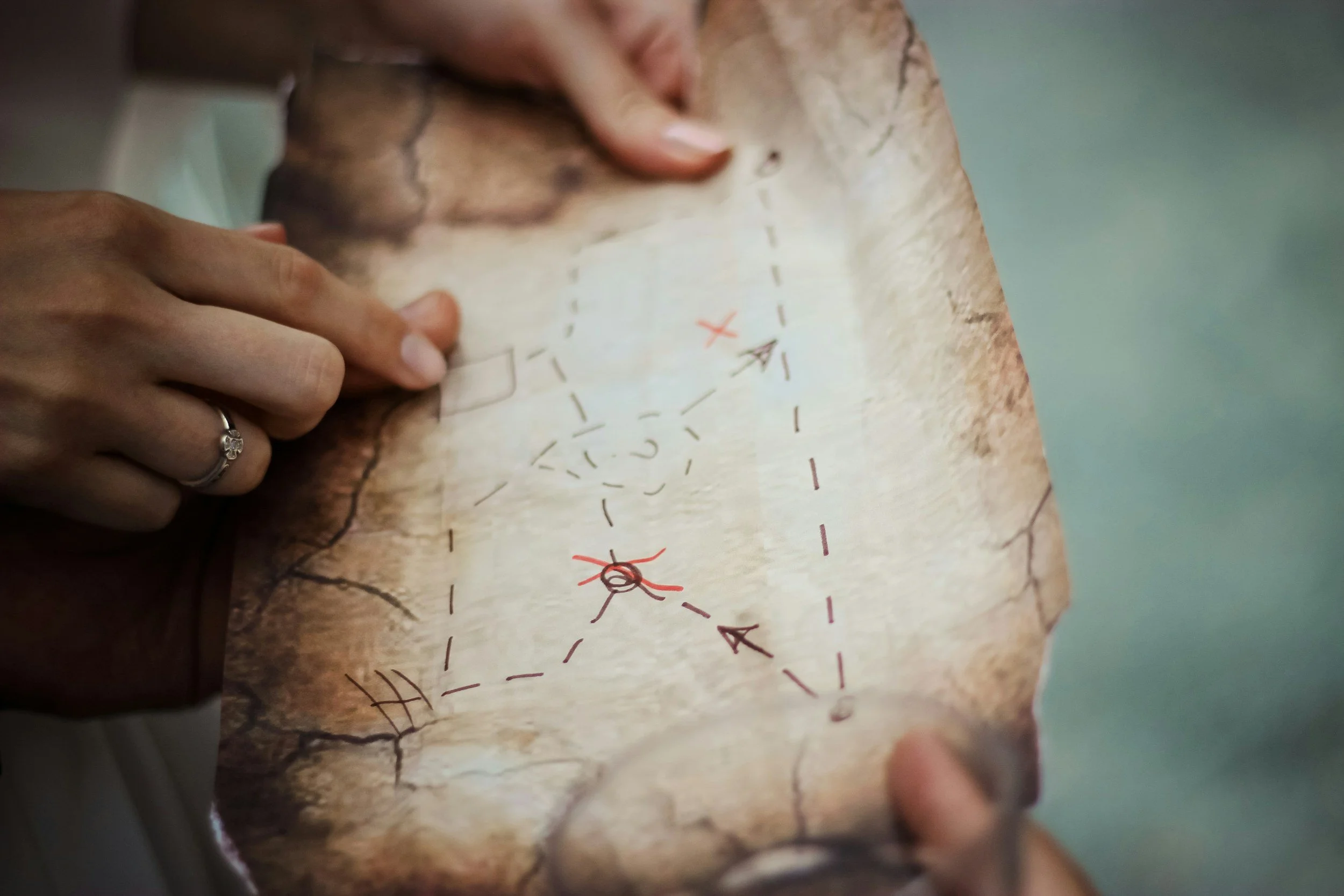
5. Go on a Scavenger Hunt
Create a scavenger hunt at home or in your neighborhood.
Work together to solve clues
Encourage your child to ask questions or request help
For an added challenge, have them ask unfamiliar conversation partners for information
Skills practiced: question-asking, self-advocacy, conversational skills with familiar and unfamiliar people
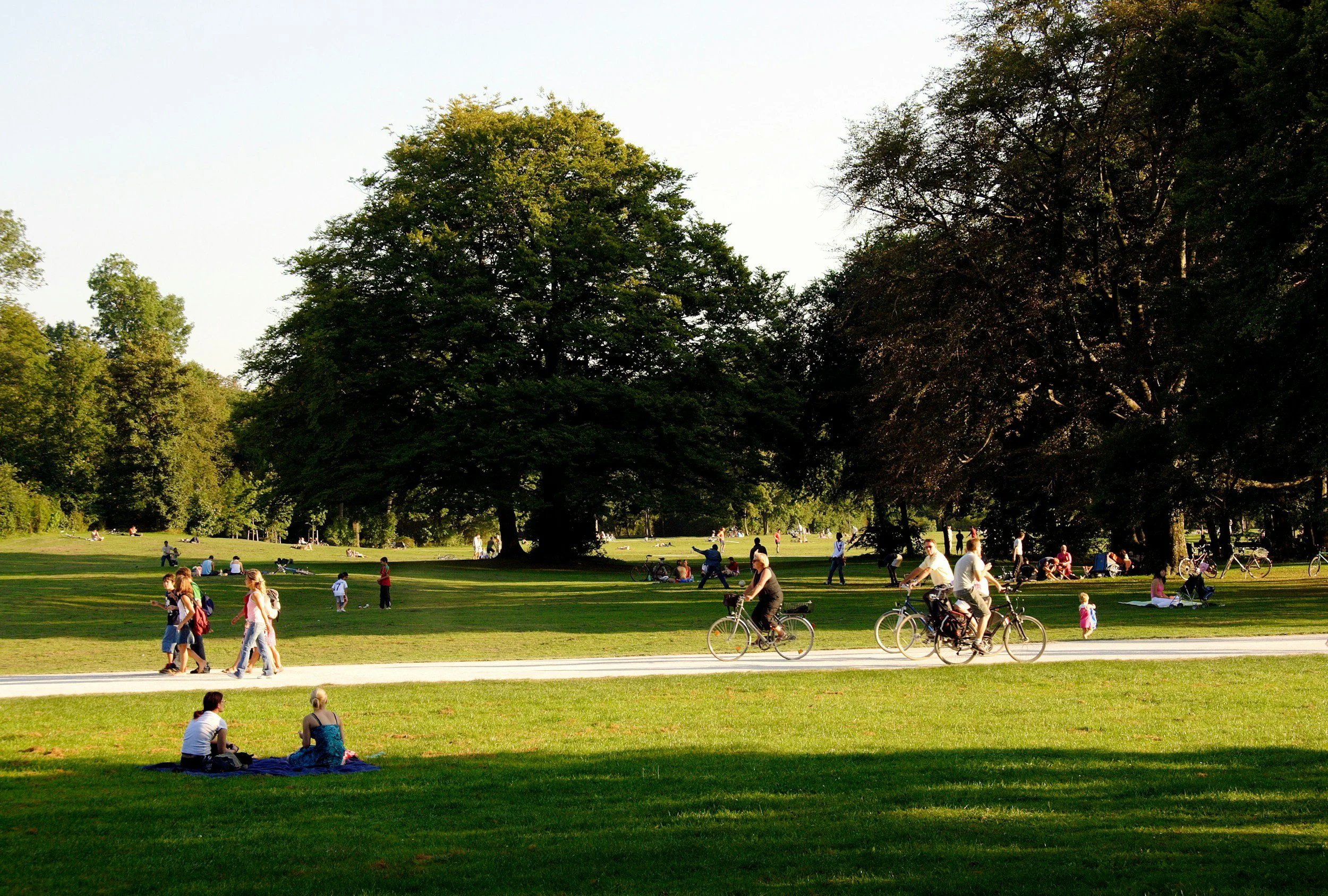
6. Go for a Walk in the Park
A simple walk can become a meaningful social learning opportunity.
Model greetings like “hello” or “good morning”
Encourage your child to greet others when comfortable
Practice small talk (weather, surroundings, shared activities)
Skills practiced: greetings, initiating conversations, social confidence
7. Attend a Community Event
Events such as farmers markets, outdoor movies, or group activities provide rich social experiences.
Prepare your child by discussing what they might see and who they might meet
Practice appropriate greetings and peer interactions
Skills practiced: peer interaction, flexibility, social initiation