

Core Strengthening for Kids: Simple, Play-Based Exercises for Better Posture
Sarah Layton MOT, OTR/L
Good core strength is one of the most important foundations for your child’s success in school, at home, and during play. As a pediatric occupational therapist, I often see children who struggle with handwriting, self-feeding, attention, and coordination. Many of these challenges trace back to the same place: the core.
In this post, we’ll explore why core strength matters, what it looks like when kids need more support, and easy, play-based exercises you can do at home to help your child build a stronger core and better posture—without turning it into a workout.
Why Core Strength Matters
Your child’s “core” includes the muscles of the abdomen, back, pelvis, and hips. These muscles provide postural stability so your child can sit upright, move efficiently, and coordinate their body during everyday tasks.
Core strength supports:
Posture
Handwriting
Attention
Coordination
Confidence in movement and everyday tasks
Signs Your Child May Need Core Strengthening
You might notice:
Poor posture
Slouching or leaning heavily on one hand or the table while writing
Difficulty sitting still without wiggling or shifting
Fatigue during fine-motor tasks
Difficulty completing fine-motor tasks such as handwriting, manipulating small objects, using scissors, or self-feeding.
Frequent falls or clumsiness
“W-sitting” is their preferred seated position. “W-sitting” is when your child sits on the floor with their knees bent and legs on either side of their hips, creating a “W” shape.
Avoidance of physical play that requires balance, strength, or coordination.
These signs are common, and the good news is that strengthening the core can be fun, simple, and woven into everyday play.

Play-Based Core Strengthening Activities for Home
1. Animal Walks: A fun way to build strength is by pretending to be animals. Make it more interactive by having a “zoo parade” or incorporating it into an obstacle course.
Bear Walk: Hands and feet on the ground, hips high in the air.
Crab Walk: Belly up, hands and feet on the floor.
Frog Jumps: Wide squats with leaps forward.

2. Plank Play: Planks help build postural endurance and stability. Have your child hold a plank on elbows or hands. Add toys to make it engaging:
Put puzzle pieces on one side and have them place the pieces in the puzzle between the plank holds.
Play “freeze plank” with music.
3. Statue Balance Games: Balance challenges activate deep core muscles. Freeze like a statue in different poses, such as standing on one leg or in a lunge position. Add levels:
Balance while tossing a balloon
Stand on a pillow
Freeze in different shapes (star, airplane, flamingo)

4. Tummy Time… Even for Big Kids: Tummy time isn’t just for babies! Tummy time strengthens the back extensor muscles, which are essential for maintaining upright posture. Have your child lie on their stomach to read, color, or play with toys. Encourage “Superman” lifts by bringing their arms and legs up off the floor.

5. Obstacle Course: Create an obstacle course that involves climbing, crawling, and balancing challenges. Below are some examples of how to make an obstacle course with everyday objects in your home.
Tunnel under tables or chairs
Balancing on a line made with masking tape
Throwing socks into a laundry basket while standing on a pillow
Step from pillow to pillow
Climb over couch cushions
Crawl through blanket forts
Walk while balancing something on your head
Bonus points if you incorporate those animal walks!
6. Wheelbarrow Walks: Hold your child’s legs while they walk forward on their hands. If difficult, hold them at the knees and gradually move toward the ankles. Race across the room, or do it as part of an obstacle course.
7. Yoga for Kids: Yoga builds flexibility, strength, and body awareness. Keep it playful by using animal names or telling a story as you move through the movements. There are a lot of great yoga flow YouTube videos and books. Check them out. Below are some great poses to try:
Boat Pose
Bridge
Cat/Cow
Downward Dog
Warrior II
Tree Pose

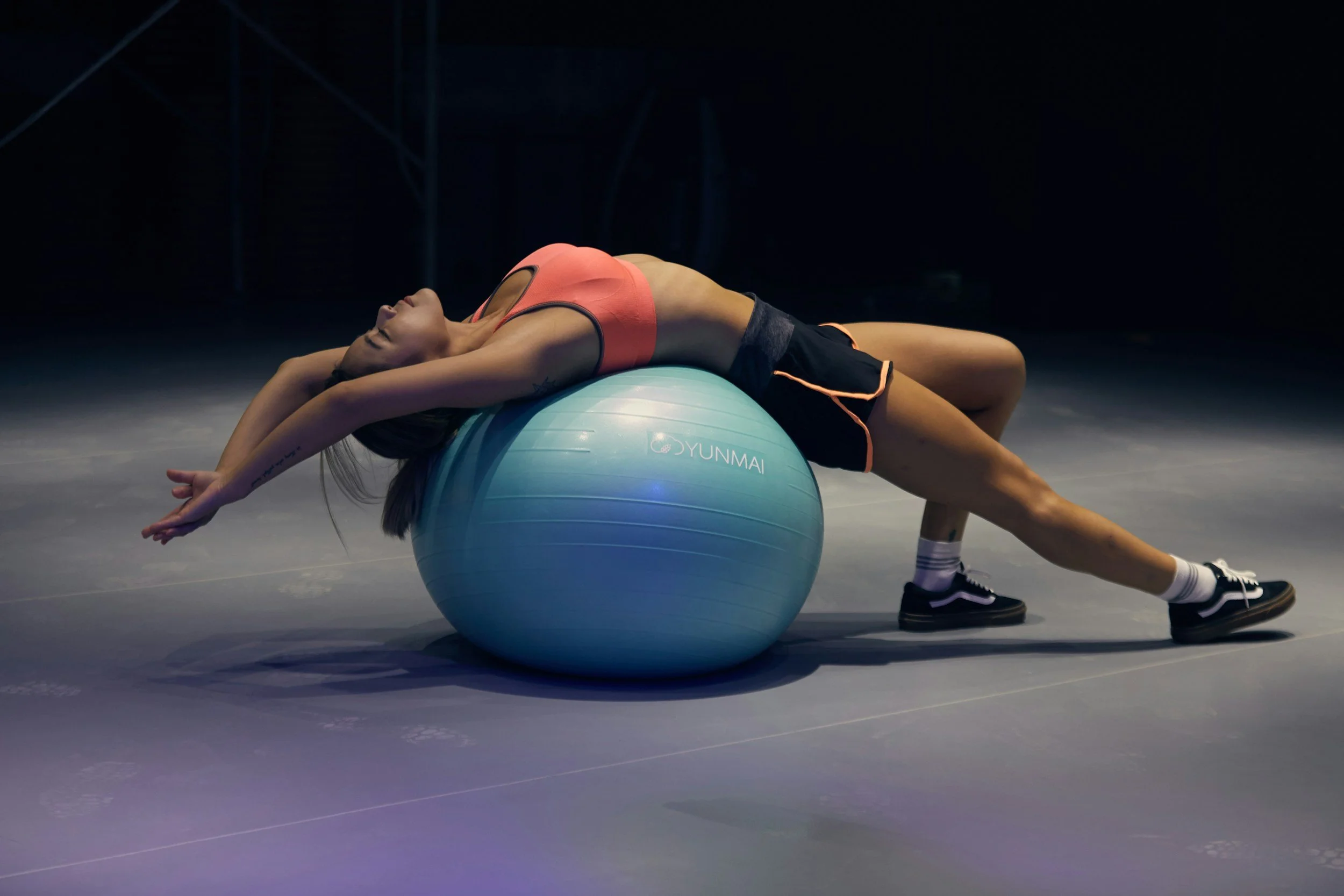
8. Play on a Yoga Ball: If you have a yoga ball, try:
Sitting and bouncing while keeping balance
Roll-outs: child places hands on the ball and rolls forward over the ball into a plank position
Lie on your tummy on the yoga ball while reaching for objects
Plank with your legs on a yoga ball and complete a puzzle
Tips to Make Core Strengthening Stick
Keep the activities short and fun. 5 to 10 minutes daily is enough.
Mix movement into your daily routines by doing animal walks to the bathroom or yoga before bedtime.
Let your child choose the activity; this can increase their motivation.
Use visuals or charts. Kids love checking off completed exercises.
Model the movements and engage with your child. Children learn best when you play with them. Plus, you will be creating meaningful memories together!
Final Thoughts
Developing strong core muscles is one of the best gifts you can give your child for lifelong learning, play, and confidence. Core strengthening doesn’t require equipment, long workouts, or rigid routines. It can be woven into joyful, everyday play.
If you’re noticing ongoing challenges with posture, handwriting, balance, fine motor skills, or endurance, a pediatric occupational therapy evaluation can help determine whether additional support is needed.