

Shaylee Ewing, OTD, OTR/L
The most common concern we hear in practice when it comes to challenges kids is “It’s always the transitions,” Moving from one activity to another—especially from a preferred activity to a non-preferred one—is one of the most common triggers for tantrums and meltdowns in children. I want to reassure you: tantrums during transitions are not a sign of “bad behavior.” They are often a sign of a nervous system that needs more support.
The good news? Two powerful, evidence-driven tools that can make a big impact—visual schedules and sensory supports—can make transitions smoother, calmer, and more predictable for everyone involved.

Why Transitions Are So Hard
Transitions require a lot from a child’s brain and body. They must:
Stop one activity (often abruptly)
Shift attention and expectations
Process what’s coming next
Regulate emotions and sensory input
Physically move to a new space or task
For children with sensory processing challenges, anxiety, ADHD, autism, or neurodivergence, this is a huge neurological load. Tantrums are often the outward expression of feeling overwhelmed, rushed, or out of control.
The Power of Visual Schedules
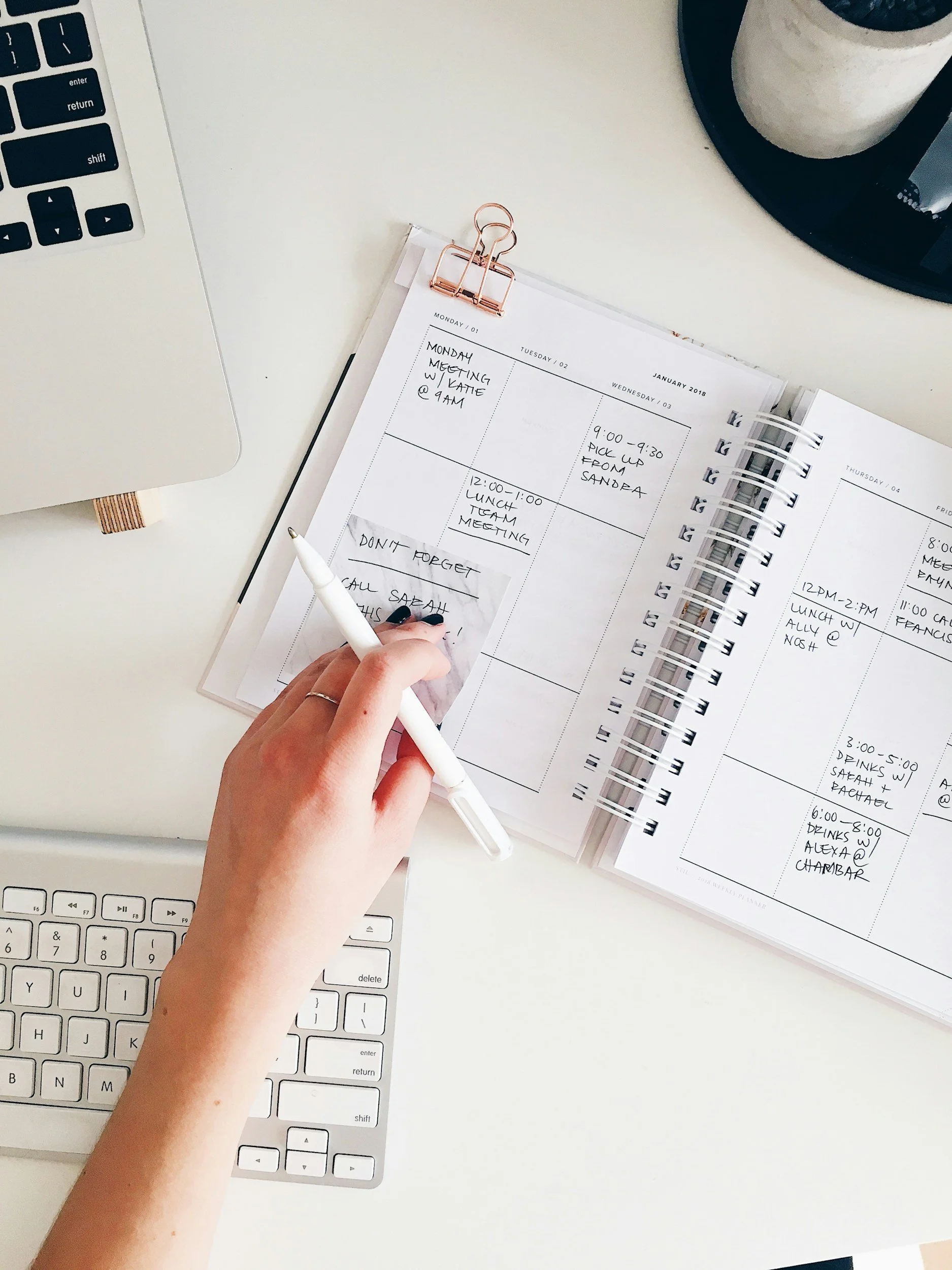
A visual schedule is exactly what it sounds like: a visual representation of what’s happening now and what’s coming next. It can be made with pictures, icons, photos, or words—whatever matches the child’s developmental needs or style of effective communication.
Why Visual Schedules Work
Research shows that children with special needs and neurodivergence benefit from visuals schedules by:
Reducing uncertainty and anxiety
Externalizing time and expectations
Decreasing reliance on verbal prompts (which can overload the auditory system)
Give children a sense of control and predictability
When a child can see the plan, they don’t have to constantly wonder or worry about what’s next.

How to Use a Visual Schedule Effectively
Keep it simple. Start with just 2–4 steps (e.g., Play → Clean Up → Snack).
Use consistent language. Pair visuals with the same short phrase each time: “First play, then snack.”
Reference it often. Don’t just hang it on the wall—walk over, point to it, and talk about it.
Let the child interact with it. Removing a picture or checking off an activity can be very regulating.
Get creative: laminate your schedule so your child can use a dry erase marker to cross off each item, get preferred characters involved, have your child help design it for more interest
Pro tip: Visual schedules aren’t just for the whole day. Mini-schedules for challenging routines (bedtime, leaving the house, homework) are often the most effective.
Examples Of Simplified Visual Schedules
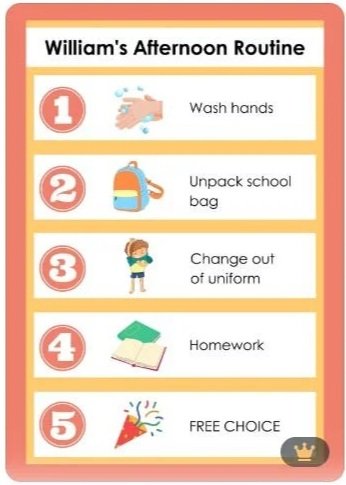
Simplified daily routine:
Notice that in this example there is a numbered aspect, a visual component, and a description to best identify what is to be expected.
Pro tip:
Laminate for ease of reuse
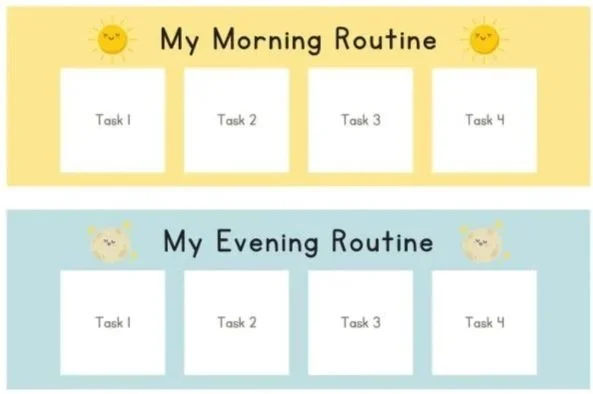
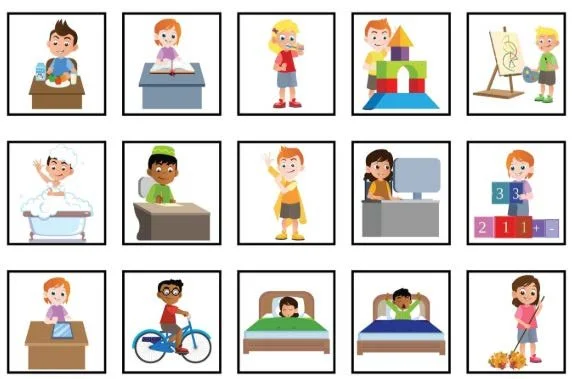
Simplified schedule: Visuals only:
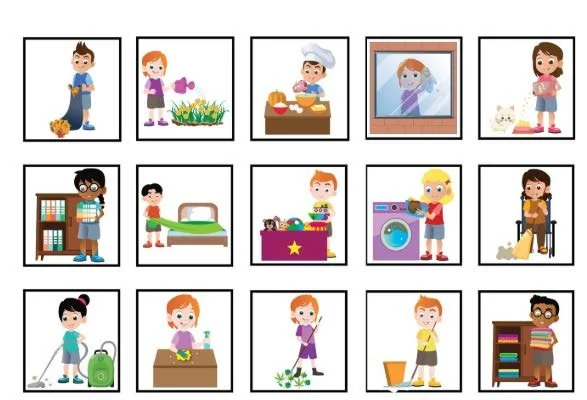
This schedule can provide your child more autonomy in creating their own schedule, provide your child a 4 visual tasks and allow them to select the order.
Pro tip:
Let AI or Canva help make clip art look more like your child
Technology Can Help!
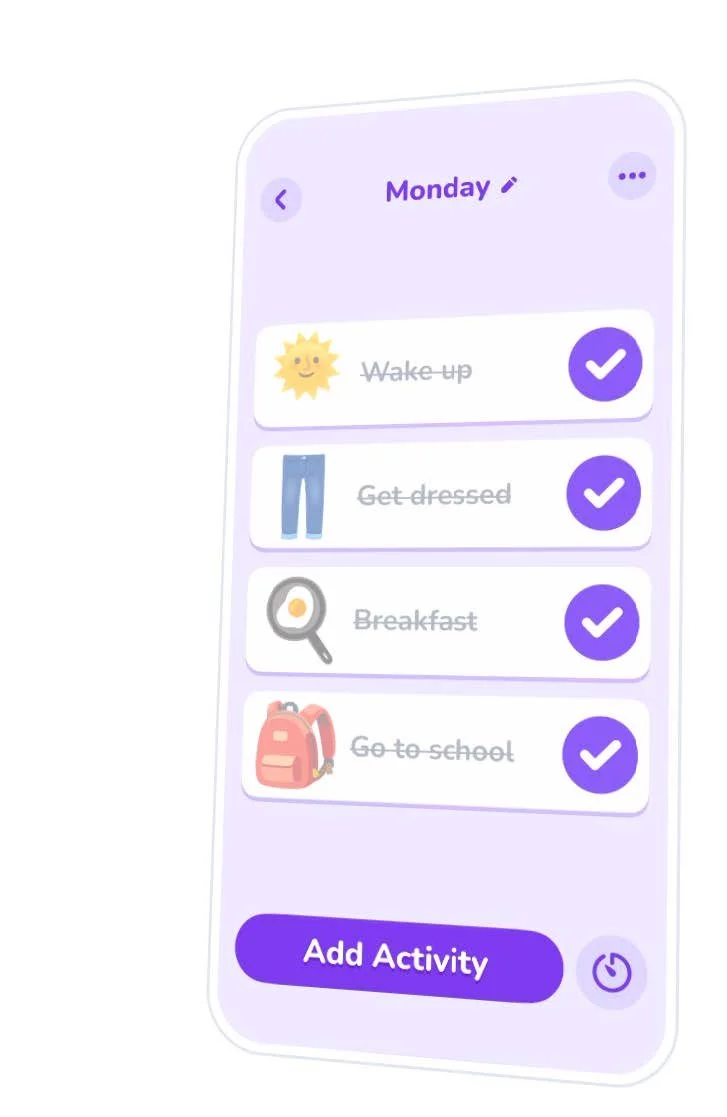
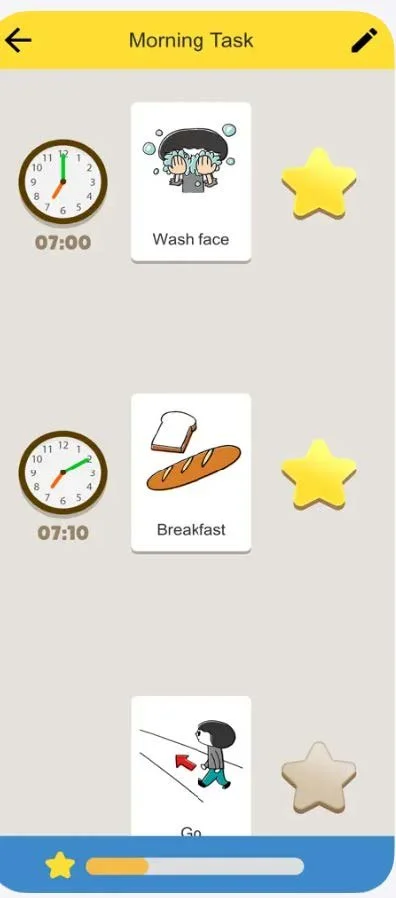
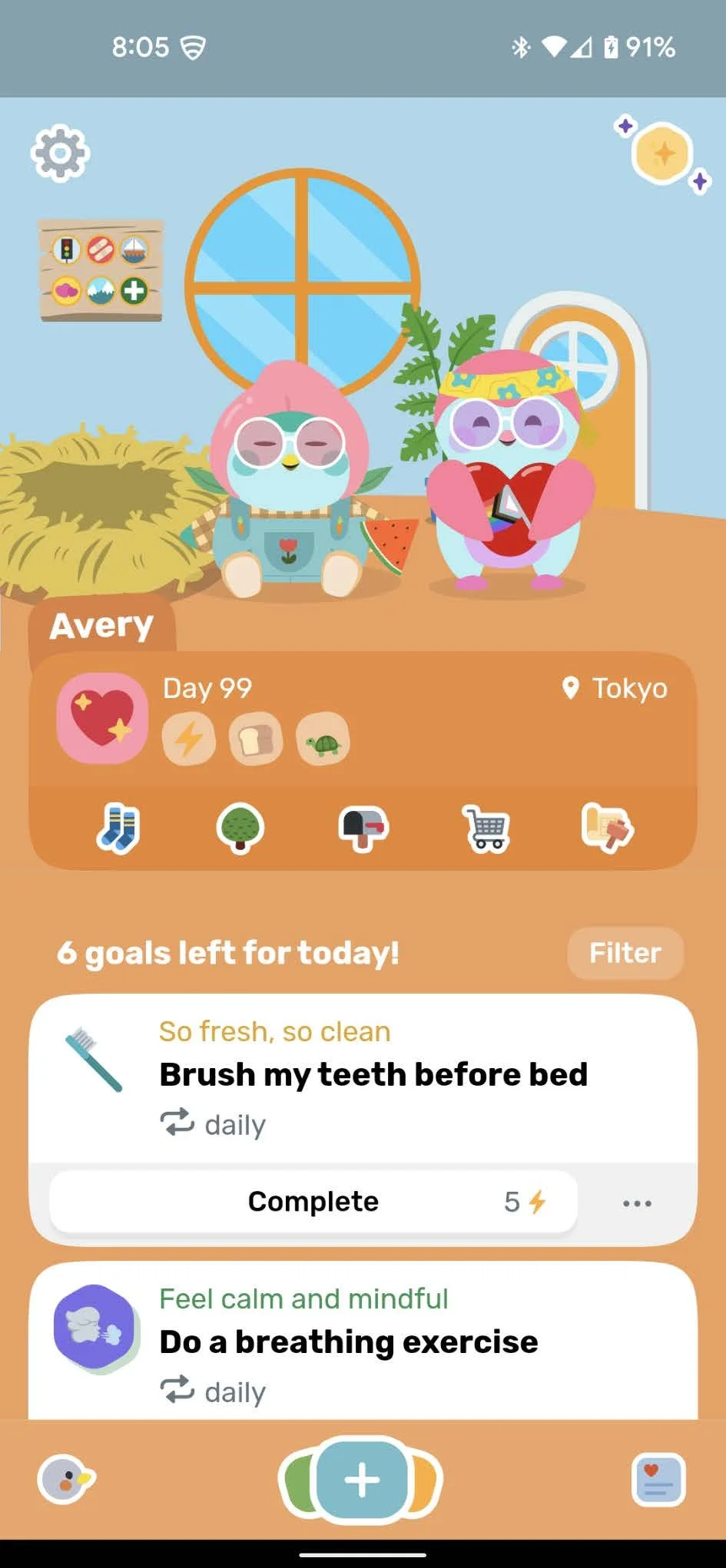
For our older kids, technology is everything. Let apps help guide your child through their routines. There are many options out there, here are a few that have worked great with some of my kids:
Finch
Lil Planner
Kids ToDo List
Sensory Tools: Supporting the Nervous System
While visual schedules support the cognitive side of transitions, sensory tools support the body. A regulated body is far more capable of a regulated transition. If a child already has challenges with regulating and sensory processing, nervous system will quickly go into fight or flight mode when unexpected changes occur.
Common Sensory Triggers During Transistions
Sudden movement or stopping
Noise changes
Loss of deep pressure or movement, or temperature changes
Increased demands on posture, attention, or social interaction
Sensory tools help meet these needs proactively rather than reactively.
Sensory Tools That Help with Transitions
Here are a few OT-approved options:
Heavy work: Wall push-ups, carrying groceries, animal walks, pushing laundry basket down the hall
Deep pressure: Weighted lap pads, tight hugs (with consent), compression clothing
Movement: Jumping, swinging, spinning briefly before transitioning
Oral sensory input: Chewy necklaces, crunchy snacks, blowing bubbles
Calming tools: Fidget toys, visual timers, noise-reducing headphones
The key is timing. Sensory input works best before and during transitions—not after a meltdown has already started.
Putting It All Together: A Transition Routine
Let’s look at an example—transitioning from playtime to dinner.
1. Preview the transition “In five minutes, play is all done. Then it’s dinner.” (Point to the visual schedule.)
2. Add a sensory bridge Have the child do 10 jumps or push a laundry basket before cleanup.
3. Use the visual schedule “First clean up, then dinner.” Let the child remove the “play” picture.
4. Offer a regulating tool A fidget, chewy, or calming object to carry to the table.
This combination addresses both the mind and the body, which is where true regulation happens.
A Final Word
Tantrums are communication. When we shift our focus from “stopping the behavior” to “supporting the transition,” everything changes. Visual schedules and sensory tools don’t just reduce meltdowns—they build independence, confidence, and trust.
Remember: smooth transitions are a skill, not a personality trait. And like any skill, they can be taught, practiced, and supported—one calm transition at a time.