

A Guide to Help With Daily Living Skills including Sensory Challenges:
Aarone Cefalo OTD, OTR/L

As a pediatric Occupational Therapist (OT), one of the most rewarding parts of my job is helping children gain independence in their Activities of Daily Living (ADLs)—the everyday tasks we call self-care skills. These aren't just chores; they're the building blocks for confidence, self-esteem, and a successful future!
I often see that difficulties with self-care skills—the Activities of Daily Living (ADLs)—are not just about poor coordination. For many children, the root of the struggle lies in sensory processing. Tasks like teeth brushing, hair combing, or managing sticky foods can be overwhelming, painful, or confusing due to sensitivities to touch, sound, smell, or movement.
The great news is that integrating sensory-friendly tools can transform these challenging routines into successful, positive experiences, boosting your child's independence and confidence!
Self-care encompasses everything from feeding yourself and getting dressed to managing personal hygiene and regulating emotions. When a child struggles with these skills, it often points to challenges with underlying components like fine motor skills, coordination, sequencing, or sensory processing. The good news? We can work on them in fun, playful ways!

Typical Self-Care Development (0–18 Years)
**Development is a spectrum, and every child moves at their own pace. This chart provides general milestones, but if you have concerns, an OT evaluation can help pinpoint specific challenges.**
Infancy (0-1yr)
Accepts care from adults, cooperates with dressing (lifts arms/legs), eats purees, begins finger-feeding, holds bottle/cup with help.

Toddler (1-3yrs)
Removes socks/shoes, helps pull down pants, feeds self with a spoon (with some spilling), drinks from an open cup, indicates soiled/wet diaper.

Preschool (3-5 yrs)
Undresses independently, puts on pullover shirt (may be backward), manages large buttons/easy zippers, daytime toilet independent (may need help wiping), washes and dries hands.

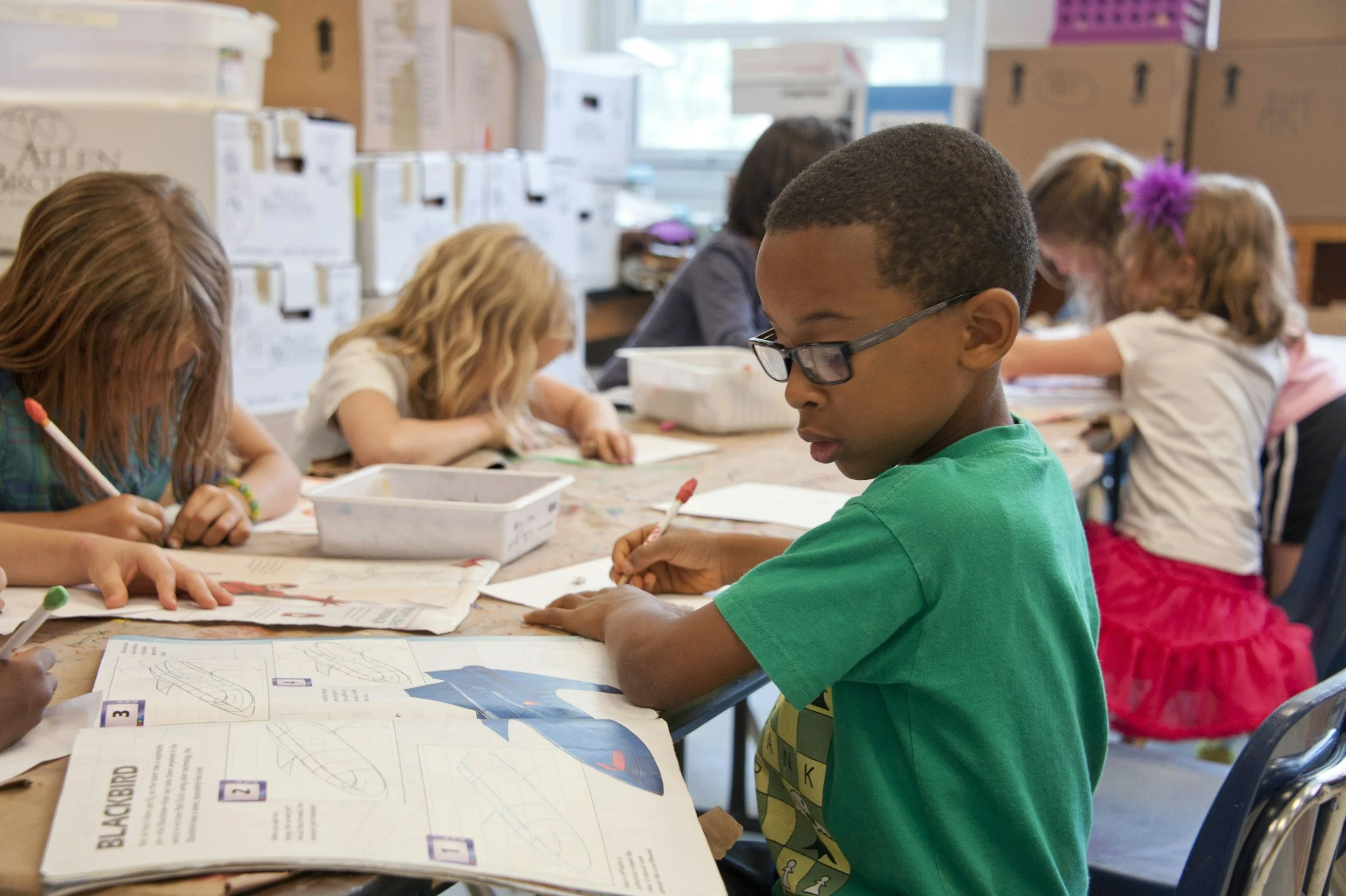
School Age (6-12yrs)
Dresses completely independently (including tying shoes), bathes/showers self (needs supervision for safety/quality), brushes teeth without prompting, prepares simple meals (cereal, sandwich), manages personal belongings.
Adolescence (13-18yrs)
Fully independent in all personal hygiene/grooming, manages complex tasks like laundry and basic meal prep, begins budgeting for and shopping for personal items, takes responsibility for personal health maintenance.

Fun Activities to Build Self-Care Skills
Here are some play-based activities to help your child develop the foundational skills needed for independence.
Dressing & Fasteners (Fine Motor & Coordination)
● Practice Boards/Dolls: Use a busy board with zippers, buttons, snaps, and laces. Or, play dress-up with dolls or stuffed animals. This takes the pressure off dressing themselves.
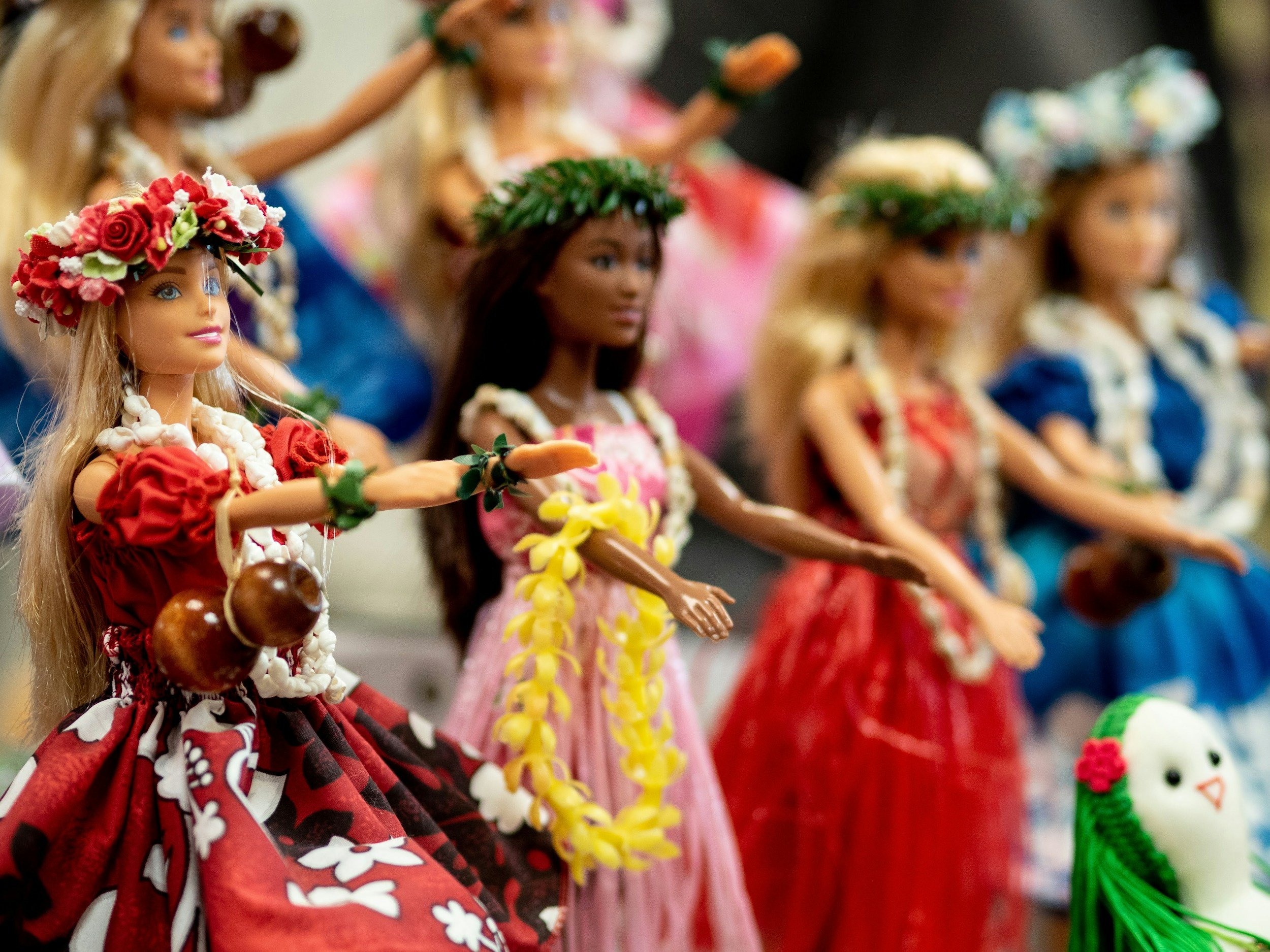
● "Obstacle Course" Dressing: Lay out clothes in order and have your child collect each item by completing a simple movement (e.g., hop to socks, crawl to shirt) before putting it on.

● Wacky Clothes Day: Encourage them to put clothes on a giant teddy bear or wear their clothes backward or inside out—it’s silly, fun practice!

Feeding & Utensils (Hand Strength & Motor Control)
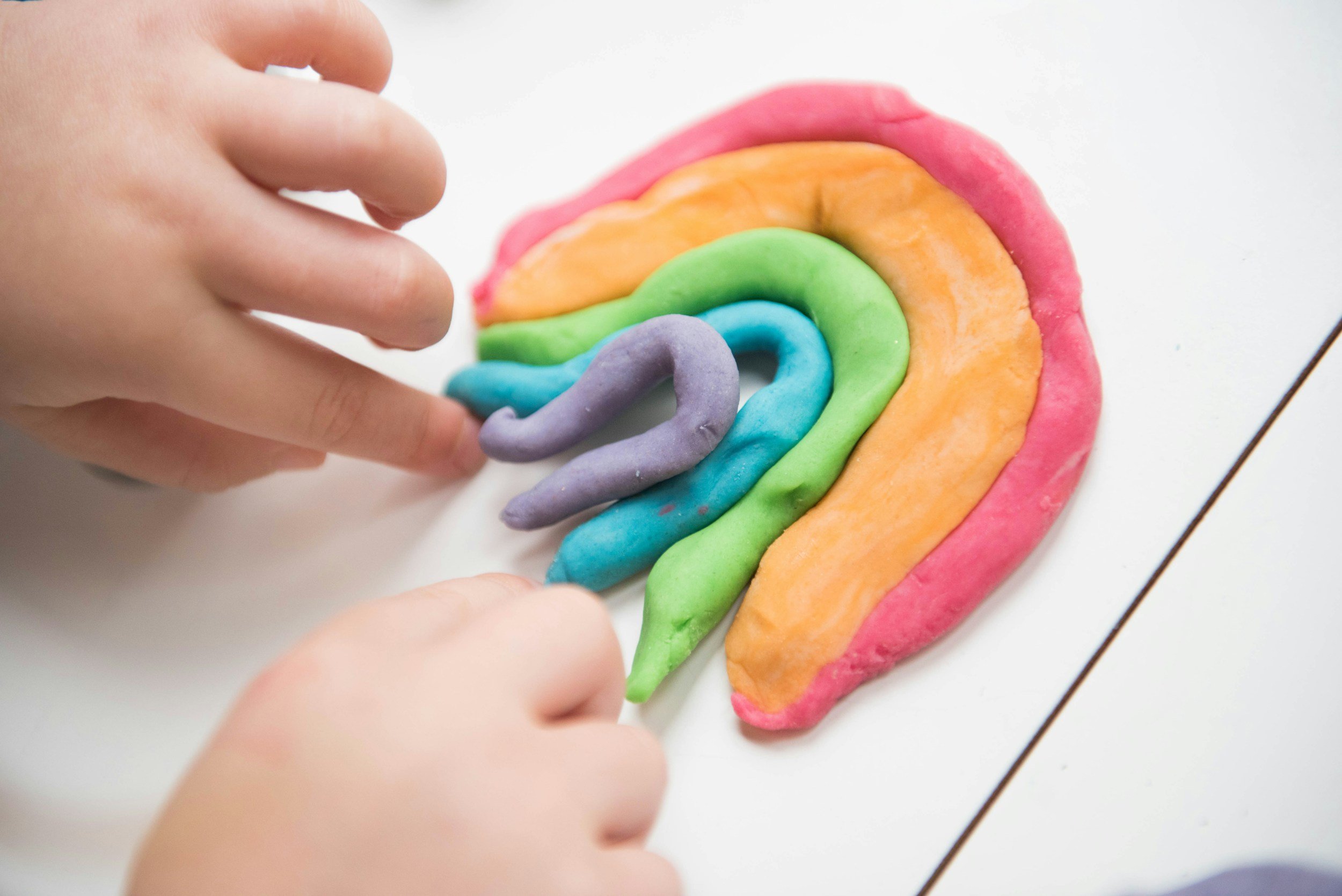
● Play Dough Kitchen: Use play dough and safe plastic knives/forks to practice cutting and scooping. This builds the hand strength and precision needed for real food.
● Tong and Tweezers Games: Use kitchen tongs or large tweezers to pick up small snacks (like raisins or Cheerios) and place them in a small bowl. This strengthens the pincer grasp needed for holding utensils.
● "Chef's Helper": Involve them in simple meal prep: stirring batter, tearing lettuce for a salad, or spreading jam on toast.

Hygiene & Grooming (Sequencing & Sensory Tolerance)
● Toothbrush Painting: Let them "paint" a piece of paper in the sink with a toothbrush and paint/food coloring. This helps them get used to the vibration and texture of the brush.
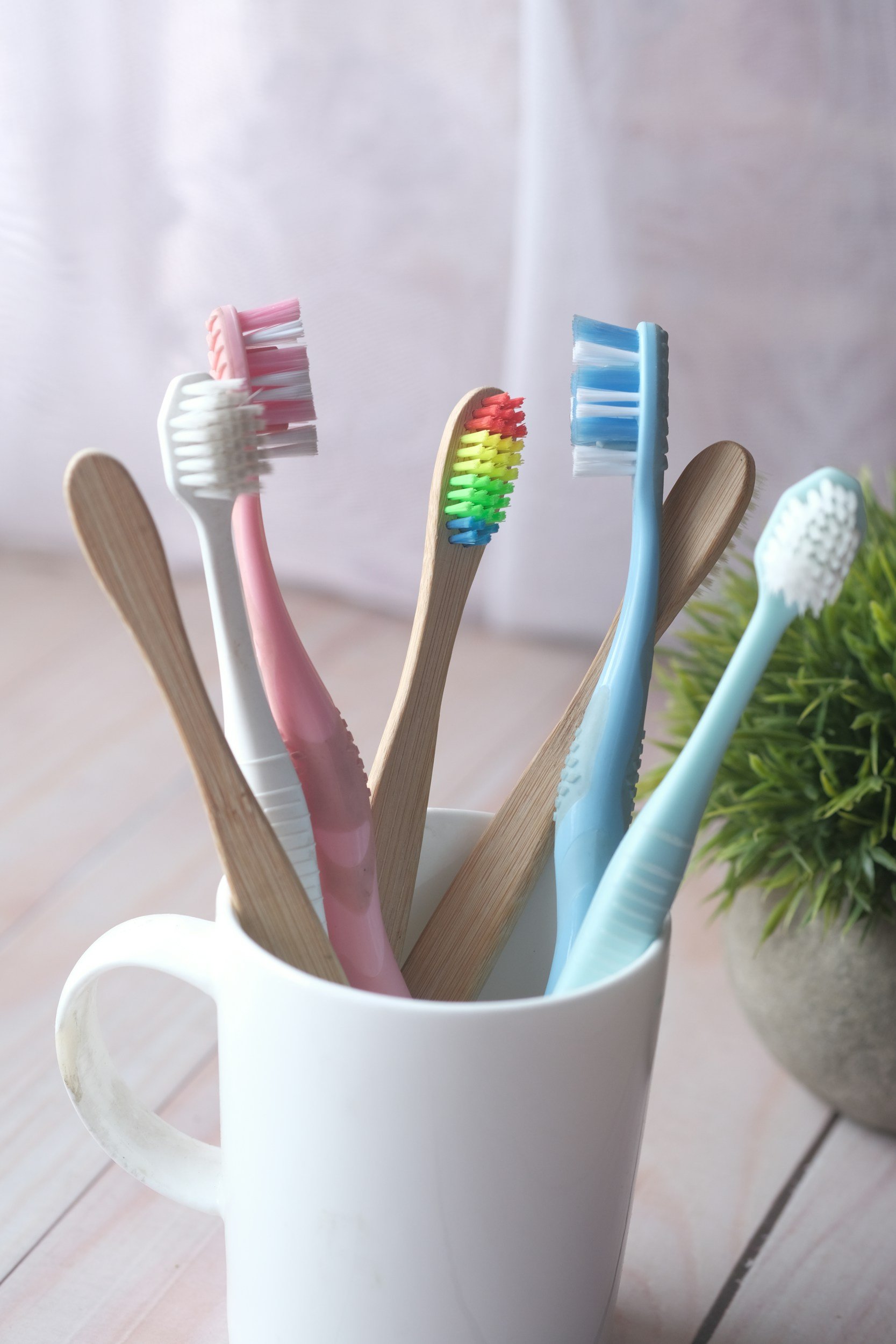
● Visual Schedules: Create a simple visual chart (pictures or drawings) of the steps for handwashing, teeth brushing, or bedtime routines. They can check off or move a picture once a step is done.
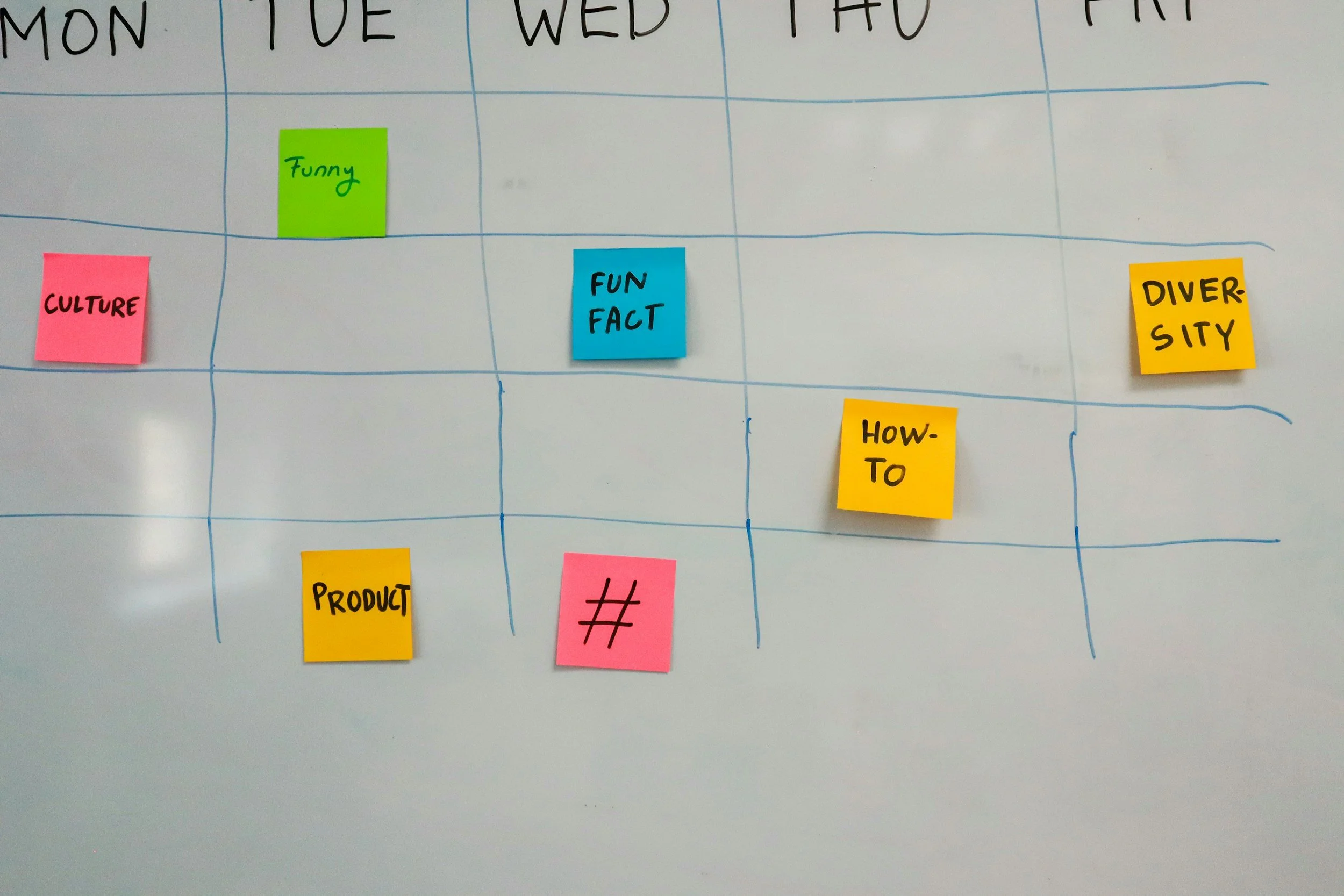
● Mirror, Mirror: Have them practice brushing their hair or teeth in front of a mirror to work on body awareness and seeing what their hands are doing.

Sensory-Friendly Tools for Challenging Tasks
If you notice meltdowns, avoidance, or distress during specific self-care tasks, a sensory issue may be at play. Here are specific tools an OT might recommend:
Teeth Brushing (Oral Sensory & Proprioception)
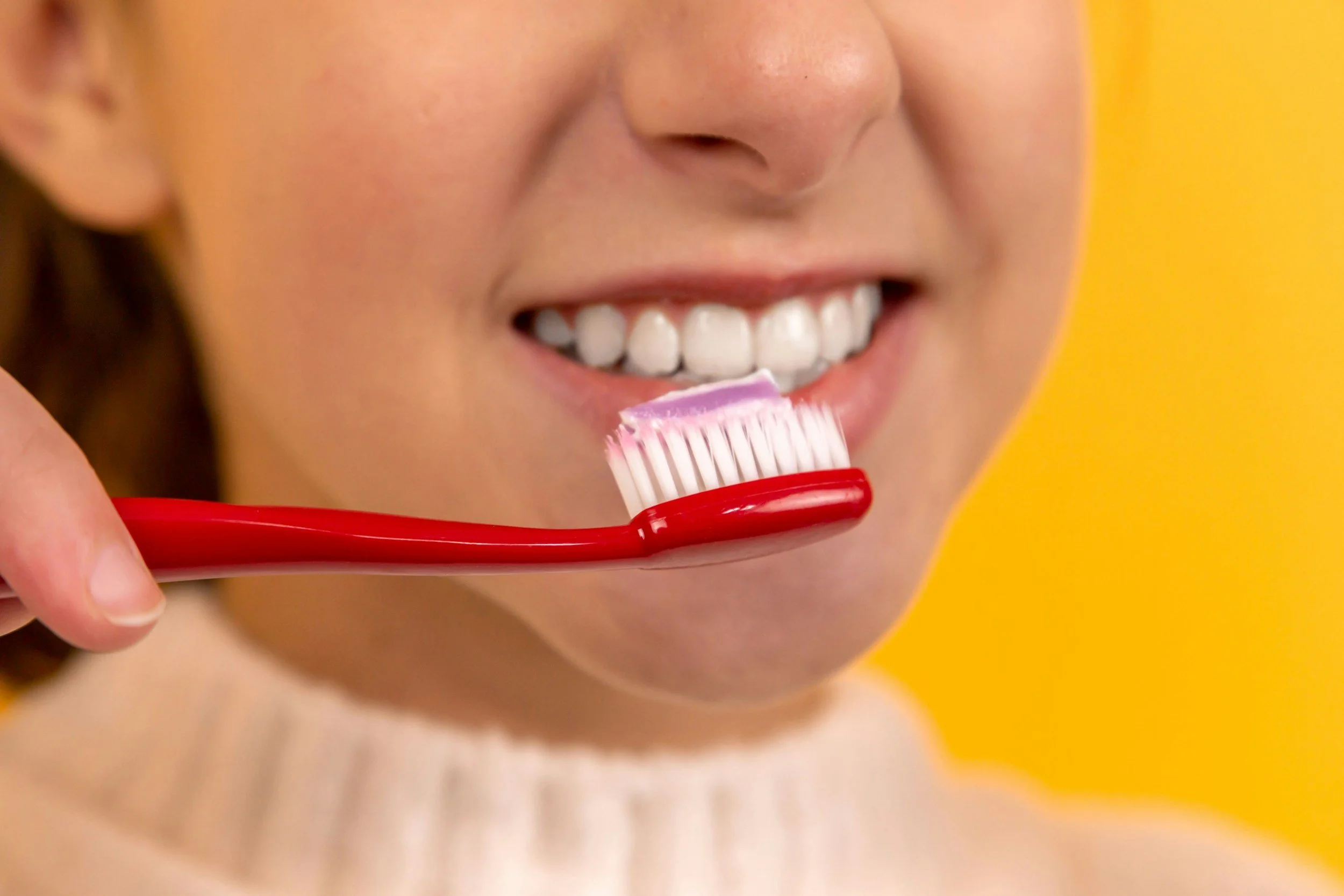
● Vibrating Toothbrush: For children who are under-sensitive (seek intense input), the vibration provides strong, regulated input to the gums. For those who are over-sensitive, the constant vibration can sometimes replace the startling, unpredictable input of manual brushing.
● Unflavored or Mildly Flavored Toothpaste: Strong mint can be overwhelming. Try non-foaming (SLS-free) paste or simple, mild fruit flavors designed for sensitive mouths.
● Weighted/Built-Up Handles: A handle with added weight or thickness (like a foam grip) provides better proprioceptive input (awareness of the hand's position), improving motor control and reducing the perceived effort of the task.
Hair Washing & Combing (Tactile & Auditory Sensitivity)
● Tangle-Taming Brush: A brush with flexible, widely-spaced bristles (like a Wet Brush or similar detangling brush) minimizes the painful tugging that triggers tactile defensiveness.
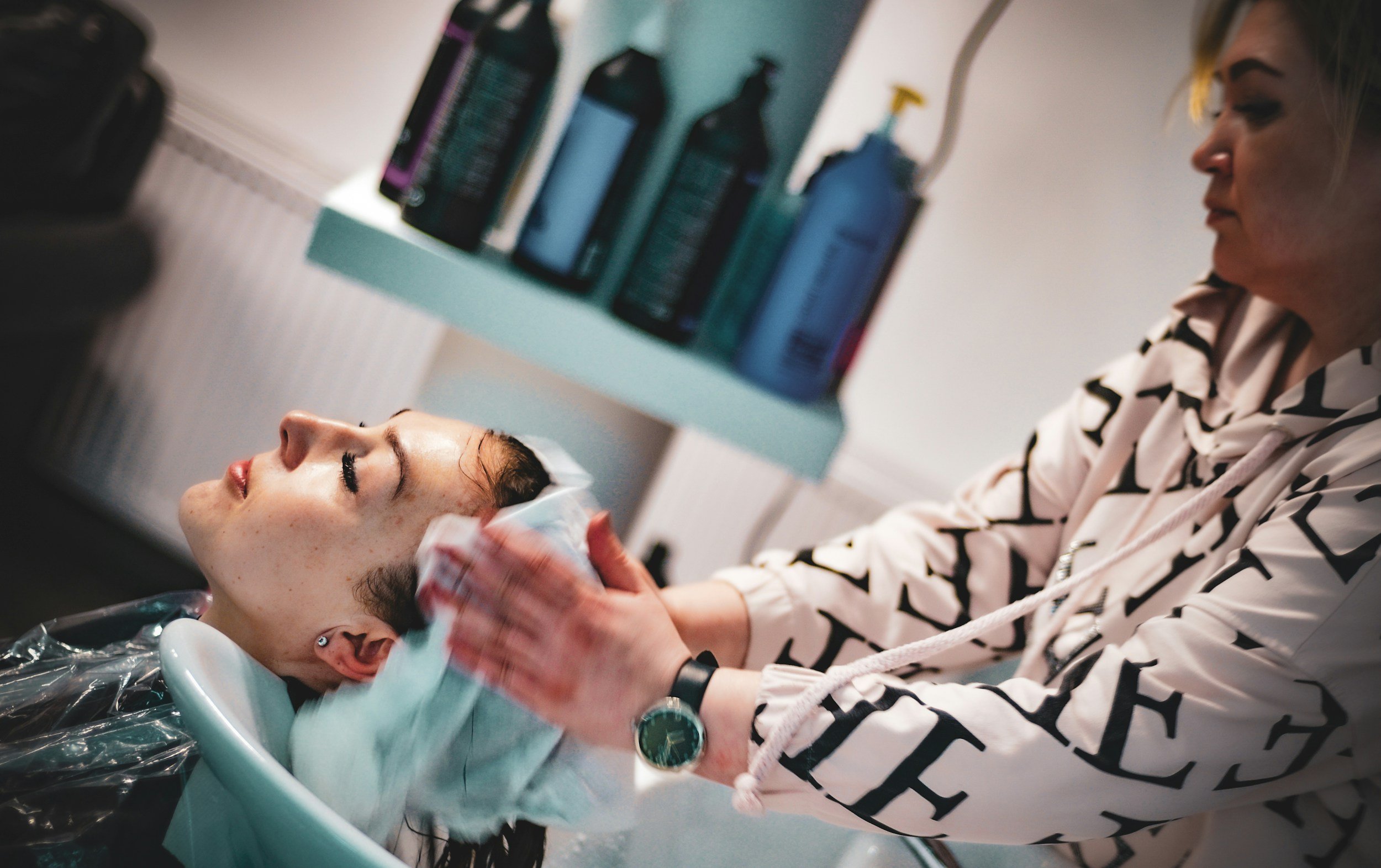
● Shampoo Visor/Shield: For children sensitive to water dripping on their face, a foam or plastic visor worn on the forehead prevents water from running down, reducing anxiety about the task.
● Waterproof Ear Plugs or Earmuffs: If the sound of the shower or running water is distressing (auditory sensitivity), a simple pair of ear protection can significantly calm the environment.
Dressing (Tactile & Proprioception)
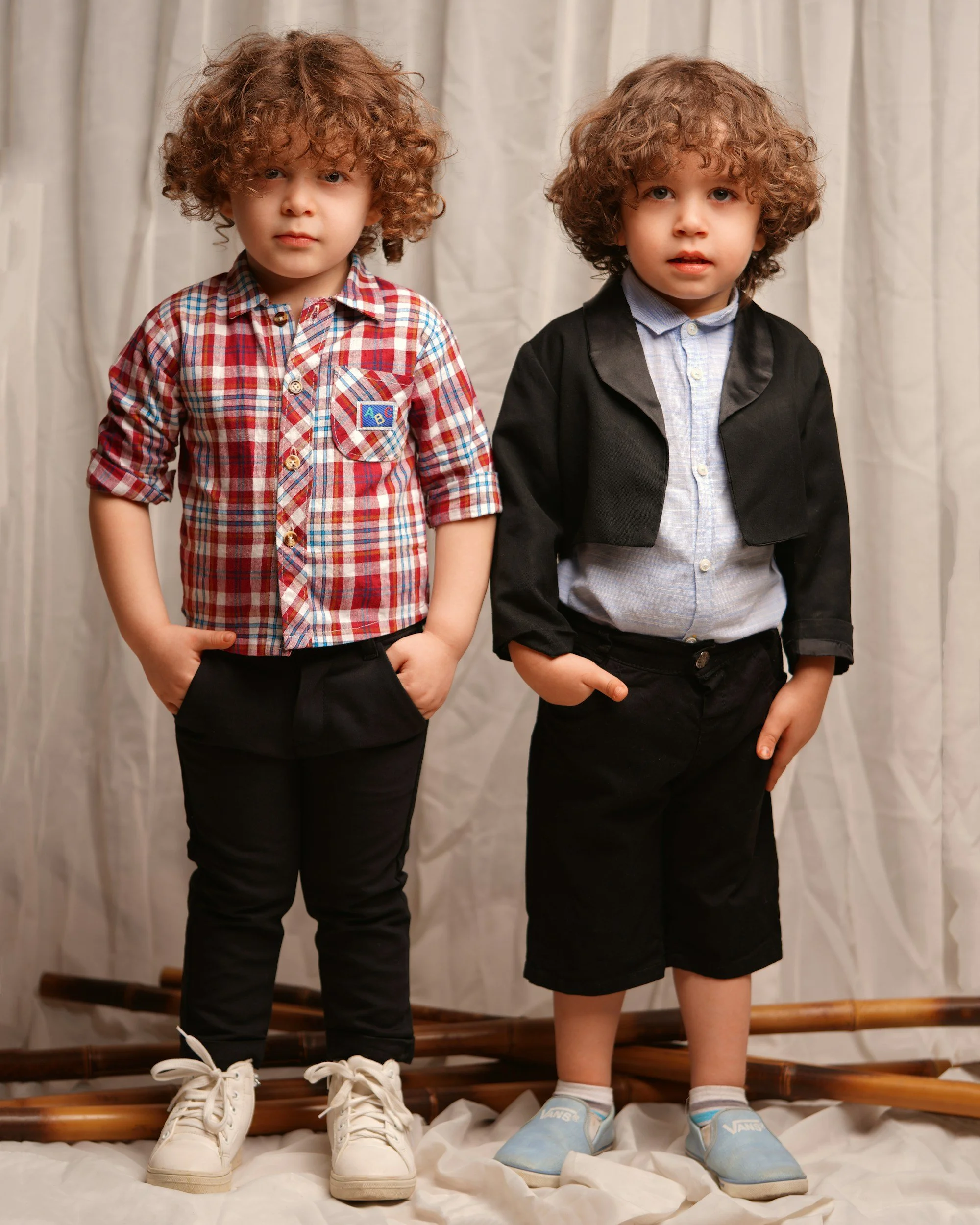
● Seamless Socks: The seam on regular socks is a common source of intense distress for children with tactile defensiveness. Seamless or "inverted toe" socks are a game-changer.
● Compression Clothing: Snug-fitting undershirts, or layered, heavy cotton clothing provide deep pressure input (proprioception), which is calming and helps the child feel more aware of their body in space.
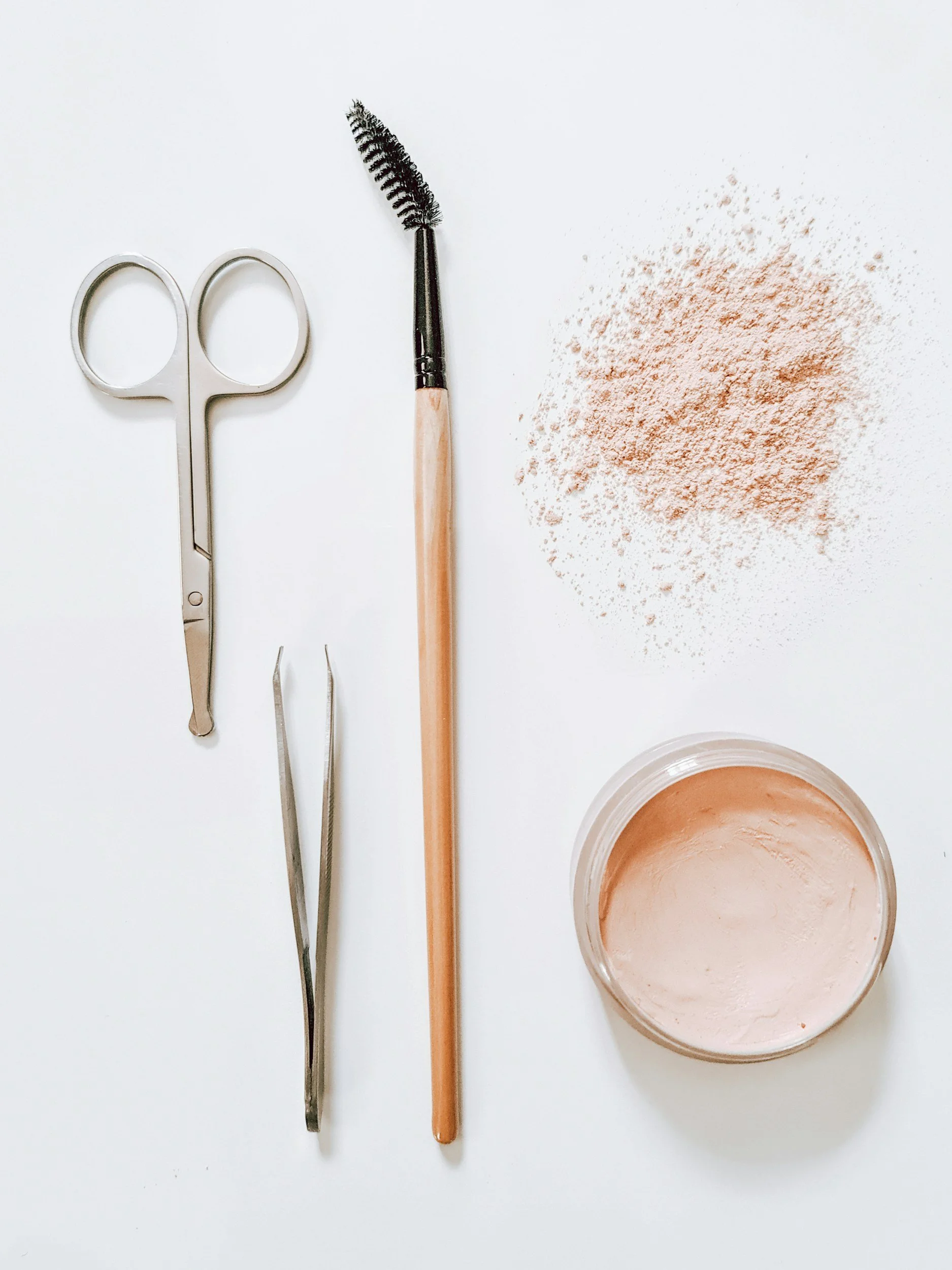
● "Inside-Out" Tags: If clothing tags are intolerable, use a simple pair of scissors to cut them out, or purchase clothing specifically designed to be tag-free.
Fun Activities to Build Underlying Skills
We still need to build the foundational skills!
● Proprioceptive Prep: Before a sensory-challenging task (like brushing teeth), provide 5 minutes of calming, heavy work. Have your child do wall pushes, jump on a mini-trampoline, or carry a laundry basket. This "organizes" their sensory system for the fine motor work ahead.
● The "Dress-Up Race": Turn getting dressed into a fun race. To work on sequencing, spread the clothing items across the room and have them gather and put on each item in order.
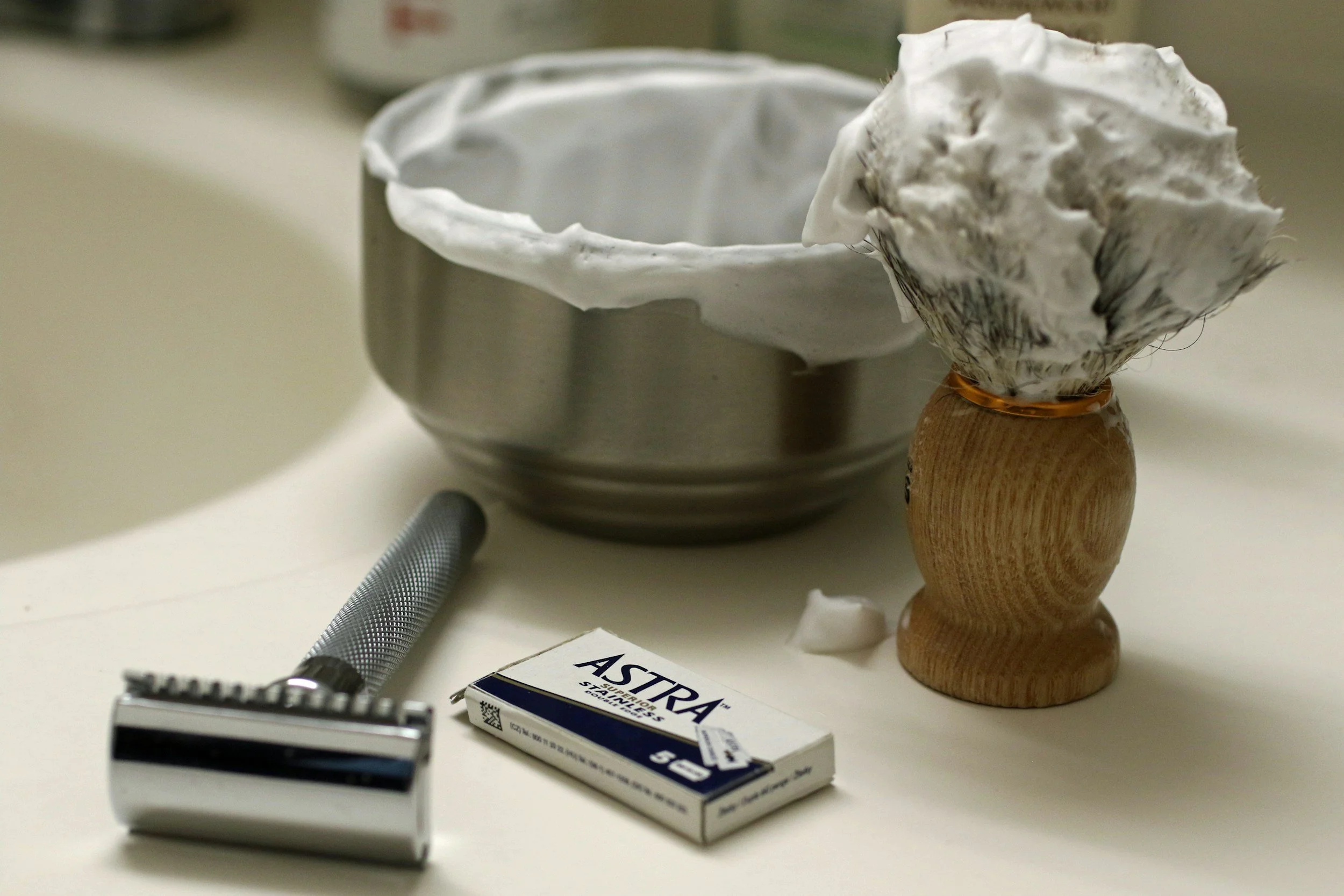
● Shaving Cream Play: Spread shaving cream on the bathroom counter and have them "wash" their hands in it. This tactile exploration can help desensitize the hands and make tasks like washing and drying less aversive.
Parent Coaching: Your Role as the Super-Coach
1. Introduce Novelty Gradually: If you introduce a new toothbrush, let them play with it first (look, feel, smell) outside of the brushing routine. Offer it as a toy for a day before asking them to use it.
2. Prioritize the "Just Right" Input: Use sensory tools not just to reduce negative input, but also to increase positive input (e.g., using heavy bath towels, vibrating brushes) to help them meet their sensory needs.
3. Use Visuals for Sequencing: A laminated Visual Schedule with pictures for the steps is excellent for children who struggle with memory and task execution.
4. Embrace Forward Chaining: Teach the skill by starting with the first step. You help with all subsequent steps until they master the first. Once they master step one, they move on to step two, and so on. This builds confidence from the start.
5. Break it Down (Task Analysis): Instead of saying "Go brush your teeth," break it into small steps: 1) Get toothbrush, 2) Get paste, 3) Wet brush, 4) Brush top teeth, etc. Only offer help with the step they can't do. This is called backward chaining—you do all steps except the last one, and your child practices the final, successful step. Then, move to the last two steps, and so on.
6. Make Time for Practice: Avoid rushing! Trying to get dressed five minutes before the bus arrives guarantees frustration. Schedule in 15 extra minutes of "practice time" during low-stress periods.
7. Use Adaptive Tools: Modifications can make all the difference. Consider built-up handles on toothbrushes/utensils (easier to grasp), clothes with Velcro or magnetic snaps instead of buttons, or a sturdy step stool to reach the sink.
8. Offer Choices, Not Commands: Give your child a sense of control. "Do you want to brush your hair or your teeth first?" or "Do you want to wear the blue shirt or the red shirt?" This increases buy-in and cooperation.
9. Praise Effort, Not Perfection: Focus on what they did right. "I love how hard you worked to pull up those pants!" is more encouraging than "The zipper is still undone." Persistence is the true skill you're teaching.
10. Developing self-care skills is a journey of small steps, patience, and lots of celebratory high-fives. Remember, every time your child successfully completes a task independently, they're not just mastering a skill—they're building a foundation of self-confidence that lasts a lifetime.
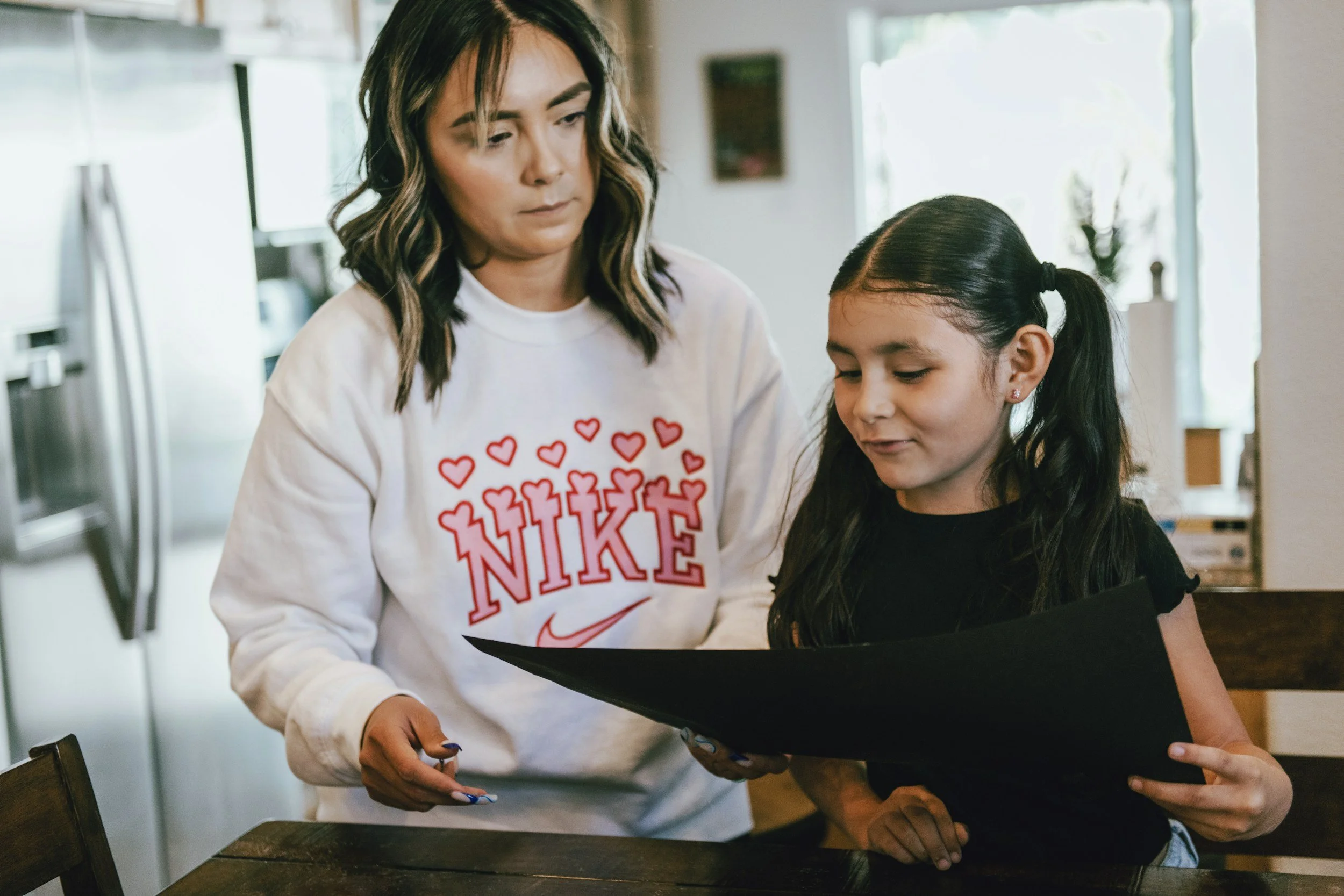
By understanding your child's sensory needs and offering the right tools and strategies, you are empowering them to achieve true independence in self-care.